Plants
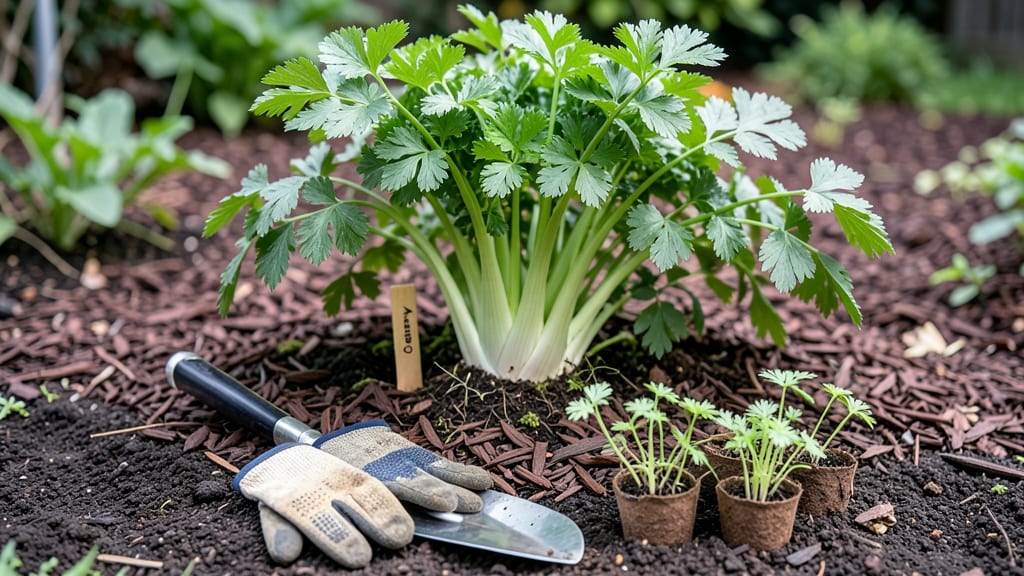
Planting celery in Louisiana requires precise timing to beat the heat and humidity—aim for late winter to early spring or fall for the best results.
If you’ve ever pulled a bolted, bitter celery stalk from your garden, you know timing is everything. Louisiana’s long growing season and high humidity can turn a crisp harvest into a sad, stringy mess if you miss the window.
This guide breaks down the exact frost-free timeline for your region, soil prep secrets, and how to stretch your harvest through summer’s swelter. With the right approach, you’ll grow celery that rivals the grocery store—without the price tag.
Learn how to pick the perfect transplant dates, avoid common pitfalls, and extend your season with shade cloth and succession planting. Your next crunchy, homegrown stalk is just a few weeks away.
Louisiana’s celery planting calendar: exact dates by region
Timing your celery crop in Louisiana is all about beating the heat and avoiding premature bolting. The state’s humid subtropical climate (USDA zones 8a-9b) creates distinct microclimates—from cooler North Louisiana to warmer South Louisiana.
Plant too early, and frost zaps seedlings; too late, and summer’s heat sends celery bolting before harvest. Let’s break down the optimal transplant windows for each region.
Celery thrives in cool seasons but wilts under 90°F+ temperatures. Louisiana’s last frost dates vary by region: Shreveport (North) averages March 15, while New Orleans (South) sees its last frost around February 15.
For fall crops, aim to transplant 8-10 weeks before first frost (early December in most areas).
Regional microclimates matter: Central Louisiana (Baton Rouge) sits in the middle, with a longer frost-free window than the North but hotter summers than the South. Shade cloth and succession planting become game-changers here. Let’s dive into the exact dates and backup plans for each region.
For North Louisiana, transplant celery seedlings between March 1–15 to capture the coolest spring months. If you miss this window, don’t panic—a late backup of March 16–31 still works, but monitor for heat stress by providing afternoon shade.
Use black plastic mulch to warm the soil faster and extend the season by 10–14 days.
Central Louisiana’s Baton Rouge area offers a slightly earlier start. Transplant February 28–March 15 for spring crops, but be ready to harden off seedlings quickly—hotter days arrive faster here.
The backup window (March 16–31) is riskier; opt for heat-tolerant varieties like ‘Tall Utah’ if you delay. Shade cloth (30-50%) is non-negotiable after transplanting to prevent bolting.
In South Louisiana, where winters are milder, you can start as early as February 15–28. This region’s longer frost-free window lets you squeeze in a second crop by August 30–September 15.
For late starts, March 1–15 is your last chance, but pair it with drip irrigation and morning watering to combat humidity. Succession planting every 2 weeks maximizes yields.
Pro tip: Soil temperature is your best friend. Celery roots won’t establish below 50°F (10°C). Use a soil thermometer to confirm readiness—especially in North Louisiana, where cooler soils delay growth. Amend clay-heavy soils with compost or sand to improve drainage; celery hates soggy roots.
Heat tolerance varies by variety. ‘Golden Self-Blanching’ handles Louisiana’s summers better than standard types, while ‘Utah’ varieties bolt faster in high heat. If your plants start sending up flower stalks, they’ve bolted—time to harvest immediately or pull them. Bolting is irreversible, but proper timing can prevent it.
Don’t forget fall planting! September is your second chance for a cool-season crop. In North Louisiana, aim for September 15–30; in South Louisiana, push it to August 30–September 15.
Use row covers to protect young seedlings from hurricane season winds (September–October). With the right timing, you’ll harvest crisp celery by November–December—just in time for holiday meals.
🥬
Celery growth stages in Louisiana: what to watch for each month
Understanding celery growth stages in Louisiana’s humid subtropical climate is key to avoiding bolting or stunted plants. The 120-day growing season here demands precise timing and care adjustments—especially during summer heat and fall humidity spikes.
Each month brings unique challenges, from seedling hardening to harvest readiness, so let’s break it down.
Louisiana’s USDA Zones 8a-9b offer a 240-day frost-free window, but celery thrives best when planted in late winter/early spring or fall. Spring plantings (February–March) yield harvests by May–June, while fall plantings (September–October) produce November–December crops. The trick? Avoiding summer bolting and adapting to high humidity.
| Month | Growth Stage | Key Actions | Watch For |
|---|---|---|---|
| February–March | Seed Starting/Transplanting | Start seeds indoors 8–10 weeks before last frost or transplant hardened seedlings after soil reaches 50°F (10°C). | Frost risk; use row covers if temps dip below 32°F (0°C). |
| April | Seedling Hardening | Acclimate seedlings to outdoor conditions over 7–10 days; thin to 6 inches apart. | Leggy seedlings (too much shade) or yellowing leaves (overwatering). |
| May–June | Active Growth | Water deeply 2–3 times weekly; fertilize with 5-10-10 every 4–6 weeks. | Bolting (premature flowering) if temps exceed 85°F (29°C). |
| July–August | Summer Stress | Provide afternoon shade (30–50% cloth); mulch to retain moisture. | Wilting or pest pressure (aphids, slugs) from high humidity. |
| September | Fall Planting | Sow new seeds or transplant 8–10 weeks before first frost; choose heat-tolerant varieties. | Slow germination in warm soil; keep soil consistently moist. |
| October–November | Harvest Readiness | Harvest when stalks reach 12+ inches and are firm; cut outer leaves to encourage regrowth. | Frost sensitivity; protect plants with row covers if temps drop. |
In February–March, focus on seed starting or transplanting hardened seedlings after the last frost. Louisiana’s variable spring temps can delay growth, so use row covers if nights dip below 40°F (4°C). Thin seedlings to 6 inches apart to prevent competition and ensure bold stalks.
By April, your celery should enter the seedling hardening phase. Gradually expose plants to outdoor conditions over 7–10 days to toughen them up. This is also when you’ll spot common issues like leggy growth (from insufficient light) or yellowing leaves (often a sign of overwatering or poor drainage).
Adjust care immediately to avoid stunted plants.
May and June are critical growth months for Louisiana celery. With longer daylight hours and warmer soil, your plants will shoot up quickly. Water deeply 2–3 times weekly—celery hates drought stress—and fertilize every 4–6 weeks with a balanced 5-10-10 mix.
Watch for bolting if temps climb above 85°F (29°C); shade cloth can save your crop.
Summer in Louisiana is brutal for celery. July and August bring intense heat and humidity spikes, which can cause wilting or pest outbreaks. Provide afternoon shade with 30–50% shade cloth and mulch heavily to retain moisture.
If you notice aphids or slugs, act fast—these pests thrive in humid conditions and can defoliate plants quickly.
September is your second chance for a fall crop. Plant new seeds or transplant seedlings 8–10 weeks before the first frost (typically early December in Louisiana). Choose heat-tolerant varieties like Tall Utah or Golden Self-Blanching, which handle fall humidity better than others.
Keep soil consistently moist to avoid slow germination in warm conditions.
By October–November, your celery should be harvest-ready. Look for 12-inch stalks that are firm and tightly packed. Harvest outer stalks first, leaving the inner core to regrow.