
Companion Plants
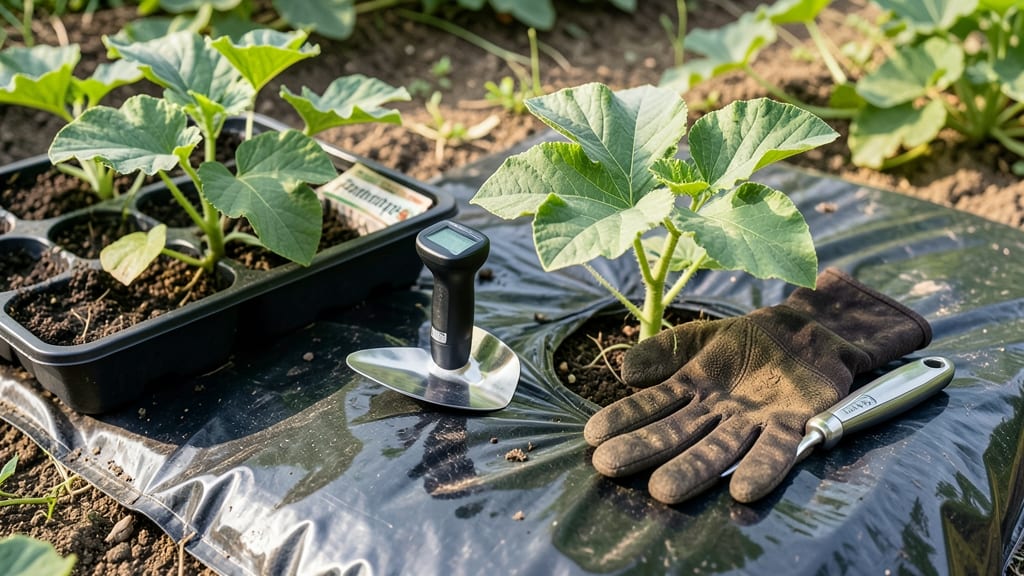
Plant cantaloupe in Pennsylvania after the last frost date, when soil temperatures hit 70°F—typically between April 15 and May 15 depending on your zone.
If you’ve ever watched your seedlings wilt under a late spring frost or missed the sweet spot for harvest, you know timing is everything with 🍈 cantaloupe.
In Pennsylvania’s 6a zone, planting too early risks frost damage, while waiting too long may leave you with no melons by summer’s end.
This guide breaks down the exact planting windows for PA’s varied climate, from the cooler 5a regions to the warmer 7a areas. You’ll learn how to prep soil, choose the right method (direct sowing vs. transplants), and protect your crop from unexpected chills.
By the end, you’ll know exactly when to plant for sweet, ripe cantaloupes—plus how to extend the season in cooler zones. Let’s get started!
PA last frost dates by zone: critical timing for cantaloupe planting
Cantaloupe thrives in Pennsylvania’s warm summers, but timing your planting around last frost dates is crucial. The USDA zones 5a-7a across PA mean your last frost dates vary from late April to early May, depending on your region. Planting too soon risks frost damage, while waiting too late may cut your harvest short.
Unlike frost-sensitive crops, cantaloupe needs consistent warmth—soil temperatures should stay above 70°F (21°C) for seeds to germinate. In cooler zones like 5a-6a, consider black plastic mulch or row covers to warm the soil faster. Urban gardeners may face extra challenges due to heat islands or microclimates.
Here’s your zone-by-zone guide to planting cantaloupe in PA, including soil prep tips and transplanting windows. Use this as your planting calendar to avoid common mistakes and maximize sweet, ripe melons by late summer.
🌱
For urban gardeners, microclimates near buildings or pavement can push last frost dates 1-2 weeks earlier. Monitor local weather forecasts and use a soil thermometer to confirm readiness—cantaloupe seeds won’t germinate below 60°F (15°C), but ideal soil temps are 70-90°F (21-32°C).
If your zone is 5a or 6a, start seeds indoors 3-4 weeks before your last frost date using grow lights. Transplant seedlings outdoors only after nighttime temps stay above 55°F (13°C) for a week.
Harden off seedlings by placing them outside for 2-3 hours daily the week before transplanting.
Adjust for microclimates by observing your garden’s specific conditions. South-facing slopes warm up faster, while low-lying areas may stay cooler. Black plastic mulch can raise soil temps by 5-10°F, while straw mulch helps retain moisture in hotter zones like 7a. For container growing, use 5-gallon pots and place them in full sun areas.
In Zone 7a, where summers are longest, you can even try succession planting—sow a second batch in early June for a fall harvest before the first frost.
Just be prepared to harvest before October 15, as cantaloupes won’t ripen in cooler fall temps. Use row covers to extend the season by 2-3 weeks if needed.
Remember, cantaloupe needs 75-90 days to mature, so count backward from your average first frost date (typically October 15) to determine your latest planting window. In Zone 5a, this might mean your last chance is July 1—so plan accordingly!
🌿
Direct sowing vs. transplanting cantaloupe in PA: which method works best?
Choosing between direct sowing and transplanting cantaloupe in Pennsylvania depends on your growing zone, patience level, and climate conditions. In cooler PA zones (5a-6a), transplanting often gives you a head start, while direct sowing can be simpler for experienced gardeners with warmer microclimates.
Both methods have pros and cons, especially when dealing with Pennsylvania’s unpredictable spring frosts.
For direct sowing, wait until the soil reaches 70°F+—typically late May to early June in most of PA. This method avoids transplant shock but requires longer growing seasons to mature.
In contrast, transplanting seedlings (started indoors 3-4 weeks before last frost) can shave weeks off the growing timeline, giving you an earlier harvest in shorter PA summers.
Direct Sowing
- ✅ Pros:
- • No transplant shock risk
- • Cheaper (no seedling costs)
- • Better root establishment in native soil
- • Ideal for warm microclimates (e.g., urban heat islands)
- ❌ Cons:
- • Late start (waits for soil warmth)
- • Slower maturation in cooler PA zones
- • Pest vulnerability (soil-borne diseases)
Transplanting
- ✅ Pros:
- • Earlier harvest (3-4 weeks ahead)
- • Controlled growing conditions (indoor starts)
- • Better for short seasons (PA zones 5a-6a)
- • Easier pest management (sterile seedling mix)
- ❌ Cons:
- • Transplant shock risk if not hardened off
- • Higher cost (seedlings, trays, lights)
- • Root disturbance can delay growth
💡 PA-Specific Tip: For zones 5a-6a, transplant after May 15 when night temps stay above 55°F.
If you choose direct sowing, plant 2-3 seeds per hill, spacing hills 3-4 feet apart in full sun. Press seeds 1 inch deep in warm, well-draining soil amended with compost.
In PA’s cooler zones, use black plastic mulch to warm the soil faster and extend the season by 10-14 days.
For transplanting, start seeds indoors 4-6 weeks before your last frost date (use grow lights for 14+ hours/day). Harden off seedlings for 7-10 days before transplanting, and choose overcast days to reduce stress. In PA, aim to transplant by late May to ensure 90+ frost-free days for harvest.
Avoid these common PA mistakes: planting too early (frost damage), overcrowding (reduces airflow), or using cold soil (slows germination). In urban gardens, consider container growing with heat mats to extend the season. With the right method, you’ll enjoy homegrown cantaloupe by mid-summer!
🌱