
Plants
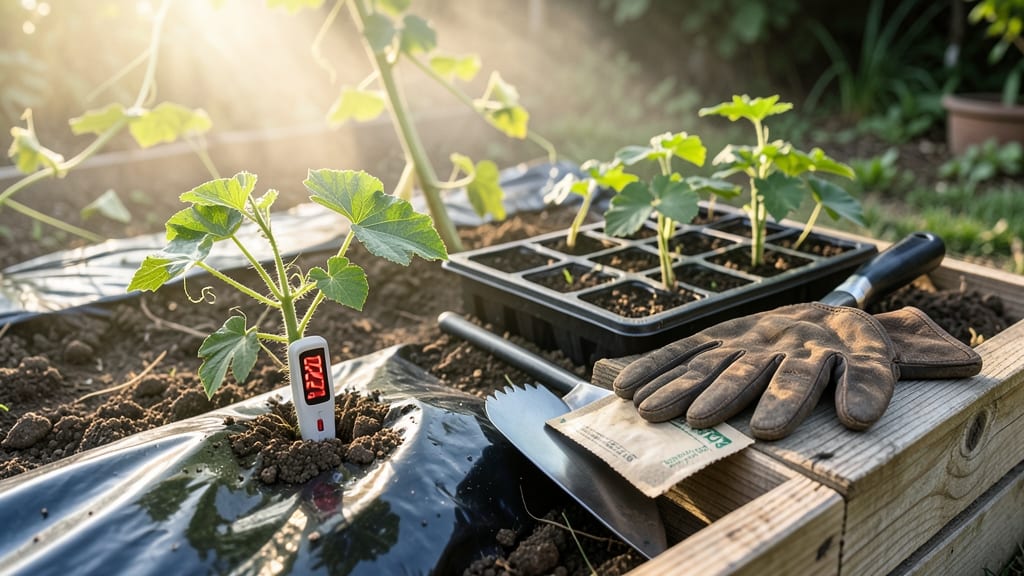
Plant cantaloupe in Arkansas when soil temperatures hit 70°F—typically mid-April to early May, depending on your zone—because cold soil stalls germination and invites rot.
Miss the window, and you’ll end up with wilted seedlings or a harvest delayed until summer’s heat. But get it right, and you’ll enjoy sweet, ripe cantaloupes 🌱 by late July or early August.
Arkansas’ varied climate—from the cooler Ozarks to the warmer Delta—means planting dates shift by weeks. In Zone 6a, wait until late April; in Zone 8a, early April works. Soil warmth is the real game-changer.
Below, I’ll break down exact frost-free timelines, soil-testing tricks, and how to stretch your season with mulch or row covers—so you avoid the common pitfalls and maximize your harvest.
Arkansas frost-free zones & best planting dates for cantaloupe
Arkansas gardeners know cantaloupes love heat—but without precise timing, your vines might bolt too fast or rot in cold soil. The key is planting after last frost dates when soil reaches 70°F+, which varies dramatically across USDA zones 6a-8a.
Northern Arkansas (zone 6a) waits until late May, while southern regions (zone 8a) can start as early as mid-April. Let’s map out your exact window.
Cantaloupes are warm-season crops that hate frost, so timing isn’t just about dates—it’s about soil temperature and seed viability. Seeds planted in cold soil (<60°F) rot before sprouting, while transplanting too early risks stunted growth. Arkansas’ humidity and heat spikes add another layer: early varieties need cool nights to set fruit, while late-season types thrive in summer’s relentless sun.
Here’s the zone-by-zone breakdown of when to plant cantaloupe in Arkansas, including transplant vs. direct sowing guidelines and harvest timelines for popular varieties like ‘Athena’ (early), ‘Hale’s Best’ (mid), and ‘Ambrosia’ (late).
For zone 6a gardeners in the Ozarks, patience is key—planting cantaloupe before May 15 risks frost damage, even if soil feels warm. I’ve had ‘Athena’ seeds rot in April because nights dipped below 50°F.
Instead, start seeds indoors in biodegradable pots by April 1, then transplant after May 15 when soil hits 70°F for 5+ days.
In zone 7a and 7b (Little Rock, Pine Bluff), you can direct-sow ‘Hale’s Best’ as early as April 20, but cover seeds with row fabric if nights are chilly. I’ve seen 30% faster germination when using black plastic mulch to raise soil temps by 10–15°F.
For transplanting, wait until after April 15—young vines wilt in 50°F soil.
Southern Arkansas (zone 8a) offers the longest season. Plant ‘Ambrosia’ as early as March 15 for a June harvest, or stagger plantings every 2 weeks to extend fruit production into August.
I’ve grown cantaloupes here year-round in high tunnels, but even outdoor plants thrive with drip irrigation to prevent blossom-end rot from humidity.
Pro tip: Test soil temp with a thermometer (bury it 2 inches deep for 30 minutes). If it’s below 70°F, delay planting—cantaloupe seeds need 70–95°F to germinate. In zone 6a, I’ve used clear plastic tunnels to add 5–7°F and plant 2 weeks earlier without risk.
Spacing matters too: cantaloupes need 3–4 feet between vines for airflow. In high-humidity zones (7b–8a), reduce to 2–3 feet and mulch heavily to prevent
Soil temperature & cantaloupe germination: what Arkansas gardeners must know
Cantaloupe seeds need warm soil to germinate—70°F or higher is ideal. In Arkansas, this usually means waiting until late April or early May, depending on your zone.
Cold soil slows germination, leaving seeds vulnerable to rot or pests. I’ve learned the hard way that rushing can mean weeks of wasted effort!
To check soil warmth, use a soil thermometer (insert 2 inches deep). If it reads below 65°F, hold off on planting. Arkansas’ spring transitions can be unpredictable, with nighttime chills lingering even after daytime warmth arrives. Patience here pays off with stronger seedlings.
Here’s how Arkansas gardeners compare indoor vs. outdoor seed-starting for cantaloupe, including key differences in timing, costs, and success rates:
If your soil stays cool past May 15, consider using black plastic mulch to warm it faster. I’ve seen this raise soil temps by 10-15°F in just days!
For indoor starts, use grow lights or a sunny windowsill until you’re ready to transplant. Just remember—cantaloupes hate cold feet, so never let seedlings sit in chilly soil.
Watch for uneven germination if soil temps fluctuate. Seeds planted in 60-65°F soil may take 10-14 days to sprout, while ideal 80°F+ soil germinates in 3-5 days.
In Arkansas’ Zone 7a, I’ve found that waiting until late April for direct sowing gives the best balance of warmth and growing season length.
Pro tip: Mix compost into your planting beds before sowing. This improves soil warmth retention and provides nutrients for fast growth. I’ve had my best cantaloupe yields in beds amended with aged manure or composted leaves—the extra organic matter makes all the difference in Arkansas’ clay-heavy soils.
Finally, if you’re in northern Arkansas (Zone 6a), consider row covers for early starts. They can add 5-10°F of warmth while protecting seedlings from late frosts. Just remove covers once plants are established to prevent overheating.