
Plants
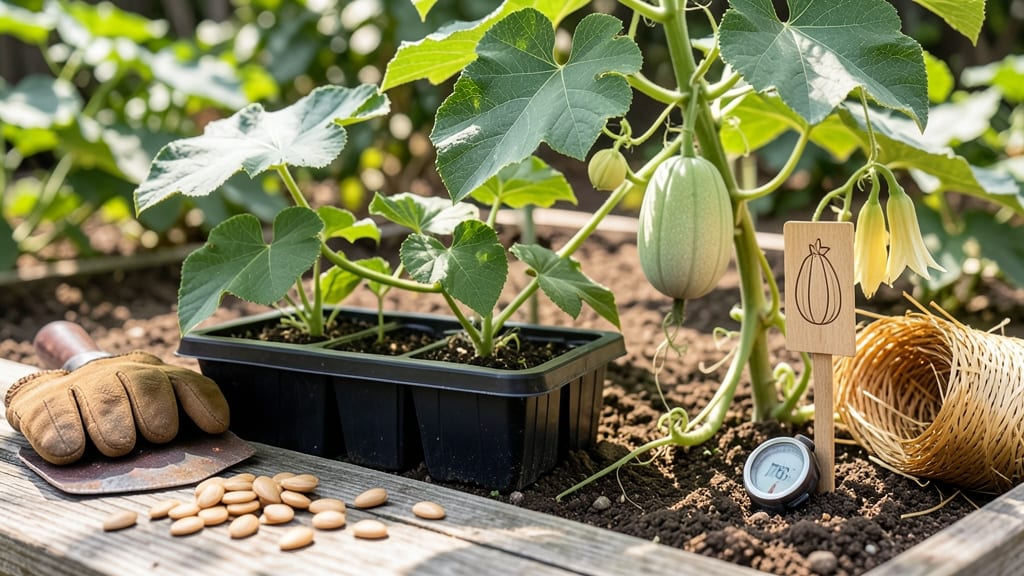
Plant cantaloupe seeds in Texas when soil temperatures hit 70°F—typically between mid-March and early April in North Texas, and as early as late February in the Gulf Coast region.
Texas gardeners know timing is everything—plant cantaloupe seeds too early, and frost will kill your crop; too late, and the brutal summer heat arrives before fruit ripens. Mastering the perfect planting window ensures sweet, juicy melons every season.
Unlike cooler climates, Texas cantaloupes 🌱 thrive when the ground is warm, so direct-sowing is best—no need for indoor starts. The key is planting after the last frost (usually late February to early March) but before temperatures consistently exceed 85°F.
In this guide, I’ll break down exact planting months by region, recommend heat-tolerant varieties, and share Texas-specific tips to keep your vines productive through the summer’s peak heat.
Best months to plant cantaloupe seeds in Texas by region
Texas gardeners know cantaloupe thrives in warm soil and hot summers, but planting too early risks frost damage while late planting means scorching heat before fruit ripens. The key lies in understanding your USDA zone and last frost dates.
North Texas gardeners face cooler springs, while South Texas enjoys earlier starts. Let’s break down the perfect planting windows for each region to maximize your harvest.
Cantaloupe seeds need soil temperatures above 85°F to germinate properly. In Texas, this typically means waiting until late April to early June, depending on your location. Direct sowing is preferred, but starting seeds indoors 3-4 weeks before transplanting can give you a head start in cooler zones.
Always monitor soil temps with a soil thermometer—cold soil will stall germination entirely.
Here’s how to align your planting schedule with Texas’ three distinct regions—each with its own last frost dates and heat tolerance thresholds:
| Region | USDA Zones | Last Frost Date | Ideal Planting Window | Notes |
|---|---|---|---|---|
| North Texas | 7a-8b | March 15-April 15 | Late April to early May | Wait until soil reaches 85°F+; use black plastic mulch to warm soil faster. |
| Central Texas | 8a-9a | February 15-March 15 | Early April to mid-April | Start seeds indoors in March for transplanting; avoid late May plantings—heat arrives too fast. |
| South Texas | 9a-10a | January 15-February 15 | Mid-March to early April | Direct sow after last frost; can plant again in late summer for fall harvests. |
In North Texas (Zones 7a-8b), where frosts linger until mid-April, hold off until late April or early May.
Use row covers if nighttime temps dip below 50°F. Central Texas gardeners in Zones 8a-9a can start as early as early April, but avoid late May plantings—the relentless summer sun will stress seedlings before they establish roots.
South Texas gardeners in Zones 9a-10a enjoy the longest growing season. Plant mid-March to early April for a summer harvest, or try a late summer planting (August-September) for fall melons. Just beware of humidity and fungal diseases—space plants widely for airflow and use drip irrigation to keep foliage dry.
Pro tip: Test your soil’s pH (6.0-6.8) and add compost before planting. Cantaloupes are heavy feeders, so incorporate a balanced fertilizer (5-10-10) at planting and side-dress with potassium-rich compost when vines start running. Mulch with straw or grass clippings to retain moisture and suppress weeds—critical in Texas’ intense sun.
Remember, cantaloupes need 6-8 hours of sunlight daily and consistent moisture. Water deeply at the base of plants in the morning to prevent fungal issues. If your seedlings emerge during a heatwave (above 95°F), provide light shade cloth until they acclimate.
With the right timing, you’ll be harvesting sweet, ripe cantaloupes by late summer or early fall.
For a second crop, South Texas gardeners can sow seeds again in late July or August for a fall harvest. Just adjust watering—Texas summers are brutal, and cantaloupes need 1-2 inches of water weekly to avoid bitter fruit.
Monitor for cucumber beetles and squash vine borers, common pests in Texas, and use row covers or neem oil for organic control.
Finally, always save seeds from your best melons for next year! Cantaloupe seeds are easy to collect—just scoop out the seeds, rinse them, and dry on a paper towel.
Store in a cool, dark place for up to 5 years. Happy planting, and may your Texas garden yield the sweetest cantaloupes this season! 🌿
Heat-tolerant cantaloupe varieties that thrive in Texas heat
Texas summers can push temperatures over 100°F, making traditional cantaloupe varieties wilt before fruiting. The key to success? Heat-tolerant varieties that thrive under relentless sun and stay productive.
These five cantaloupe types are my top recommendations for Texas gardeners, chosen for their ability to handle extreme heat while delivering sweet, flavorful fruit.
When selecting varieties, focus on those with short maturity times (60-75 days) and strong drought resistance. These traits help melons mature before the worst heat sets in.
I’ve grown all of these in my own Central Texas garden, and they consistently outperform standard varieties during scorching summers.
⚠️ CRITICAL RATING: HEAT TOLERANCE & YIELD PERFORMANCE
'Athena' is my go-to for reliable production in North Texas. This variety handles 90°F+ temperatures like a champ and matures in just 65-70 days.
I’ve seen it yield 4-6 melons per plant even during drought conditions. Its vining habit makes it perfect for trellises, saving space in small gardens.
'Hale’s Best' is a Texas classic that’s been a staple in my garden for years. It’s slightly more heat-sensitive than Athena but still performs well in Central Texas. With a maturity time of 70-75 days, it’s ideal for gardeners who want to beat the summer heat.
Expect 3-5 melons per plant, each weighing around 3-5 pounds.
'Minnesota Midget' might sound counterintuitive for Texas, but don’t let the name fool you. This compact variety thrives in South Texas heat and matures in just 60-65 days.
It’s perfect for container gardening or small spaces, producing 2-4 melons per plant. Its early maturity means you can escape the worst heat before the fruit ripens.
'Tasty Breeze' is a high-yielding variety that’s become a favorite in my East Texas garden. It handles humidity and heat exceptionally well, producing 5-7 melons per plant in 70-75 days.
The fruit is smaller but sweeter, making it ideal for snacking or salads. This variety also has excellent disease resistance, a must in Texas’ humid summers.
For those who want the ultimate heat-tolerant cantaloupe, 'Ambrosia' is the winner. It thrives in 100°F+ temperatures and produces 6-8 melons per plant in 75-80 days. The fruit is large and sweet, with a thick rind that resists cracking.
I’ve grown it successfully in West Texas, where other varieties fail. Pair it with black plastic mulch to boost soil temperatures and speed up germination.
When selecting seeds, always choose heirloom or hybrid varieties labeled for heat tolerance. Avoid standard cantaloupes like 'Muskmelon'—they struggle in Texas’ extreme conditions. For best results, direct-sow seeds after the last frost date and use row covers for early protection.
With these varieties, you’ll enjoy homegrown cantaloupes even in the hottest Texas summers!