
Plants
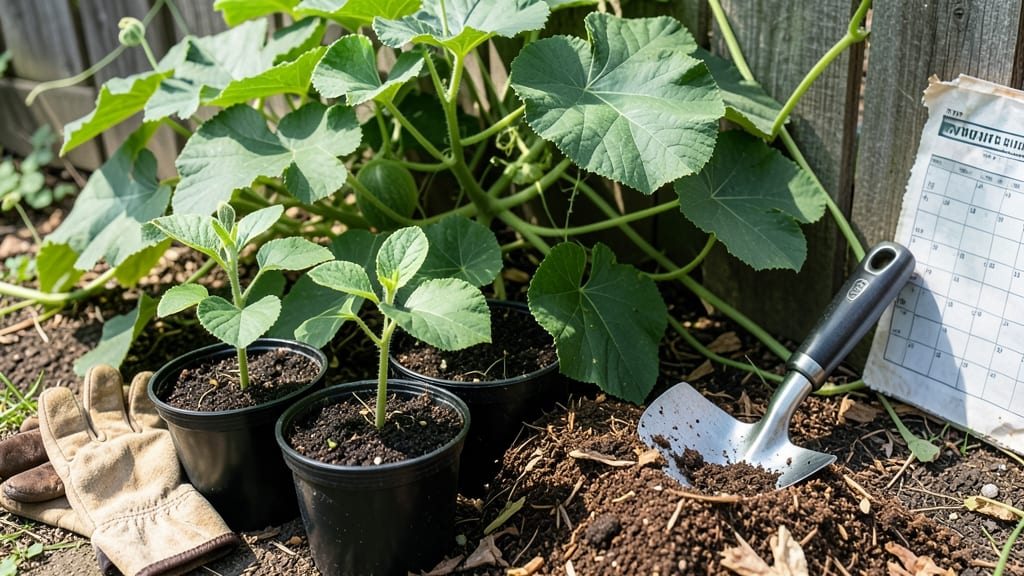
Plant cantaloupe in Ohio after your last spring frost, when soil temperatures hit at least 60°F—typically late April to early May for most of the state.
Ohio’s unpredictable spring weather can make or break your cantaloupe harvest—planting too early risks frost damage, while waiting too long shortens the growing season. Mastering the perfect frost-free timeline ensures sweet, juicy melons by summer’s end.
For Zone 5b growers, aim for mid-May, while Zone 6b gardeners can start as early as late April. Soil warmth is the key—cantaloupes 🌱 won’t germinate well in cold soil, so use a soil thermometer to confirm readiness.
Below, I’ll break down exact planting windows by region, how to adjust for microclimates, and the 5 critical factors that determine whether your cantaloupe thrives or flops in Ohio’s climate.
Ohio frost-free timeline for planting cantaloupe by Zone (5b-6b)
Ohio’s USDA Zones 5b-6b offer a 120-150 day growing season, perfect for cantaloupe—but timing is everything. In Zone 5b (northern Ohio), the average last frost date falls between April 20-30, while Zone 6b (southern Ohio) sees frost-free conditions by April 10-20.
Cantaloupe thrives with 75-90 days to maturity, so planting too late means smaller yields or no harvest at all.
Unlike cold-hardy crops, cantaloupe demands warm soil—at least 70°F (21°C)—to germinate. In Ohio, this typically aligns with mid-to-late May for most regions, but microclimates (like urban heat islands) can shift this window by 1-2 weeks earlier.
Using black plastic mulch or row covers can accelerate soil warming by 5-10°F, giving you a head start in cooler zones.
Direct sowing is the best method for cantaloupe in Ohio, as transplants struggle with root shock in warm soils. Start seeds 1/2 inch deep, spacing them 2-3 feet apart in hills. If you’re in Zone 5b, consider starter plants under protective covers to extend your season.
For Zone 6b, you can push the timeline slightly earlier, but always wait until nighttime temperatures stay above 55°F (13°C).
Here’s how Ohio’s microclimates affect your planting schedule, including soil temperature thresholds and frost risk:
If you’re in Zone 5b, don’t rush—waiting until mid-May ensures your cantaloupe seeds won’t rot in cold soil. For Zone 6b, you can start as early as late April, but monitor nighttime temperatures closely.
A late frost in May can devastate young seedlings, so have row covers ready if your forecast predicts a 32°F (0°C) dip.
For direct sowing, scatter 3-4 seeds per hill and thin to the strongest plant once they’re 2 inches tall. If you’re transplanting (less ideal), harden off seedlings for 7-10 days before setting them out.
In Ohio, transplanting is risky unless you’re using biodegradable pots to minimize root disturbance. Always plant cantaloupe on mounds or hills to improve drainage and prevent rot in Ohio’s often clay-heavy soils.
Pro tip: Test your soil temperature with a soil thermometer before planting. Cantaloupe seeds won’t germinate below 60°F (15°C), and growth slows dramatically below 70°F (21°C). In cooler years, consider starter plants under hoop tunnels or cold frames to jumpstart your season.
This is especially useful in northern Ohio (Zone 5b), where summers are shorter.
Once planted, cantaloupe needs consistent
5 Critical factors that determine your cantaloupe planting success in Ohio
Ohio’s Zone 5b-6b climate demands more than just frost dates when planting cantaloupe. While average last frost dates (mid-April to early May) guide many gardeners, soil temperature and microclimates often decide whether your melons thrive or fail.
Urban areas like Columbus may warm up faster than rural farmlands in Appalachia, creating planting windows that vary by weeks.
Even after frost risk passes, cantaloupe seeds won’t germinate until soil reaches 70°F+.
In Ohio, this typically means waiting until late May or early June—sometimes even July in colder microclimates. Black plastic mulch can shave off 2-3 weeks by warming soil faster, while row covers protect young plants from unexpected late frosts that hit Zone 5b hard.
Ohio’s urban vs. rural divide also plays a role. In cities like Cleveland, heat islands can create microclimates where cantaloupe thrives 2 weeks earlier than in cooler Appalachian valleys.
Test your soil’s warmth with a soil thermometer—if it’s below 65°F at 4 inches deep, wait. Direct sowing is best, but if you transplant, harden off seedlings for 7-10 days to avoid shock.
Don’t overlook companion planting—pairing cantaloupe with basil or radishes can deter pests like cucumber beetles, which are rampant in Ohio’s humid summers. For Zone 5b growers, succession planting every 2 weeks after the initial sowing ensures a staggered harvest before fall frosts arrive in October.
To extend Ohio’s short growing season, combine black plastic mulch (for soil warmth) with row covers (for frost protection). This duo lets you plant 3 weeks earlier and harvest 2 weeks later, turning Ohio’s 90-day cantaloupe into a reliable crop even in cooler microclimates.
Just remember: remove covers once flowers appear to allow pollination.
My best advice? Monitor soil temps, adjust for your local microclimate, and use season-extending tools. With these 5 critical factors mastered, you’ll go from frost-risk failures to bountiful cantaloupe harvests—even in Ohio’s unpredictable climate. 🌱