
Plants
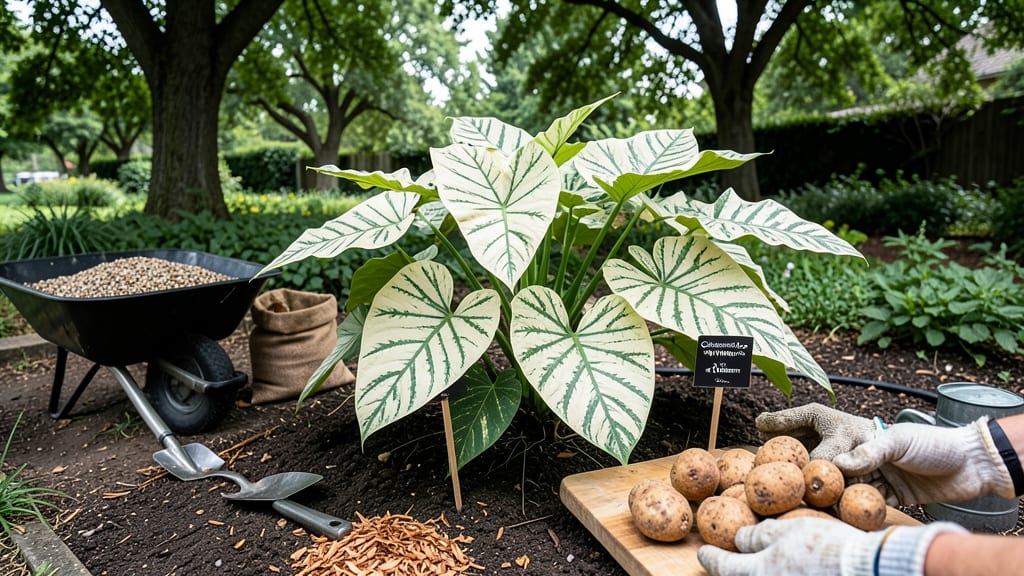
Planting caladium bulbs in Florida after the last frost ensures their stunning foliage thrives all season long 🌿 — and the right timing can make the difference between a vibrant garden and a missed opportunity.
Florida’s warm climate makes caladiums a showstopper, but getting the schedule wrong means you might miss their breathtaking displays. Whether you’re planting in the ground or containers, knowing the best window is key to vibrant, long-lasting color.
Most of Florida sees its last frost between mid-January and mid-February, but soil temperature is the real trigger. Aim for March or early April when the ground warms to at least 65°F, giving your caladiums the perfect start.
Below, I’ll break down the ideal months by region, soil prep tips, and how to extend their beauty through Florida’s heat. Ready to transform your garden with these eye-catching plants?
Best months to plant caladium bulbs in Florida for maximum growth
Florida’s caladium bulbs thrive in the state’s warm climate, but getting the planting timing right is key to unlocking their stunning foliage. Unlike many plants, caladiums don’t tolerate frost, so knowing your microclimate and soil temperature thresholds makes all the difference.
In my experience, the perfect window varies slightly across Florida’s regions—North, Central, and South—due to temperature variations and last frost dates.
For most of Florida, March and April are the ideal months to plant caladium bulbs. This timing ensures the soil has warmed to at least 65°F, which is critical for tuber growth.
However, in South Florida, where frost is rare, you can even start planting as early as February if soil conditions are right. The key is avoiding late spring or summer plantings, which can stress the tubers and lead to poor foliage development.
Here’s the breakdown you need to know—including soil temperature thresholds and regional adjustments—to get those vibrant leaves off to the best start possible.
If you’re in North Florida, hold off until mid-April to avoid any lingering frost risk. I’ve seen caladiums planted too early in Jacksonville or Gainesville suffer from stunted growth or even rot if a late frost hits.
Use a soil thermometer to confirm temperatures—65°F is your magic number for consistent growth.
For Central Florida, late March is perfect. Cities like Orlando and Tampa benefit from planting in this window because the soil warms quickly, and the tubers get a head start before summer’s intense heat.
I’ve noticed that caladiums planted in April in this region often produce larger, more vibrant foliage by summer.
In South Florida, where frost is almost unheard of, you can push the envelope and plant as early as February. Areas like Miami and Fort Lauderdale have such warm winters that caladiums can even be planted in January if you’re in a particularly sheltered microclimate.
The key is to monitor soil moisture—South Florida’s humidity can lead to rot if tubers aren’t planted in well-draining soil.
One mistake I see often is planting caladiums in May or June. While it’s not impossible, the tubers may struggle to establish roots before the summer heat sets in.
If you miss the ideal window, opt for container gardening—pots warm up faster and give you more control over soil conditions. Just ensure your containers have drainage holes to prevent waterlogging.
Pro tip: If you’re unsure about your local frost dates, check the Florida Climate Center or ask your local Cooperative Extension Service. They provide hyper-localized advice that can save your caladiums from disappointment.
For example, Panhandle regions like Pensacola may need to wait until early May, while Key West can plant year-round with minimal risk.
Remember, caladiums are all about their foliage, not flowers. Planting at the right time ensures you’ll have those showstopping leaves from summer through fall. With the right timing, your garden will be a vibrant canvas of colors like pink, white, and deep burgundy—worth every bit of planning!
How to prepare Florida soil and containers for caladium bulbs
Caladium bulbs thrive in Florida’s heat but need the right soil preparation to prevent rot and stunted growth. Florida’s humid climate and heavy rainfall demand well-draining, nutrient-rich soil to keep these tropical beauties happy.
Whether you’re planting in-ground or containers, these steps will set your caladiums up for stunning foliage all season.
Start by testing your soil pH—caladiums prefer slightly acidic to neutral soil, ideally between 6.0 and 7.0. If your soil is too alkaline, amend it with peat moss or sulfur to lower the pH gradually.
Florida’s native soil often lacks organic matter, so mix in 3-4 inches of compost or well-rotted manure to improve fertility and drainage.
For in-ground planting, loosen the soil to a depth of 12 inches and remove any debris or rocks. This helps roots spread easily and prevents waterlogging.
If your yard has clay-heavy soil, blend in perlite or coarse sand to boost aeration and drainage—critical for avoiding bulb rot in Florida’s wet summers.
⚠️ Warning: Florida’s Humidity Trap
Never plant caladium bulbs in soggy soil—Florida’s high humidity and frequent rains create the perfect storm for rot. If your soil stays wet for more than 24 hours, amend with 10-20% perlite or vermiculite to improve drainage. Test drainage by filling a container with your soil mix and water; if it drains slower than 30 minutes, add more coarse material.
For container gardening, choose pots with drainage holes and use a lightweight mix of 50% peat moss, 30% perlite, and 20% compost. This blend mimics Florida’s natural well-draining soils while retaining moisture.
Place a 2-inch layer of gravel at the bottom of each pot to prevent root rot—a common issue in Florida’s damp climate.
Before planting, soak caladium bulbs in a fungicide solution (like neem oil or copper fungicide) for 10-15 minutes to prevent fungal diseases. This step is especially important in Florida’s fungus-prone environment. Plant bulbs 3-4 inches deep, spacing them 8-12 inches apart to allow airflow and reduce humidity-related stress.
Mulch with 2-3 inches of pine bark or shredded leaves to retain moisture and regulate soil temperature. Avoid thick mulch layers, as they can suffocate bulbs in Florida’s heat.
Water deeply after planting to settle the soil, but avoid overhead watering to minimize fungal spores—stick to drip irrigation or soaker hoses for best results.
With the right soil prep and container setup, your caladiums will burst into color with minimal fuss. Remember, Florida’s humid summers demand vigilance, but these steps will keep your plants thriving until the first frost. Happy planting! 🌿