Lawn
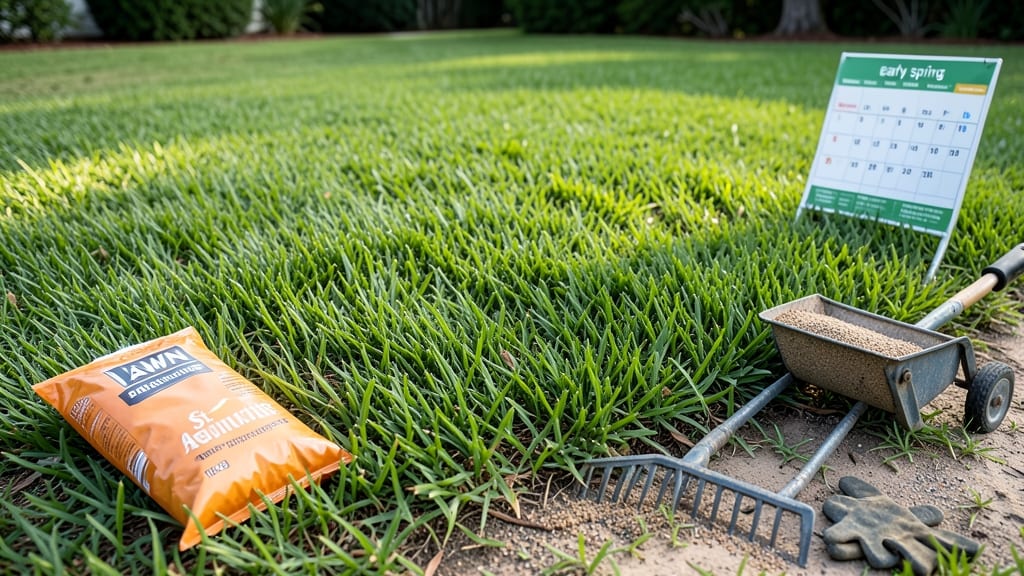
Fertilizing your lawn in North Florida at the right time means the difference between a lush, green carpet and a patchy, struggling yard 🌱.
North Florida’s humid subtropical climate demands a precise fertilization schedule to keep your lawn vibrant year-round—but timing is everything. Skip this window, and you’ll waste money or even harm your grass. Here’s the exact month-by-month plan to maximize growth without overfeeding.
Most homeowners in zones 8a-9b make the mistake of fertilizing in summer, only to trigger fungal growth or burn their grass. The key is feeding in early spring and fall, when cooler temps and consistent rain help roots absorb nutrients efficiently.
Below, I break down the best months for each grass type—whether you’ve got St. Augustine, Bahia, or Bermuda—and how to adjust for your specific region, from the panhandle to the coast.
North Florida fertilization timeline: best months for each season
North Florida’s humid subtropical climate creates unique challenges for lawn care. Unlike cooler regions, your grass thrives on a spring-fall fertilization schedule while summer’s heat and humidity demand caution. The key? Soil temperature triggers—fertilizing when soil is between 65°F and 75°F ensures nutrients absorb properly without burning your lawn.
For St. Augustine and Centipede grass, this means timing is even more critical due to their sensitivity to heat stress.
Rainfall patterns also play a role—heavy summer downpours can leach nutrients before they’re absorbed, while dry winters reduce microbial activity in the soil. My approach focuses on two primary feeding windows: early spring (March-April) and late summer/early fall (August-September).
This aligns with your grass’s natural growth cycles and Florida’s climate quirks, like sudden afternoon thunderstorms that can wash away fresh fertilizer.
🌱 Pro Tip: Always test your soil’s pH before fertilizing. North Florida’s sandy soils often need lime adjustments (aim for pH 6.0-6.5) to maximize nutrient uptake. A simple DIY test kit costs under $10 and saves you from over-fertilizing.
For St. Augustine grass, my go-to schedule starts in early March with a slow-release 16-4-8 fertilizer.
This variety loves nitrogen but hates heat stress, so I avoid summer feeding entirely. Centipede grass, on the other hand, thrives on low-nitrogen applications—just 10-0-10 in spring and fall—and can handle summer dormancy better than most. Bahiagrass and Zoysia are more forgiving but still benefit from late-summer feeding to bulk up before winter.
Humidity is the wild card in North Florida. When fertilizing in spring or fall, I always apply in the early morning to let nutrients soak in before afternoon humidity spikes.
If rain is forecast within 48 hours, I’ll skip the session or use a water-soluble fertilizer with a rainfast formula. Pro tip: Look for products labeled "humidity-resistant"—they’re designed to bind to soil particles and resist leaching.
One common mistake I see is over-fertilizing in late summer (August) to "boost" growth before fall. This is a recipe for brown patch fungus in our sticky heat. Instead, I recommend a light feeding in early September when soil temps start dropping.
For Centipede grass, this might mean just half the recommended dose of nitrogen to avoid stress. Zoysia, meanwhile, can handle a full dose in September to strengthen roots before winter.
Winter fertilization is a hard no in North Florida. When temps dip below 60°F, grass growth slows to a crawl, and any fertilizer applied will just leach into groundwater or burn tender roots. Instead, I focus on light aeration in February to prep for spring.
This opens up soil pores so nutrients can penetrate deeper when I finally fertilize in March. 💧 Watering tip: Always water your lawn deeply 24 hours before fertilizing to help distribute nutrients evenly.
For coastal areas (like Jacksonville or St. Augustine), I adjust the schedule slightly by pushing spring feeding to April to avoid salt spray damage from coastal storms. Inland areas (like Gainesville) can
Signs your North Florida lawn needs fertilizer (and when to skip it)
Your North Florida lawn whispers clues about its health long before you see them. Pale green or yellowing grass, thin patches, or weed invasion are classic signs your turf is nutrient-starved. But these cues can also mean drought stress or disease, so don’t fertilize blindly.
Instead, learn the visual red flags that signal it’s time to feed—or when to pause and fix the real problem first.
Before grabbing that fertilizer, check for these 3 key signs your lawn truly needs nutrients: dull color, slow recovery after mowing, or excessive weeds like crabgrass. These often point to nitrogen deficiency, which is the most common issue in Florida’s sandy soils.
But if your grass looks grayish or limp, it might be water-stressed, not hungry for fertilizer.
⚠️ PROS-CONS BOX: WHEN TO FERTILIZE YOUR NORTH FLORIDA LAWN
- Grass is pale green (nitrogen deficiency)
- Weeds dominate (lawn can’t compete)
- Soil test shows low nutrients (pH < 6.0 or NPK imbalance)
- Early spring or fall (ideal growth windows)
- Grass looks gray/brown (drought stress, not nutrient deficiency)
- Fungal spots appear (brown patch, dollar spot)
- Summer heatwave (temps > 90°F for 3+ days)
- Soil is waterlogged (fertilizer burns roots)
Don’t guess—test your soil first! Grab a DIY test kit (like LaMotte or MySoil) for $20 and check pH and NPK levels. North Florida’s sandy soils often lack organic matter, so if your test shows low phosphorus (< 0.1%), mix in compost before fertilizing.
Pro tip: Spring is prime time for feeding, but if your soil pH is below 6.0, lime it first to avoid wasting fertilizer.
If your lawn has dark brown patches with yellow halos, it’s likely fungal disease, not a nutrient issue. In this case, skip fertilizer and treat with a fungicide (like BioAdvanced Fungus Control) instead.
Summer is the worst time to fertilize—heat and humidity make grass vulnerable to burn, and weeds thrive on fresh nitrogen. Wait until late August or September for your fall feeding.
When in doubt, consult a local pro. Florida’s University of Florida Extension offers free soil tests and can recommend grass-specific fertilizers. For example, St. Augustinegrass needs more potassium than Bahiagrass, so a one-size-fits-all approach fails.
A professional can also spot hidden pests like chinch bugs, which mimic nutrient deficiencies but require insecticide, not fertilizer.
Remember: Less is more in North Florida. Over-fertilizing leads to runoff pollution (hurting local waterways) and lawn burnslow-release formula with 16-4-8 NPK ratio, and always water it in within 24 hours. Your lawn will thank you with vibrant green that lasts all season. 🌱