Plants
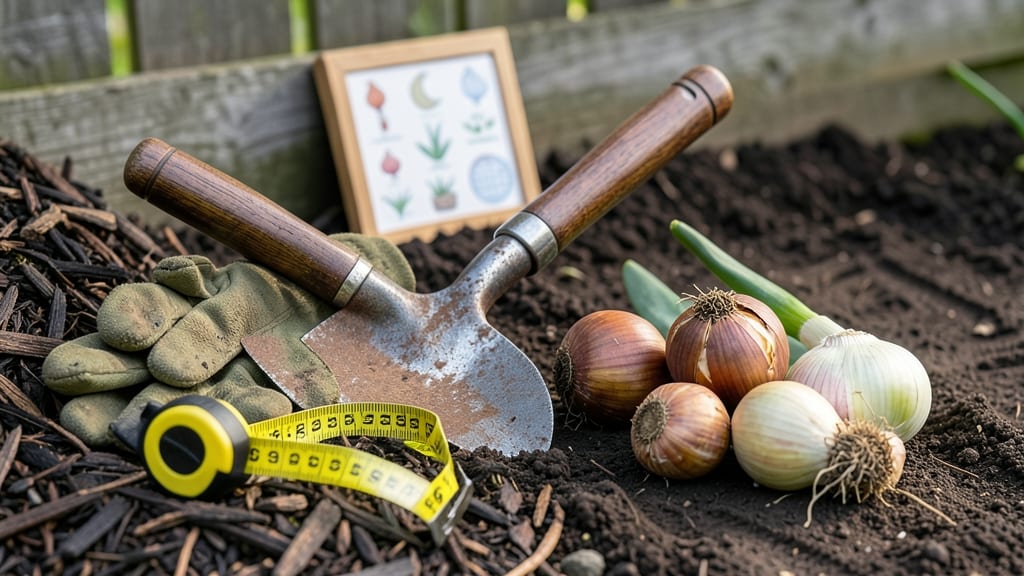
Planting bulbs in the ground at the right time ensures vibrant blooms and strong roots—fall is the sweet spot for most varieties, but timing varies by zone and bulb type.
Timing is everything when planting bulbs—get it wrong, and you risk weak blooms or no flowers at all. But with the right USDA zone guide, you can ensure your tulips, daffodils, and hyacinths thrive year after year.
In Zone 6a, like many gardeners, fall planting between September and November gives bulbs time to root before winter, while spring varieties like crocus can wait until March or April. Soil temperature and frost dates are the key factors.
Below, I’ll break down the perfect planting window for your region, soil prep tips, and how to adjust for unusual climates—so you can grow bulbs that burst into color every season.
USDA Zone planting guide: best months to plant bulbs by region
Planting bulbs at the right time ensures vibrant blooms next spring. The USDA hardiness zone you live in determines the best months to plant, with fall planting being ideal for most varieties.
In cooler zones (3-7), aim for October-November, while warmer zones (8-11) can plant as late as December-January. Spring planting is limited to tender bulbs like dahlias or cannas.
Frost dates are critical—plant bulbs 4-6 weeks before ground freezes to allow roots to establish. In Zone 5, this means mid-September to early October, while Zone 9 gardeners can plant until early December. Always check your last average frost date for precise timing.
Regional variations matter too. The Pacific Northwest (Zone 7-9) has milder winters, so bulbs can be planted later. Meanwhile, the Deep South (Zone 8-11) often plants in December-January to avoid summer heat stress. Urban areas may need adjustments due to heat islands affecting soil temperatures.
For spring-flowering bulbs like tulips and daffodils, fall planting is non-negotiable. These bulbs need chill hours (40-60°F) to bloom properly. If you miss the fall window, consider pre-chilling bulbs in your fridge for 10-12 weeks before spring planting. Summer-flowering bulbs (e.g., dahlias) can be planted in spring after frost.
Soil temperature is just as important as air temperature. Bulbs thrive when soil is below 60°F. Use a soil thermometer to check—plant when temps consistently stay in this range. In Zone 6, this usually aligns with late September, while Zone 9 may wait until November.
Regional microclimates can shift planting times by weeks. Coastal areas (e.g., Pacific Northwest) often have milder winters, allowing later planting. High-altitude gardens (e.g., Rocky Mountains) may need to plant earlier due to shorter seasons. Urban gardens with concrete heat absorption might require adjusting for warmer soil.
Prepare your soil by amending with compost or bulb-specific fertilizer before planting. Bulbs need well-draining soil—avoid clay-heavy areas. Plant bulbs at a depth of 2-3 times their height (e.g., 6-inch bulbs go 12-18 inches deep). Water thoroughly after planting to encourage root growth before winter sets in.
In Zone 10-11, where winters are mild, focus on late fall planting (December-January) to avoid summer heat. Some bulbs, like rain lilies, thrive in these zones year-round. For Zone 3-5, prioritize early fall planting (September-October) to ensure bulbs establish roots before deep freezes.
If you're unsure about your zone, use the USDA Plant Hardiness Zone Map to locate your exact zone. Adjust for microclimates—a south-facing slope may be 2 zones warmer than your general area. Always err on the side of planting earlier rather than later to give bulbs time to root.
Pro tip: Mark your planting dates on a garden calendar with reminders for soil prep, planting, and post-planting care. This ensures you never miss the ideal window for your region. Happy planting—your future spring blooms will thank you! 🌷
Signs your bulbs are ready to plant (and when to avoid it)
Planting bulbs at the right time ensures vibrant blooms next season, but timing is tricky. The key lies in understanding your local climate and the natural dormancy cycle of your bulbs.
For most varieties, fall planting is ideal—typically 6-8 weeks before the first frost. But how do you know when your bulbs are truly ready?
Start by checking the soil temperature. Bulbs like tulips and daffodils thrive when the ground cools to below 60°F. Use a soil thermometer to confirm—this usually happens in late September or early October in most USDA zones.
If your soil is still warm, wait a few weeks to avoid rotting.
Next, observe the bulb's dormancy cues. Healthy bulbs should feel firm and plump, with no signs of sprouting. If you notice green shoots emerging from your stored bulbs, it’s a red flag—they’re waking up too early. Store them in a cool, dark place until planting conditions improve.
⚠️ callout-warning ⚠️
⚠️ Warning: Planting Too Early or Late
Cold zones (3-7): Planting before October risks bulbs rotting in warm soil. Wait until soil temps drop below 60°F.
Mild zones (8-11): Avoid planting after November—bulbs may sprout before winter dormancy sets in.
Urban areas: Heat from pavement can delay soil cooling. Test with a soil thermometer for accuracy.
🌱 Pro Tip: Use a mulch layer after planting to insulate bulbs from temperature swings.
Don’t ignore rainfall and humidity either. If your region is forecasted for heavy rains after planting, delay until the ground dries slightly. Soggy soil can suffocate bulbs, leading to mold or poor root development. Aim for moderate moisture—just enough to help roots establish without waterlogging.
Common mistakes like planting bulbs too shallow or in compacted soil can also ruin growth. Dig holes 3 times deeper than the bulb’s height and mix in compost or sand for drainage. If your soil is heavy clay, consider amending it with organic matter before planting.
Finally, trust your USDA zone. In Zone 5 or colder, plant by mid-October to avoid winter damage. In Zone 8 and warmer, you can plant as late as December, but choose varieties like rain lilies or winter aconites that tolerate mild winters.
By paying attention to soil temp, bulb condition, and weather forecasts, you’ll plant bulbs at the perfect time—setting the stage for a show-stopping spring display. 🌷