Plants
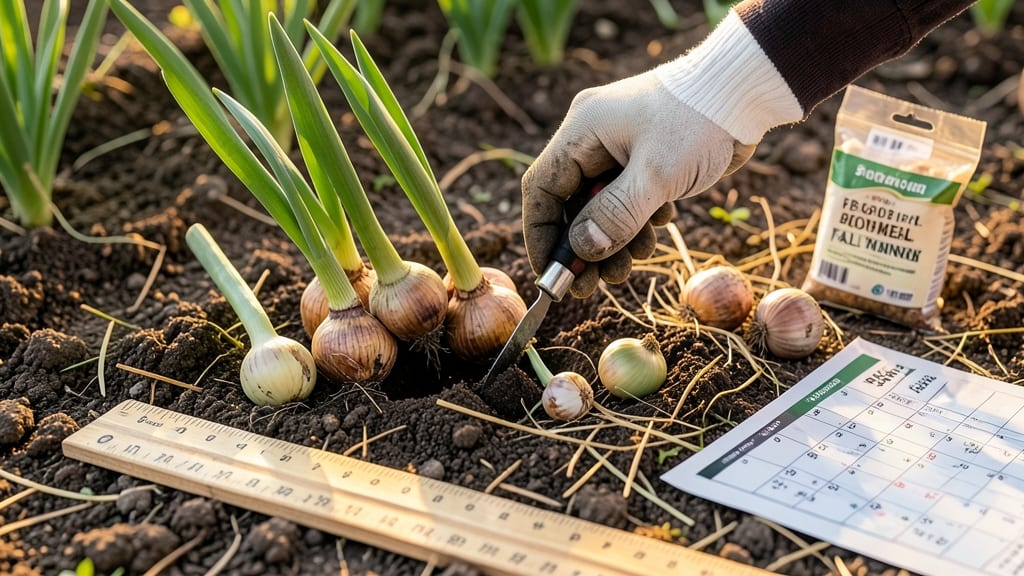
Planting bulbs in the fall ensures vibrant spring blooms 🌱—but timing is the key to avoiding frost damage or weak growth.
Picture this: you’ve spent months dreaming of tulips and daffodils, only to have them rot before they even sprout. That’s what happens when you plant too late—or too early, for that matter.
The ideal window is 6-8 weeks before your first frost, but your USDA zone dictates the exact month.
In Zone 6a, that means getting bulbs in the ground between mid-September and mid-October, when soil temps dip but haven’t frozen yet. Too soon, and roots won’t establish; too late, and frost will kill them before they take hold.
I’ll walk you through the exact schedule for your zone, soil prep tricks, and how to adjust if Mother Nature throws a curveball.
You’ll also find out which bulbs thrive in your climate, how to store them until planting day, and the one mistake that ruins more gardens than you’d think. Let’s get those bulbs in the ground the right way.
Fall bulb planting months by USDA zone: exact timing for zero-frost success
Planting fall bulbs too early or too late can mean the difference between show-stopping spring blooms and wasted money. The key is timing—bulbs need 6-8 weeks to establish roots before the ground freezes.
In warmer zones, this might mean planting in November, while colder climates require September planting. Let’s break it down by USDA zone so you can plant with confidence.
Most gardeners focus on tulips, daffodils, and crocuses, but alliums and hyacinths also thrive when planted at the right time. The critical window varies by zone, but the rule of thumb is: plant when soil temps drop to 60°F and stay there.
This ensures roots grow before winter dormancy sets in.
Below is your zone-by-zone guide, including exact months, soil temperature targets, and last-minute adjustments if frost sneaks up early. Use this as your fall bulb planting checklist to avoid common mistakes like planting too deep or too shallow.
If you’re in Zones 3-4, start planting mid-September for daffodils and crocuses, which handle early frosts better than tulips. Aim to finish by early October—any later, and roots won’t establish before winter. Use a soil thermometer to confirm temps are below 60°F before covering bulbs with mulch.
Gardeners in Zones 5-6 have a slightly longer window, but don’t wait too long. Tulips and hyacinths planted after mid-October may not bloom as vigorously. If your area gets early frosts, prioritize alliums and daffodils, which are more frost-tolerant.
Mulch with straw or leaves after planting to insulate bulbs.
For Zones 7-8, the October-November window is ideal, but watch for unpredictable late frosts. Dahlias and lilies can handle warmer soils, so plant them closer to November. If you’re unsure, dig a small hole and check soil moisture—it should be damp but not soggy before planting.
In Zones 9-10, where winters are mild, you can plant well into December. Focus on tropical bulbs like canna lilies, which thrive in warmer climates.
Avoid planting after early December, as heavy rains can rot bulbs before they root. Use well-draining soil and add compost to prevent waterlogging.
No matter your zone, plant bulbs at the correct depth: typically 2-3 times their height (e.g., a 2-inch bulb goes 4-6 inches deep). Point the sharp end up and space them 3-6 inches apart, depending on the variety.
Water thoroughly after planting to settle the soil and encourage root growth.
Pro tip: If you miss the ideal window, don’t panic! You can still plant bulbs as late as December in mild zones, but expect smaller blooms or delayed flowering. Use extra mulch to protect them from freeze-thaw cycles, which can damage emerging roots.
Next spring, you’ll be rewarded with bold, healthy blooms if you follow this zone-specific timeline. Mark your calendar now—fall bulb planting is your secret weapon for a show-stopping spring garden! 🌷
How to adjust planting time for early frost or late fall conditions
When unpredictable weather throws off your fall planting schedule, don’t panic. Bulbs planted too early or too late can still thrive with the right adjustments. The key is understanding how soil temperatures and frost dates interact with your local climate.
Even a few weeks’ delay can mean the difference between robust roots and frost damage.
Start by checking your USDA zone and local frost predictions. Most gardeners aim to plant 6-8 weeks before the first frost, but if frost arrives early, you’ll need to act fast.
For example, in Zone 5, where frost can hit by late October, you might need to plant by mid-September. In Zone 8, where frost is less predictable, you could extend planting into early November.
⚠️ WARNING: Late Planting Risks ⚠️ If frost threatens before bulbs establish roots, they won’t survive. Tulips and daffodils need 4-6 weeks of root growth before winter. Planting too late (within 2-3 weeks of frost) means bulbs may rot or fail to bloom.
For crocuses and snowdrops, which are hardier, you have slightly more flexibility—but don’t wait until December!
Use a soil thermometer to monitor temperatures. Bulbs like tulips and hyacinths need soil temps between 40°F and 60°F for root development. If temps drop below 40°F before roots form, cover the area with straw or mulch to insulate the soil. This buys you 2-4 extra weeks of growing time.
For bulbs planted too early, the risk is less severe but still worth addressing. If planted in August or early September in warm zones, bulbs may sprout prematurely and get damaged by heat or pests.
To prevent this, plant in a shady spot or cover with mulch until cooler temps arrive. This delays sprouting until conditions are ideal.
If you’re dealing with late fall planting, focus on hardy bulbs like alliums, crocuses, and snowdrops, which tolerate colder soils. For other bulbs, plant them shallowly (4-6 inches deep) and water thoroughly to encourage quick root growth.
Add a thick layer of mulch (3-4 inches) to protect them from temperature swings.
Finally, remember that next spring’s blooms depend on this fall’s prep. Even if you adjust your timeline, prioritize well-draining soil and proper spacing to avoid future issues. With these strategies, you can salvage your bulb garden—no matter how late (or early) the season gets! 🌱