
Planting
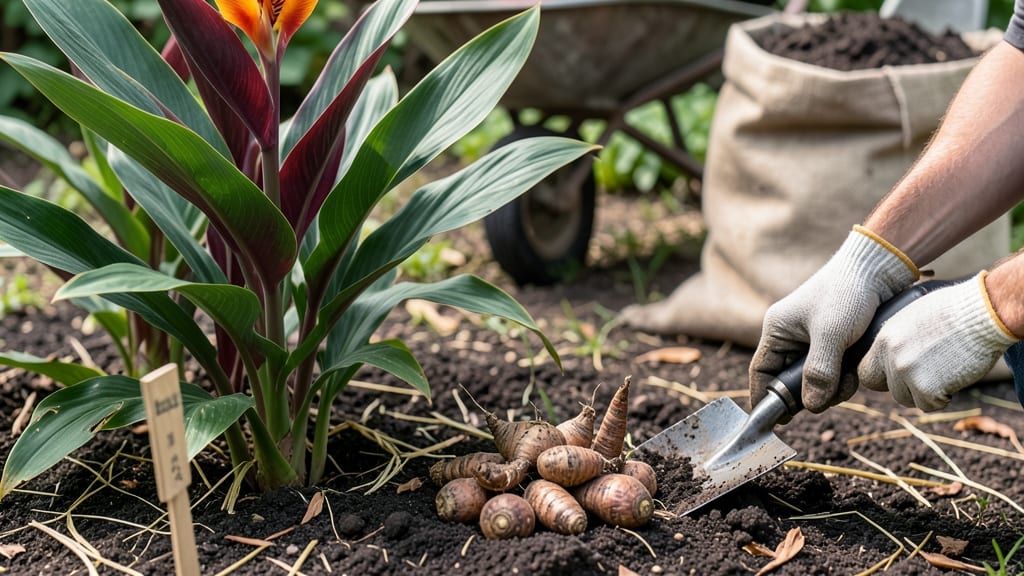
Planting canna bulbs in spring after the last frost ensures vibrant 🌺 blooms and sturdy growth, but timing can make or break your garden's success.
Missed the window, and you risk frost damage to tender shoots—or worse, bulbs that rot in cold, soggy soil. Got it right, and you’ll be rewarded with tropical foliage that thrives all summer long.
Your USDA zone dictates the exact moment to plant: in Zone 6a, wait until mid-April when soil warms to 60°F; in warmer climates like Florida or Southern California, you’ve got until early June.
Below, I’ll break down the ideal planting schedule by region, soil prep tips, and how to avoid the three biggest mistakes that kill canna blooms before they even start.
Ready to grow cannas that outshine your neighbors’ gardens? Let’s get those bulbs in the ground the right way—no guesswork, just stunning results.
USDA Zone planting schedule for canna bulbs by region
Canna bulbs thrive in warm climates but need precise timing to avoid frost damage or missed blooms. Since cannas are tropical plants, they require soil temperatures above 60°F to sprout reliably. The exact planting window varies dramatically across USDA Zones 7-11, from coastal California to Florida’s heat zones.
In Zone 7 (northern climates like Pittsburgh or Denver), wait until mid-May when nighttime temps stay above 55°F. Meanwhile, Zone 11 (southern Florida or Hawaii) can plant as early as February, but avoid heavy rains that rot tubers.
Let’s break down the exact frost-free windows for each zone to maximize your cannas’ blooming potential.
For Zone 7 gardeners, I recommend using black plastic mulch to warm soil faster—this can shave off 2-3 weeks from your planting timeline. In Zone 10, where winters are mild, you can even plant cannas in December if you’re aiming for early spring blooms.
Just monitor soil moisture closely during dry spells.
One common mistake is planting cannas too early in Zone 8 (like Atlanta or San Diego), where late frosts can still occur. Always check your local frost-free date—even a 32°F night can kill tender canna shoots.
Use a soil thermometer to confirm temperatures before planting; cannas won’t sprout until soil hits <
How to prepare canna bulbs for spring planting by climate
Canna bulbs thrive in warm climates but need special care in cooler regions. The key difference lies in soil temperature and whether you use true bulbs (rare) or rhizomes (most common).
In USDA Zones 8-11, you can plant directly after last frost when soil hits 60°F+. But gardeners in Zones 6-7 must pre-chill rhizomes to prevent rot.
First, identify your canna type. Most gardeners work with rhizomes (thick, knobby tubers), not true bulbs. These rhizomes store energy for dramatic summer blooms but need warm soil to sprout. In cold climates, pre-chilling mimics winter dormancy and triggers spring growth.
Here’s the critical difference: Warm climates plant directly into 60°F+ soil, while cooler zones require 4-6 weeks of cold treatment before planting. Let’s break down the proven methods for each approach.
Direct Planting (Warm Climates: Zones 8-11)
✅ Pros
- 🌡️ No pre-chilling needed
- 🌱 Faster growth (blooms in 8-10 weeks)
- 💧 Less risk of rot (dry soil preferred)
❌ Cons
⚠️ Challenges
- ❄️ Frost risk if planted too early
- ☀️ Needs consistent warmth (soil >60°F)
📋 Checklist
- 🌡️ Wait for 60°F+ soil (use soil thermometer)
- 🌱 Plant 2-4" deep, 12-18" apart
- ☀️ Choose full sun (6+ hours daily)
Pre-Chilling (Cooler Climates: Zones 6-7)
✅ Pros
- ❄️ Prevents rot in cold soil
- 🌱 Synchronizes growth with warm season
- 🌿 Better tuber survival in Zone 6
❌ Cons
- ⏰ Requires timing (4-6 weeks before last frost)
- 🧊 Risk of over-chilling (don’t exceed 6 weeks)
📋 Checklist
- ❄️ Place rhizomes in paper bag with moist peat moss
- 🌡️ Store at 35-40°F for 4-6 weeks
- 🌱 Plant after last frost when soil is 55°F+
For Zones 8-11, skip pre-chilling entirely. Instead, soak rhizomes in warm water for 24 hours before planting to kickstart growth. In Zones 6-7, pre-chilling is non-negotiable—it’s the difference between rotten tubers and vibrant blooms.
Pro tip: Use a soil thermometer to confirm 60°F+ before planting in warm zones.
After planting, mulch with straw or leaves to retain heat. In cooler zones, black plastic mulch can raise soil temps by 10°F+, giving cannas a head start.
Water deeply after planting but avoid soggy soil—cannas hate wet feet. Within 4-6 weeks, you’ll see those iconic arrow-shaped leaves emerge.
Remember: Canna rhizomes are not true bulbs. They’re more like underground stems, so treat them gently. If you’re unsure about your zone, <