
Plants
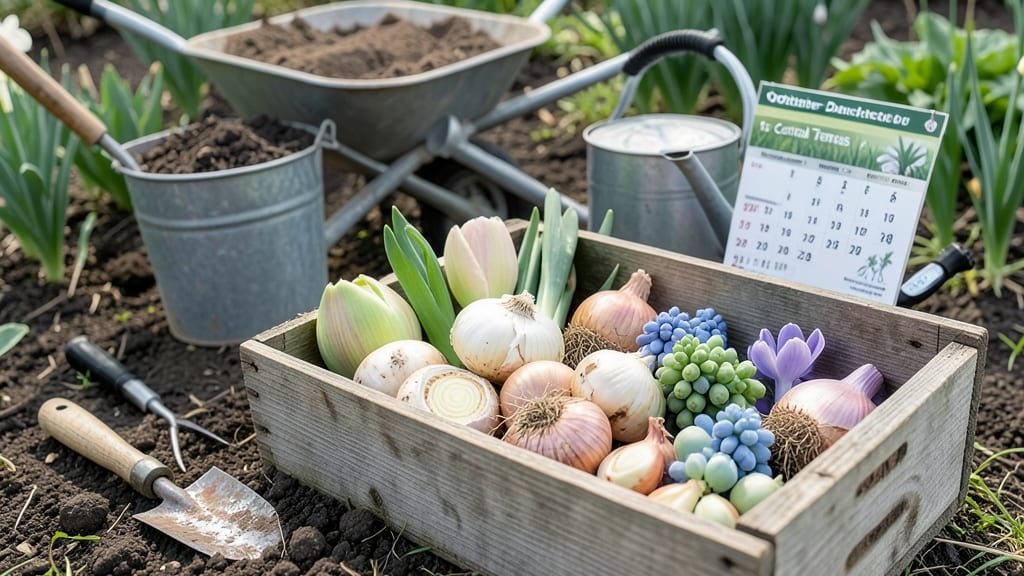
Planting bulbs in Central Texas requires timing them perfectly to beat the heat and avoid winter freezes—aim for late September through November for spring blooms.
Central Texas gardeners face a unique challenge: brutal summer heat and unpredictable winters. But with the right timing and heat-tolerant bulbs, you can still enjoy stunning spring blooms—here’s exactly when and how to plant them for success.
Most spring-blooming bulbs like tulips, daffodils, and crocuses thrive when planted in fall, but Central Texas’s 8a-8b climate demands extra care. Plant too early, and they’ll rot in the wet soil; too late, and they won’t establish before the heat arrives.
Below, I break down the exact months to plant, which bulbs handle Texas heat best, and how to prep your soil for long-lasting blooms—no guesswork, just proven results.
Best heat-tolerant bulbs for Central Texas planting: month-by-month guide
Central Texas summers can fry traditional bulbs, but heat-tolerant varieties like rain lilies (Zephyranthes) and spider lilies (Lycoris) thrive in our USDA Zone 8a-8b climate. The key? Planting at the right time—usually fall for spring blooms or early spring for summer flowers.
Let’s break down the best bulbs and their exact planting windows to beat the Texas heat.
Most gardeners assume fall planting is the only option, but Central Texas’s mild winters allow for spring planting of heat-loving bulbs like crimum lilies and agapanthus. The trick is avoiding late spring/early summer planting, which stresses bulbs with 100°F+ soil temperatures.
Instead, focus on September–November for fall-planted bulbs or February–March for spring starters.
Here’s a month-by-month breakdown of the best heat-tolerant bulbs and their ideal planting times to ensure vibrant blooms without summer stress:
For rain lilies, the August–September window is critical—they need to establish roots before 100°F+ soil arrives. Plant them 2–3 inches deep in well-draining soil to prevent rot. These bulbs are drought-resistant once established, making them perfect for Central Texas’s low-water gardens.
Spider lilies are another heat-loving powerhouse, blooming in late summer when most gardens are wilting. Plant them in September–October for fall color, and they’ll reward you with vibrant magenta blooms even in 105°F heat. Their 3–4 inch depth requirement ensures they stay cool underground.
If you’re dreaming of summer blooms, crimum lilies and agapanthus are your best bets. Plant crimums in February–March—they thrive in full sun and poor soil, making them ideal for Central Texas’s alkaline clay. Their 4–6 inch depth keeps them safe from summer’s intensity.
Agapanthus, or African lilies, love spring planting (March–April) and full sun exposure. These drought-tolerant bulbs produce blue or white pom-pom flowers that last all summer. Plant them 6–8 inches deep to protect their roots from heat stress.
Don’t overlook daffodils—they’re heat-tolerant once established and bloom in winter/spring, adding color to Central Texas’s mildest season. Plant them in October–November, 6–8 inches deep, for spring blooms before summer arrives. Their moderate heat tolerance makes them a safer bet than tulips.
Pro tip: Mulch heavily after planting to retain moisture and insulate roots. Use 2–3 inches of organic mulch like pine straw or shredded bark to protect bulbs from temperature swings and drought stress. Avoid synthetic mulches—they can overheat soil.
Finally, water deeply after planting and avoid overhead watering to prevent fungal diseases. Once established, most of these bulbs need little extra water, but newly planted bulbs require cons
Critical planting months in Central Texas: avoid these common mistakes
Timing is everything when planting bulbs in Central Texas. The region’s hot summers and unpredictable winters demand precise scheduling to avoid bulb rot or stunted growth. Most gardeners focus on fall planting for spring blooms, but even that window has strict boundaries.
For spring-blooming bulbs like tulips and daffodils, the ideal planting window is September through November. This gives bulbs time to establish roots before winter dormancy. Planting too early (like in August) risks rot from lingering summer heat and moisture.
⚠️ Critical Planting Mistakes in Central Texas
Planting too early: August heat can cause bulb rot before roots establish. Wait until soil temps drop below 80°F.
Planting too late: December or later may leave bulbs vulnerable to freeze-thaw cycles, stunting growth. Aim for 6-8 weeks before first frost (typically by November 15).
Spring planting: Never plant spring bulbs in April or May—they’ll bake in the heat and fail to bloom. Use heat-tolerant bulbs like spider lilies for summer planting instead.
If you miss fall planting, February to early March is your second chance for spring-blooming bulbs. However, this window is narrow—waiting until late March risks bulbs emerging too early and getting fried by April heat.
For summer-blooming bulbs like rain lilies, plant in late spring (April-May) when soil warms.
Watch for soil temperature cues: Use a soil thermometer to confirm temps are below 70°F before planting. In Central Texas, this usually aligns with mid-September. Overwatering in warm soil is another common mistake—stick to deep but infrequent watering after planting.
Pro tip: Mark your calendar for November 15 as the last day to plant most spring bulbs. After that, focus on heat-tolerant varieties or wait until February. The key is avoiding extremes—whether it’s summer’s scorching heat or winter’s unpredictable freezes.
Remember, bulbs need 6-8 weeks of root growth before dormancy. In Central Texas’ short winter, this means no delays. Plan ahead, and your garden will reward you with vibrant spring blooms despite the climate challenges. 🌷