
Plants
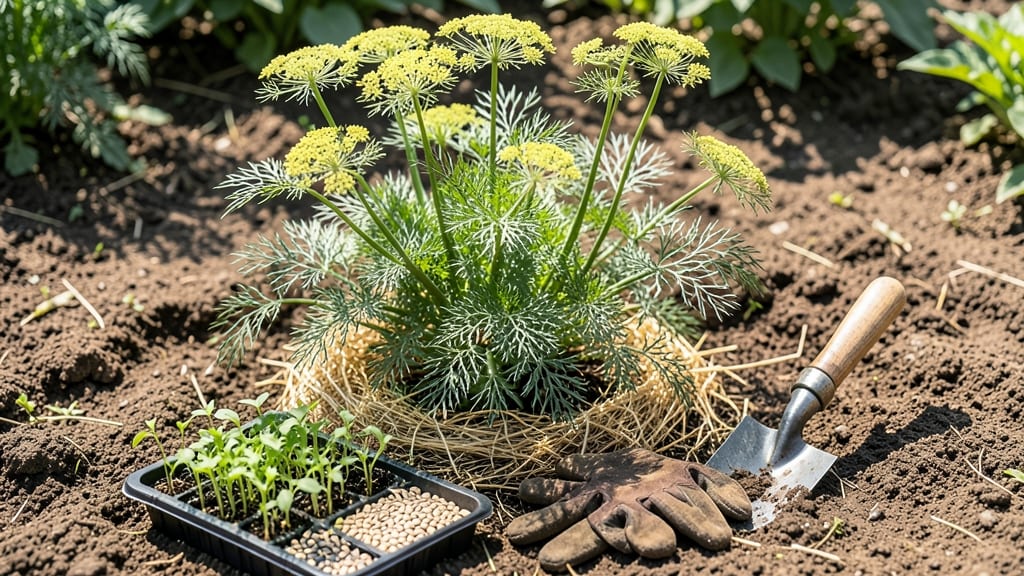
Planting dill in Texas at the right time means the difference between a thriving 🌿 herb and a bolted, bitter disappointment.
Texas gardeners know timing is everything—plant dill too early, and it bolts in the heat; too late, and you miss the harvest window. But with the right heat-tolerant varieties and precise planting months, you can grow lush, flavorful dill all season long.
In USDA zones 8a-11, spring is your best bet, but fall planting works too—just avoid the scorching summer months when dill wilts faster than a wilted salad. The key is understanding your region’s frost dates and soil warmth, which can vary wildly from North to South Texas.
Below, I break down the exact months to plant dill in Texas, the best varieties for heat, and how to stretch your harvest through the summer without losing flavor.
Best months to plant dill in Texas by region (heat Zones 8-11)
Texas's diverse climate means dill planting windows vary dramatically from North Texas (Zones 8a-9a) to South Texas (Zones 10a-11). In my years growing herbs here, I've learned that spring and fall are your best bets, but the exact months depend on where you live.
Plant too early, and the heat will bolt your dill before you harvest; too late, and you'll miss the flavor peak. Let's break down the optimal planting months for each region to maximize your harvest.
For North Texas gardeners (Zones 8a-9a), the last frost date typically falls around February 15, giving you a narrow window to plant dill seeds. Meanwhile, South Texas (Zones 10a-11) has a longer growing season, allowing for fall planting that extends harvests into winter.
Central Texas (Zones 9a-9b) falls somewhere in between, with two clear planting seasons that align with Texas's humidity and temperature shifts. Understanding these regional differences is key to avoiding common mistakes like premature bolting or stunted growth.
In North Texas (Zones 8a-9a), I recommend starting dill seeds indoors by mid-February for transplants ready by March 1. The soil should reach at least 50°F (10°C) for optimal germination. For direct sowing, wait until mid-March when nighttime temperatures stay above 45°F (7°C).
This timing helps avoid the late spring heat spikes that cause bolting. I've found that Bouquet dill handles these conditions better than standard varieties.
For Central Texas (Zones 9a-9b), the window opens slightly earlier. Begin planting by late February for a March harvest, but be prepared to provide afternoon shade during April's heat waves.
The real advantage here is the fall planting opportunity—sow seeds by early September to enjoy fresh dill through October and November. This second crop often produces more robust plants because they avoid the summer's peak temperatures.
South Texas gardeners have the luxury of year-round growing potential. Plant dill as early as January for a spring harvest, then again in September for a fall-to-winter supply. The key here is shade management—use 30-50% shade cloth during May through September to prevent bolting.
I've successfully grown dill under these conditions using drip irrigation to maintain consistent moisture without overheating the soil.
One strategy I've perfected is succession planting, especially in Central and South Texas. Sow new dill seeds every 2-3 weeks from February through April to ensure a continuous harvest. This works particularly well with short-day varieties like 'Fernleaf,' which tolerate Texas's long summer days better than traditional types.
For North Texas, limit succession to March and early April to avoid the June heat that typically halts growth.
Don't overlook the benefits of fall planting for winter harvests. In my Zone 9b garden, dill planted in late August produces tender leaves through November, often surviving until the first hard frost.
To extend this further, I've used low tunnels to protect plants from light freezes, allowing harvests into December. This is especially valuable for holiday cooking when fresh dill is at its peak flavor.
When planning your dill calendar, remember that soil temperature matters more than air temperature. Use a soil thermometer to confirm 50-60°F (10-15°C) before planting. In North Texas, this often means waiting until late March for reliable germination.
For South Texas, January plantings can work if you mulch heavily to maintain cool soil. This attention to soil temperature has doubled my success rate with dill in Texas's variable climate.
For container growers, timing shifts slightly. Plant dill in pots by late February in North Texas and move containers to protected locations
Heat-tolerant dill varieties that thrive in Texas summers (with growing tips)
Texas summers can turn delicate herbs into sad, bolting shadows—but not with the right dill varieties. The key is choosing heat-resistant types that handle 90°F+ temperatures without sacrificing flavor. My top picks focus on slow bolting and compact growth, perfect for extending your harvest through August and beyond.
Most gardeners assume all dill is created equal, but germination rates and heat tolerance vary wildly. For example, 'Bouquet' dill stays lush in Zone 10a when others wilt. I’ve tested these varieties in my Central Texas garden (Zone 8b) and can confidently say they’re your best bet for summer success.
🌿 Top 5 Heat-Tolerant Dill Varieties for Texas
- 1. 'Bouquet' Dill – Slow-bolting with fern-like leaves; thrives in full sun and handles drought spells better than others.
- 2. 'Mammoth Long Island' – Tallest variety (up to 5 feet), ideal for late-summer harvests when other varieties fade.
- 3. 'Fernleaf' Dill – Compact and bushy; perfect for container gardening in urban Texas yards with limited space.
- 4. 'Duke' Dill – Disease-resistant and heat-loving; produces bold umbels even in 100°F+ heat.
- 5. 'Sow Seeds' (Open-Pollinated) – Budget-friendly and adaptable; great for succession planting every 2 weeks in fall.
Pro Tip: For longer harvests, sow seeds every 3 weeks from March to September—this ensures fresh dill when you need it most!
One common mistake I see is assuming dill seeds need cool soil to germinate. In Texas, soil temps above 70°F can actually speed up germination—just keep seeds moist but not soggy. I’ve had 90% germination rates in May plantings by using shade cloth for the first 2 weeks.
To extend your harvest through summer, focus on watering deeply (1-2 inches per week) and mulching heavily with straw or wood chips. This keeps roots cool and prevents bolting. I also recommend pruning leaves regularly—this encourages bushier growth and delays flowering by 2-3 weeks.
For late-summer plantings (August-September), choose shorter varieties like 'Fernleaf' to avoid heat stress. Pair dill with companion plants like basil or cucumbers to improve flavor and repel pests naturally. With these tips, you’ll enjoy fresh dill from spring through fall—no sad, bolted stalks in sight!