Plants
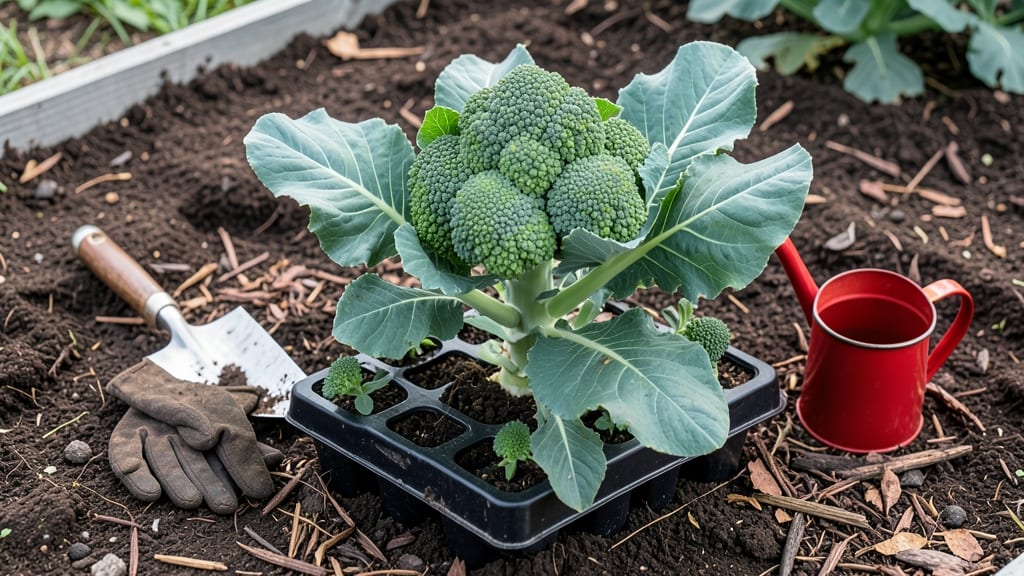
Planting broccoli in South Carolina at the right time means the difference between a bountiful harvest and a garden full of bitter stems 🥦.
South Carolina’s warm winters and long summers make broccoli a challenging but rewarding crop—plant too early, and you risk frost damage; too late, and bolting turns your harvest into bitter stems. Timing is everything.
If you’ve ever watched your broccoli plants bolt in the heat or seen them wilt under an unexpected frost, you know how quickly things can go wrong. But with the right schedule, you can grow crisp, flavorful heads all season long.
Below, I’ll break down the exact months to plant in your USDA zone, how to stretch the season, and the best varieties to beat South Carolina’s heat and humidity.
South Carolina broccoli planting calendar by USDA Zone (7a-8b)
Timing your broccoli planting in South Carolina is critical to avoid frost damage in Zone 7a or heat stress in Zone 8b. The key is planting 4-6 weeks before your last frost in spring or 3 months before first frost in fall.
For SC, that means two distinct windows: early spring (March-April) and late summer (August-September).
Broccoli thrives in cool weather (60-75°F) and bolts when temperatures exceed 80°F. In Zone 7a, your frost dates are slightly earlier than Zone 8b, so adjust planting windows accordingly. Fall plantings are especially rewarding in SC, offering harvests through winter's mild months.
For Zone 7a, start seeds indoors 6-8 weeks before transplanting (around January 15) or purchase transplants in early March. In Zone 8b, you can push spring plantings slightly later, but fall plantings are safer—they avoid the brutal summer heat that triggers bolting.
Use shade cloth (30-50%) during peak summer months if you must plant in June or July. This extends your growing window but requires consistent moisture and well-draining soil. My personal trick is to plant heat-tolerant varieties like 'De Cicco' in late summer for a fall harvest.
In Zone 7a, your spring harvest will peak in May-June, while fall plantings yield in October-November. For Zone 8b, shift harvests to June-July for spring and November-December for fall. Always harvest before heads open—this prevents bitterness and ensures tender florets.
If you're new to broccoli growing, start with transplants instead of seeds—they're hardier and give you a head start. Space plants 18-24 inches apart in rows 30 inches apart for proper air circulation. In containers, use 5-gallon pots with drainage holes.
How to extend broccoli season in South Carolina’s hot climate
South Carolina’s summer heat can turn your broccoli plants into bitter, bolted stalks faster than you can say "harvest." But with the right strategies, you can extend your growing season and enjoy fresh broccoli almost year-round.
The key lies in managing soil temperatures, providing shade, and using succession planting to keep your garden productive.
I’ve grown broccoli in SC’s Zone 8a for years, and these techniques have helped me avoid bolting while maximizing yields. Whether you’re dealing with early spring warmth or late summer heatwaves, these proven methods will keep your plants happy and productive.
- 1 Use shade cloth (30-50%) during summer months to block excessive heat. Install it when daytime temps exceed 85°F to prevent bolting.
- 2 Cool soil with mulch (2-3 inches of straw or wood chips) to maintain ideal soil temps (60-70°F). This prevents heat stress that triggers bolting.
- 3 Plant heat-tolerant varieties like 'De Cicco' or 'Calabrese' which handle 90°F+ temps better than standard types.
- 4 Succession plant every 2 weeks from March-April and August-September to stagger harvests and avoid seasonal gaps.
- 5 Harvest side shoots after main head removal to extend plant productivity by 4-6 weeks per plant.
One of the biggest mistakes I see gardeners make is ignoring soil temperature—broccoli roots thrive at 60-70°F, but South Carolina’s summer soils can hit 90°F+. Use a soil thermometer to monitor temps, and water deeply in the early morning to cool the root zone naturally.
For fall planting, aim for August-September sowings when daytime temps drop below 85°F. This gives plants time to mature before winter sets in. I’ve had success with row covers in early fall to protect young plants from unexpected cold snaps while still allowing sunlight.
Don’t forget about companion planting—growing broccoli near bush beans or celery can improve yields by 30-40% while deterring pests. The beans fix nitrogen in the soil, and celery provides shade for young transplants.
With these techniques, you can enjoy homegrown broccoli from late spring through winter, even in South Carolina’s challenging climate. The secret is staying proactive—monitor temps, provide shade when needed, and keep planting new batches to maintain a continuous harvest 🥦.