
Plants
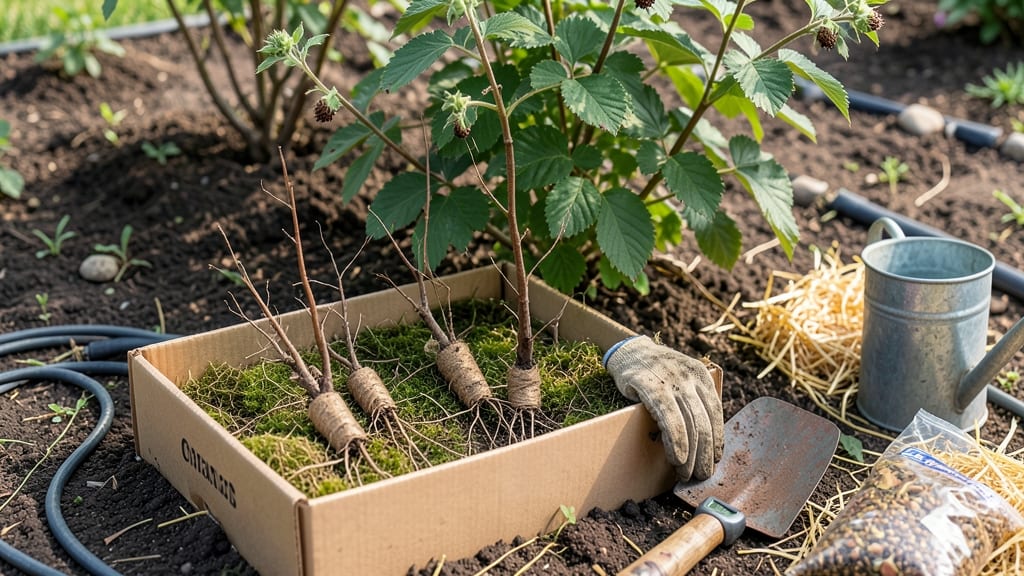
Planting blackberries in Oklahoma requires knowing exactly when to get them in the ground — too early and frost zaps the roots, too late and summer heat stunts growth.
You’ve probably heard that blackberries need chill hours, but Oklahoma’s 6a-8a zones complicate things. The ideal window is late winter to early spring (February-March) or fall (September-October), but timing depends on your microclimate.
Get it wrong, and you’ll spend a year watching canes struggle instead of thriving. The key is soil temperature (aim for 60–65°F) and knowing your last frost date — which can vary by three weeks across the state.
Below, I break down the chill-hour zones, soil prep tricks, and the one mistake that kills blackberry roots before they even take hold — plus how to adjust for Oklahoma’s unpredictable springs.
Best planting months for blackberries in Oklahoma’s chill-hour zones
Oklahoma’s chill-hour requirements (300-1,000 hours below 45°F) make timing critical for blackberry success. Most varieties thrive in USDA Zones 7a-8a, where late winter to early spring planting aligns with soil warming and bud break.
However, Oklahoma’s microclimates—from the cooler Ozark Plateau to the hotter Red River Valley—demand flexibility in your approach.
For Zone 7a (northern OK), aim for February-March plantings when soil temps reach 50°F+. In Zone 8a (south-central OK), extend planting to March-April to avoid early heat stress. Fall plantings in September-October also work but require 6-8 weeks for root establishment before winter dormancy.
Key chill-hour ranges for Oklahoma’s top blackberry varieties:
- ‘Natchez’ (300-500 hours)
- ‘Arapaho’ (500-700 hours)
- ‘Ouachita’ (700-900 hours)
Choose varieties matching your local chill hours to prevent poor fruiting.
Adjust your planting timeline based on local frost dates. Northern Oklahoma’s last frost averages March 15, while southern areas may see early March frosts. Use a soil thermometer to confirm 50°F+ soil temps before planting—cold soil stunts root growth.
For urban gardeners, microclimates near buildings or pavement can add 5-10°F warmth compared to open fields. Plant 1-2 weeks earlier in these spots. Conversely, windy areas like the Oklahoma Panhandle may need delayed plantings until late March to avoid frost damage.
Blackberries planted in fall (September-October) benefit from cooler temps and established roots before winter. However, avoid planting after October 15 in Zone 7a, as roots may not harden before frost. In Zone 8a, extend fall plantings to early November for optimal success.
Always soak bare-root canes in water for 2-4 hours before planting to revive roots. Space canes 3-4 feet apart in rows 6-8 feet wide for proper airflow. After planting, apply 3-4 inches of mulch to retain moisture and regulate soil temperature.
Monitor local weather forecasts for 10-day outlooks—planting during stable, dry periods reduces transplant shock. If rain is forecast within 48 hours, delay planting to prevent waterlogged soil, which causes root rot.
Pro tip: Mark your planting date on a calendar and note any unusual weather patterns. Oklahoma’s climate shifts can delay or accelerate growing seasons, so flexibility is key. With the right timing
Soil temperature and weather tricks to ensure blackberry root success
Blackberry roots are extremely sensitive to cold soil, which is why Oklahoma’s spring frost risks make timing everything. Even if your last frost date is March 15, soil temperature (not air temp) dictates when roots will establish. Aim for 60–65°F soil—any cooler, and roots stay dormant or rot.
I’ve planted blackberries in Zone 7a and 8a for years, and the biggest mistake is rushing canes into cold ground. Young roots need warmth to grow, but Oklahoma’s unpredictable springs can bring late frosts even after the official last frost date.
That’s why I always check soil temps with a soil thermometer before planting.
For fall plantings (September–October), the goal is to give roots 4–6 weeks to establish before first frost. In Zone 6a, that means planting by mid-September, while Zone 8a gardeners can push it to early October.
Mulching with straw or wood chips (3–4 inches) helps insulate roots during both spring and fall.
⚠️ Don’t Plant Too Early!
Oklahoma’s soil stays cold longer than air temps suggest. Planting blackberries in January or February—even with bare-root canes—risks root rot or frost damage. Wait until soil hits 60°F+ (use a soil thermometer), or delay until mid-March for Zone 7a and early March for Zone 8a.
Pro Tip: If soil is too cold, hold canes in a cool, dark place (like a garage) and replant when temps rise.
Row covers or frost blankets are my secret weapon for spring plantings. After setting canes, drape a lightweight cover over them for the first 2–3 weeks to shield against late frosts.
Remove covers when daytime temps stay above 50°F consistently. This buys roots critical time to establish before summer heat arrives.
For fall plantings, focus on watering deeply after planting to encourage root growth before dormancy. Reduce watering in late October to harden off canes, but keep soil slightly moist—never soggy. In Zone 6a, a thick mulch layer (4–6 inches) prevents heaving during freeze-thaw cycles.
Monitor weather forecasts for 10-day outlooks when planting. If a cold snap is predicted within 2 weeks of planting, delay or use row covers. Blackberries are perennial, so a one-week delay can save your entire plant from frost damage.