
Plants
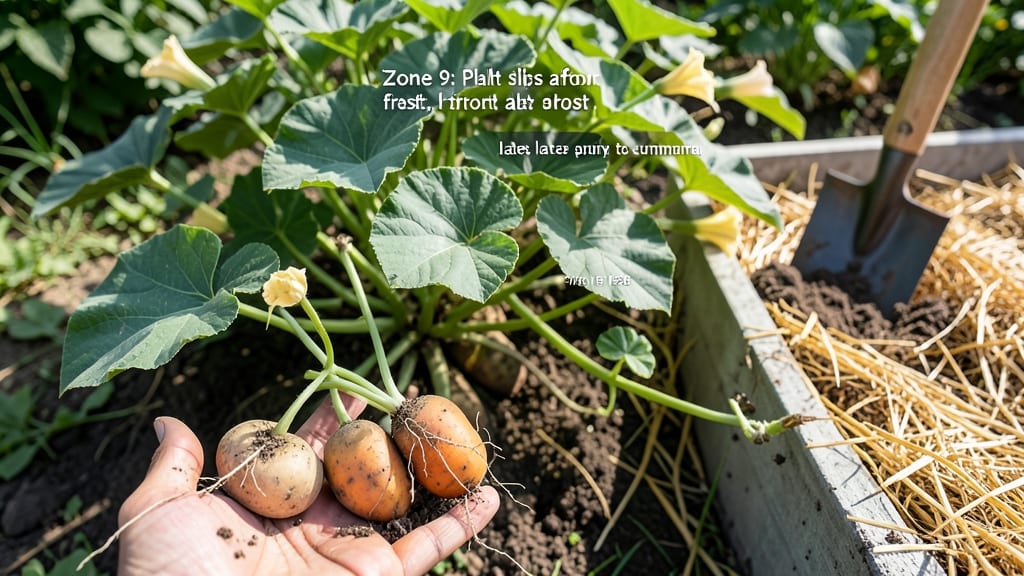
To plant sweet potatoes in Zone 9, aim for soil temperatures between 65-85°F—typically between March and April—when the ground is warm enough to encourage strong root growth without stressing the plants.
Sweet potatoes thrive in Zone 9’s warm climate—but planting them at the wrong time can mean stunted growth or even crop failure. Whether you’re starting with slips or seeds, timing is everything to avoid summer heat stress or missed harvest windows.
Most gardeners in Zone 9 skip the traditional spring rush and plant in late March or early April, when soil temperatures stabilize. This gives the vines enough time to mature before the peak summer heat arrives, ensuring sweeter, larger tubers.
Below, I’ll break down the exact soil temperature tricks, the best varieties for your region, and how to extend the growing season for a fall harvest—so you can enjoy homegrown 🍠 all year long.
Optimal soil temperature for planting sweet potatoes in Zone 9
Sweet potatoes in Zone 9 love warmth, but their growth hinges on one critical factor: soil temperature. Unlike cool-season crops, these tubers need consistently warm soil to establish strong roots and avoid stunted growth.
The ideal range sits between 65°F and 85°F, creating the perfect balance for germination and tuber development. Planting too early when soil is still cool can delay sprouting, while waiting too long risks heat stress during critical early stages.
Understanding this temperature window is especially important in Zone 9, where summer heat can be intense. Sweet potatoes planted in overly hot soil (>90°F) may struggle to establish roots before wilting. The key is timing your planting to align with soil warming trends—typically March to early April for spring plantings.
This ensures your slips (young plants) get a head start before summer’s peak heat arrives.
Testing your soil temperature is simpler than you think. Use a soil thermometer (inserted 2-3 inches deep) to check daily temperatures. Aim for 65°F for 5+ consecutive days before planting slips. Morning readings are most reliable, as afternoon temperatures can spike.
If your soil hasn’t warmed enough by late April, consider using black plastic mulch to accelerate heating—this can raise soil temps by 5-10°F within days.
Here’s why getting the timing right matters: Cool soil slows root growth, leading to smaller tubers, while overly hot soil stresses plants, causing wilting or even death. In Zone 9, where frost is rare, the real enemy is heat stress during establishment.
Planting too late (June or later) often results in poor yields because the plants focus energy on vines rather than tubers during the hottest months.
Early planting risks: Slower germination, increased pest pressure (like wireworms), and potential fungal issues if soil stays damp. Late planting risks: Heat stress, reduced tuber size, and higher water demands. The sweet spot? Planting when soil is warm but before consistent 90°F+ days arrive.
| Soil Temp Range | Best Planting Time | Risks of Wrong Timing | Zone 9 Notes |
|---|---|---|---|
| 65°F - 75°F | March - Early April | Slow germination, fungal risk | Ideal for spring slips; use mulch if soil is slow to warm |
| 75°F - 85°F | Mid-April - May | None (optimal window) | Best yield potential; aligns with natural warming |
| 85°F - 95°F | June - July | Heat stress, poor tuberization | Avoid unless using shade cloth; yields suffer |
| >95°F | August - September | Severe wilting, crop failure | Only for fall plantings with shade protection |
If your soil temperature hovers around 60°F or below, don’t rush to plant. Sweet potato slips won’t thrive in cool conditions, and you’ll waste time and resources. Instead, use row covers or wait a few weeks.
For fall plantings (September-October), aim for soil temps between 70°F and 80°F—this gives tubers time to mature before cooler weather arrives. In Zone 9, where frost is rare, fall plantings can even extend your harvest into winter if protected.
Pro tip: Monitor your local microclimate. Urban areas or low-lying spots may warm faster than rural or elevated gardens. If your soil hits 65°F by late February, you might plant early—just be prepared to protect young plants from unexpected cold snaps (though rare in Zone 9).
Conversely, high desert areas may need to wait until May for consistent warmth.
Once your slips are in the ground, maintain soil temps by mulching with straw or grass clippings. This keeps roots cool during heatwaves while retaining moisture. Avoid working the soil
Best planting months in Zone 9: avoiding summer heat stress
Zone 9 gardeners have a unique advantage with sweet potatoes—they can grow year-round, but timing is everything to avoid heat stress and poor yields. Unlike cooler zones, we don’t need to worry about frost, but late-season heatwaves can still scorch young plants.
The sweet spot? Planting in March-April when soil warms to 65-70°F but before summer’s peak intensity.
Sweet potatoes are heat-loving plants, but they hate sudden temperature swings. Planting too early in February risks cool soil and slow growth, while waiting until May exposes slips to intense afternoon sun that can cause wilting.
The key is balancing soil warmth with moderate temperatures—typically 75-85°F during the day.
March-April (Primary Window)
Soil temps: 65-75°F. Ideal for slips to establish roots before summer heat peaks. Use shade cloth if temps exceed 85°F.
May (Extended Window)
Soil temps: 75-85°F. Plant in late afternoon to reduce transplant shock. Mulch heavily to retain moisture.
September-October (Fall Backup)
Soil temps: 70-80°F. Perfect for a second harvest before winter rains. Choose disease-resistant varieties like Covington.
Avoid June-August
Soil temps often exceed 90°F, causing root scorch and poor tuber formation. If you must plant, use drip irrigation and black plastic mulch.
For a foolproof schedule, start slips indoors in February (if using seeds) or purchase healthy slips from nurseries in early March. Harden them off for 7-10 days before transplanting.
In Zone 9b, where summers are even hotter, consider succession planting in March, April, and September for staggered harvests.
Protect young plants from heat stress with these tricks: use white shade cloth (30-50%) during peak sun hours, water deeply early in the morning, and mulch with straw or wood chips to keep roots cool. If temps hit 100°F+, pause planting until evening when soil cools slightly.
Remember, sweet potatoes take 90-120 days to mature, so March-April plantings will yield harvests in late July-August—just as summer heat ramps up. Plan for shade structures or drip irrigation to maintain moisture during this critical period.
With the right timing, you’ll avoid the worst heat stress while still enjoying a bountiful harvest.
🌱