
Plants
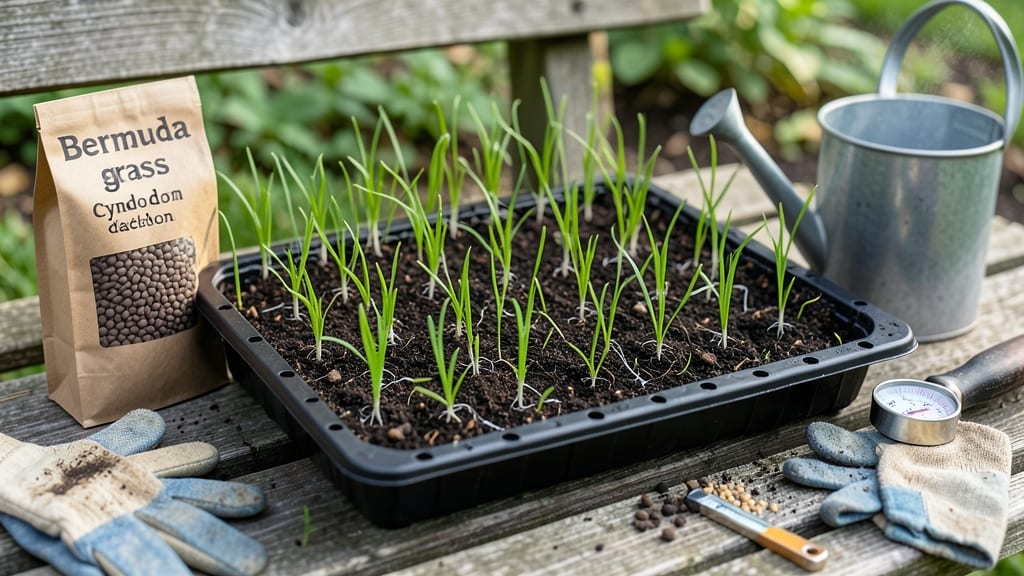
Planting Bermuda seed in North Texas at the right time means the difference between a lush, drought-resistant lawn and a patchy, slow-to-establish mess.
North Texas’ brutal summers and unpredictable spring rains can turn Bermuda grass 🌱 planting into a high-stakes gamble—plant too early and risk frost damage, too late and face slow establishment before heat arrives. Timing is everything for fast, reliable coverage.
You’re not just racing the calendar; you’re working with soil temperatures that must hit 65°F for seeds to germinate properly. That means waiting until late April or early June, when the ground is warm enough to avoid the "waiting game" of weak, uneven sprouts.
Below, I’ll break down the exact planting window for your region, soil prep secrets to outsmart North Texas clay, and the three critical mistakes that kill germination before it starts. No guesswork—just proven results for fast establishment.
Optimal planting window for Bermuda seed in North Texas (with exact dates)
Timing your Bermuda grass seed planting in North Texas hinges on two critical factors: soil temperature and frost risk. Unlike cool-season grasses, Bermuda thrives when soil reaches 65°F (18°C)—a threshold rarely met before late April in most of the region.
Planting too early exposes tender seedlings to late frost, while waiting too long delays establishment before summer’s brutal heat arrives.
North Texas spans USDA Zones 8a/8b, where Dallas-Fort Worth and Wichita Falls experience slightly different microclimates. The last average frost date for DFW is March 15, but soil warmth lags behind air temperature by 2–4 weeks.
Meanwhile, Wichita Falls’ drier climate warms faster, often allowing earlier planting by 10–14 days.
Here’s the science-backed window for optimal germination: late April through early June. This range accounts for:
- Soil temperature consistency above 65°F
- Frost-free probability exceeding 95%
- Summer heat arrival (Bermuda needs heat to establish)
For DFW residents, aim for April 25–May 15—this balances frost risk with soil warmth. In Wichita Falls, you can start 10 days earlier (April 15–May 5) due to faster soil warming. June planting is risky unless you’re using sprigging (not seed), as summer’s intensity can stress seedlings.
If you’re planting in late May, prioritize shade cloth for the first 2 weeks to protect seedlings from intense afternoon sun. Use 30–50% shade during 12–4 PM to reduce stress while maintaining light exposure.
Remove the cloth once seedlings reach 2 inches tall to harden them for full sun.
For DFW’s clay soils, pre-water the area 24 hours before planting to prevent seed-to-soil contact issues. Clay holds moisture but can suffocate seeds if too compacted. Wichita Falls’ sandy loam drains faster, so monitor soil moisture daily—keep it consistently damp (not soggy) until germination (10–14 days).
Pro tip: Use a soil thermometer to verify 65°F+ at 2-inch depth before planting. Early morning readings are most accurate. If temperatures dip below 60°F at night, delay planting until consistency improves—Bermuda seed won’t germinate below 60°F.
Once planted, mulch lightly with straw (not wood chips) to retain moisture and regulate soil temperature. Avoid thick mulch layers—¼ inch max—or you’ll smother seedlings. Water deeply twice daily (morning and late afternoon) for the first 2 weeks, then taper to 1–1.5 inches per week once established.
Remember: Bermuda grass is a warm-season powerhouse, but it won’t tolerate shade or cold. By planting within this late April–early June window, you’ll give your lawn the 6–8 week head start it needs to outcompete weeds and thrive through North Texas’ 100°F+ summers.
How to prepare North Texas soil for Bermuda seed success (step-by-step)
North Texas’ clay-heavy soils and alkaline pH can sabotage Bermuda seed germination if not prepped correctly. The key to success lies in soil pH adjustment, herbicide timing, and creating ideal moisture conditions—all tailored to our region’s extreme heat and summer droughts.
Let’s break down the exact steps to give your Bermuda grass the competitive edge it needs against weeds and poor soil structure.
Bermuda grass thrives in 6.0–7.0 pH soil, but North Texas soils often test between 7.5–8.5. Use a soil test kit (available at local garden centers) to confirm your pH. If your soil is too alkaline, amend it with sulfur or peat moss 4–6 weeks before planting.
For clay soils, mix in compost or sand to improve drainage—this prevents waterlogging, which Bermuda seed hates.
Weeds are Bermuda’s biggest enemy during establishment. Apply a pre-emergent herbicide like pendimethalin or prodiamine 2–4 weeks before planting to kill weed seeds without harming your Bermuda. Avoid post-emergent herbicides, as they’ll wipe out your new seedlings. Always follow label instructions for application rates and safety precautions.
Here’s your step-by-step soil prep checklist for North Texas Bermuda seed success:
🌱 Step-by-Step Bermuda Soil Prep
- 1 Test soil pH using a kit—aim for 6.0–7.0. Adjust with sulfur if too high.
- 2 Apply herbicide (pre-emergent) 2–4 weeks before planting to kill weed seeds.
- 3 Loosen top 4 inches of soil with a tiller or rototiller, breaking up clay clumps.
- 4 Mix in compost (2–3 inches) to improve drainage and fertility—critical for clay soils.
- 5 Level the soil with a rake, ensuring a smooth surface for even seed distribution.
- 6 Set up irrigation for daily light watering (keep soil moist but not soggy) until germination.
After planting, Bermuda seed needs consistent moisture to germinate, but North Texas heat can dry soil quickly. Use a sprinkler system or drip irrigation to deliver ¼ inch of water daily until seedlings emerge (typically 7–14 days). Once sprouted, reduce to 1–1.5 inches per week to encourage deep root growth.
Post-emergence, Bermuda grass will need fertilizer and mowing to outcompete weeds. Apply a high-nitrogen fertilizer (like 16-4-8) 4–6 weeks after germination, then every 6–8 weeks during the growing season. Mow at 1–2 inches tall to strengthen roots and shade out weeds—this is non-negotiable in our hot climate.
With these steps, your Bermuda grass will establish a dense, drought-resistant lawn that thrives in North Texas’ brutal summers. The key is preparation—don’t skip the soil test or herbicide timing, or you’ll be fighting weeds all season long. 🌱