
Plants
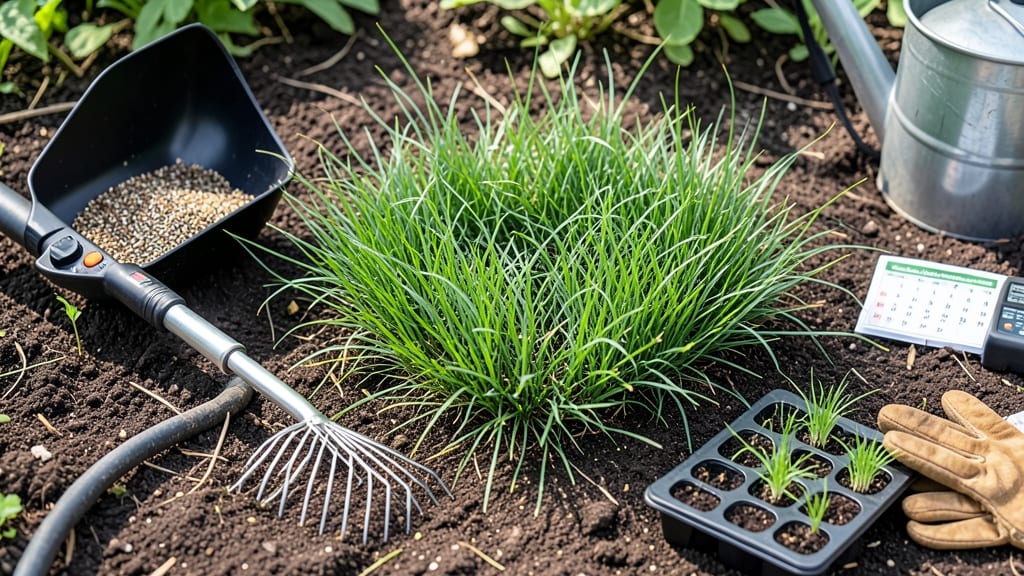
The best time to plant grass seed in Minnesota is late August through early October or early April to mid-May, when soil temperatures and frost risks align for success.
Minnesota’s unpredictable climate—from brutal winters to sudden spring freezes—can turn grass seeding into a high-stakes guessing game. Plant too early, and frost will kill your seedlings; too late, and weeds will steal your lawn’s spotlight.
This exact window maximizes germination, avoids frost damage, and outpaces weeds—backed by Minnesota’s USDA zones and local gardener insights. Below, I’ll break down the fastest methods for soil prep, seed selection, and post-planting care to ensure your new lawn takes root before winter sets in.
Whether you’re reseedng a patchy yard or starting from scratch, these proven steps will help you skip the trial-and-error and get a lush, frost-resistant lawn by next summer.
Minnesota grass seed planting calendar: month-by-month breakdown for zones 3-5
Timing is everything when planting grass seed in Minnesota, where USDA zones 3-5 bring early frosts and short growing seasons. The University of Minnesota Extension recommends two prime windows: late summer/fall (August–September) and early spring (April–May).
Fall planting gives seeds time to establish roots before winter, while spring planting avoids summer drought stress. Let’s break down the month-by-month best times, soil temperature thresholds, and frost risks to ensure your lawn thrives.
Your success hinges on soil temperatures between 50–65°F—critical for germination. Use a soil thermometer (available at garden centers) to check depths of 2–4 inches. In Minnesota, this typically aligns with late April to early May in spring and mid-August to early October in fall.
Northern zones (like Duluth in Zone 3) will need to adjust 1–2 weeks later than southern areas (like Rochester in Zone 5).
Pro Tip: Always plant 4–6 weeks before the first frost (usually mid-October in most of Minnesota). This ensures seeds germinate and develop roots before winter dormancy. For spring planting, aim for after the last frost date (mid-May in northern areas, earlier in the south).
| Month | Optimal Planting Window | Soil Temp (°F) | Frost Risk | Key Considerations |
|---|---|---|---|---|
| April | Late April (after last frost) | 50–65°F | Low (but watch for late frosts) | Weed competition peaks; use pre-emergent |
| May | Early to mid-May | 55–70°F | Very low | Ideal for Kentucky bluegrass; water deeply |
| June | Not recommended | N/A | High drought risk | Weeds dominate; avoid planting |
| August | Late August | 60–65°F | Moderate (first frost late Sept) | Best for tall fescue; cooler temps reduce weeds |
| September | Early to mid-September | 55–60°F | Low | Prime window for fine fescue; minimal weed pressure |
| October | Early October (Zone 5 only) | 50–55°F | High (avoid late planting) | Risky; seeds may not germinate before frost |
Spring planting in April–May offers faster germination but requires vigilance against weeds. Start with Kentucky bluegrass or tall fescue, which thrive in Minnesota’s climate. Water daily for the first 2 weeks to keep soil consistently moist.
In Zone 3 (northern MN), delay until mid-May to avoid late frosts, while Zone 5 gardeners can plant as early as late April.
Fall planting in August–September is often superior because cooler temps reduce weed competition and drought stress. Fine fescue and creeping red fescue are excellent choices for shaded areas. Plant <
How to prepare your lawn for fast germination (before, during, and after planting)
Fast germination starts with the right prep work. Minnesota’s cool-season grasses thrive when soil temperatures hit 50–65°F, but only if your lawn is primed for success. Skipping prep steps like soil testing or weed control can delay germination by weeks—or worse, invite crabgrass to take over.
Let’s break down the critical 3-phase checklist to ensure your grass seeds sprout quickly and stay ahead of weeds.
Before you even spread seed, test your soil’s pH level. Minnesota’s ideal range is 6.0–7.5—any lower, and nutrients like nitrogen become locked away. Grab a soil test kit (available at garden centers) or send a sample to the University of Minnesota Extension for a detailed report.
If your pH is off, amend it with lime (to raise pH) or sulfur (to lower pH) at least 4–6 weeks before planting to avoid burning tender seedlings.
Weeds are the #1 enemy of new grass. Apply a pre-emergent herbicide like pendimethalin or prodiamine 2–4 weeks before seeding to block weed seeds from germinating. For organic options, use corn gluten meal as a natural pre-emergent.
Timing is everything—post-emergent herbicides (like glyphosate) are a no-go; they’ll kill your grass seeds too.
🌱 Step-by-Step Prep for Fast Germination
-
📝 Step 1: Test Soil pH
Use a kit or lab test to confirm pH 6.0–7.5. Amend if needed with lime/sulfur 4–6 weeks before planting. -
🌱 Step 2: Clear Debris & Loosen Soil
Rake away rocks, thatch, and dead grass. Aerate compacted soil with a core aerator for better seed-to-soil contact. -
🚫 Step 3: Block Weeds
Apply pre-emergent herbicide 2–4 weeks before seeding. Avoid post-emergent sprays after planting. -
💧 Step 4: Spread Seed Evenly
Use a broadcast spreader for even coverage. Lightly rake seeds into soil (¼-inch deep) for optimal contact. -
🌧️ Step 5: 7-Day Watering Protocol
Water lightly 2x daily (morning/evening) for 7 days to prevent seed washout. After germination, water 1 inch per week. -
🪴 Step 6: Mulch Lightly
Apply straw mulch (¼-inch thick) to retain moisture. Avoid thick layers, which can smother seeds.
Once your seeds hit the soil, the 7-day watering protocol is non-negotiable. Newly planted seeds need consistent moisture to germinate—too much water can wash them away, while too little dries them out.
Water lightly twice daily (morning and evening) for the first week, keeping the top ¼-inch of soil damp. After germination (usually 7–14 days), shift to 1 inch of water per week, applied deeply 2–3 times per week. Always water in the early morning to reduce fungal risks.
After germination, resist the urge to mow too soon. Wait until your grass reaches 3–4 inches tall before the first cut—this ensures deep root growth. Use a sharp mower blade and never remove more than ⅓ of the blade height at once.
For the first few mows, set your blade to 3 inches to strengthen roots. Pair this with a light nitrogen fertilizer (like a 24-0-5 blend) to encourage lush, weed-resistant growth.
Mulching isn’t just for flowers—it’s a game-changer for new grass. Spread a thin layer (¼-inch) of straw mulch over seeded areas to lock in moisture and regulate soil temperature. Avoid thick mulch layers, which can suffocate seeds or attract pests.
In Minnesota’s fall planting window (late August–early October), mulch also protects seedlings from early frosts that can stunt growth. Pair this with a winter mulch layer (like leaves) after establishment for extra frost protection.