
Plants
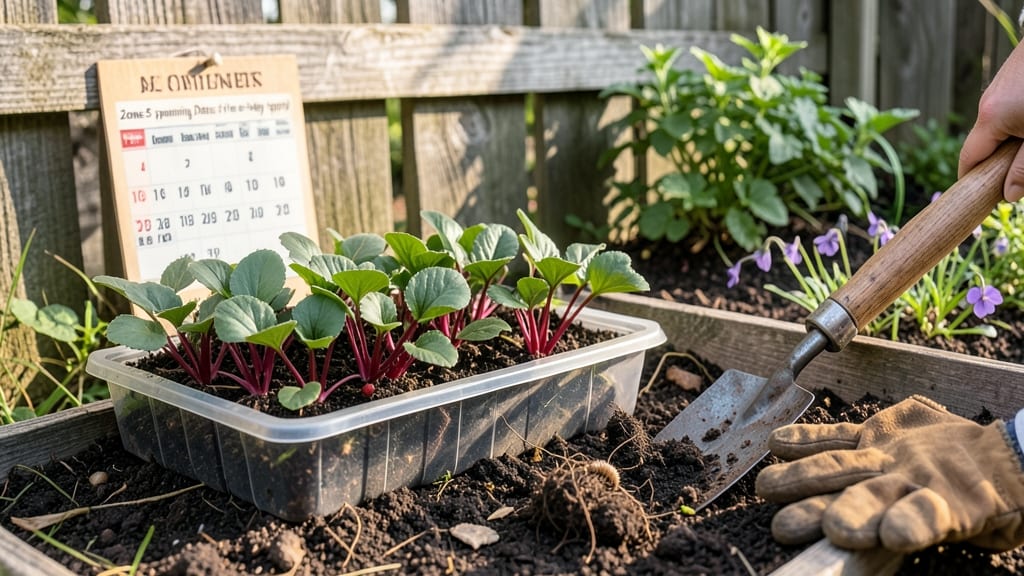
Planting beets in Zone 5 about 4–6 weeks before your last frost is the secret to tender, sweet roots that never turn woody.
You’ve sown seeds only to pull up tough, stringy beets that taste like dirt—because timing is everything. Too early, and the cold stunts growth; too late, and the heat sends them bolting before you even harvest. Get it right, and you’ll enjoy crisp, juicy beets straight from your garden.
In Zone 5, that means starting seeds indoors in early March or directly in the soil by late March, depending on your microclimate. For a fall harvest, aim for late July to early August, giving roots time to mature before the first frost.
Below, I’ll break down the exact weeks before last frost for your region, plus how to stretch your beet season with succession planting—so you’re never without fresh, homegrown 🍠.
Optimal planting weeks before last frost in Zone 5 for best beet harvests
In Zone 5, the 4-6 week window before your last spring frost is your golden opportunity to plant beets for the sweetest harvests. This timing ensures seedlings emerge when soil temperatures hit 45°F or warmer, preventing stunted growth.
For most of Zone 5, this means mid-March to early April, but regional variations exist—Midwest gardeners should aim slightly later than Northeast growers.
Beets are cool-season crops that bolt (flower prematurely) in heat, so planting too early risks exposure to late frosts that can damage tender seedlings. Conversely, waiting too long means your roots develop in warmer soil, leading to tough, fibrous textures.
The ideal soil temperature for germination is between 50°F and 85°F, but the sweet spot for flavor is cooler weather.
Early varieties like 'Detroit Dark Red' mature in 50-60 days and can handle slightly cooler soils, while late varieties like 'Chioggia' (55-65 days) need warmer conditions to develop properly. If your spring is particularly cold or wet, opt for early varieties to avoid bolting and ensure a harvest before summer heat sets in.
Here’s how to adjust for extended cool seasons in Zone 5: If your last frost date is late (like May 15 in some areas), start seeds indoors 4-6 weeks before transplanting outdoors. Use row covers or cold frames to protect seedlings from light frosts (down to 25°F for mature plants).
Soil preparation is key—amend your beds with compost or aged manure to improve drainage, as beets hate soggy roots. Test your soil pH; beets thrive in 6.0-7.0 range.
If your soil is too acidic, add lime; if too alkaline, mix in sulfur. A loose, crumbly texture encourages even root growth.
For successive harvests, sow seeds every 2 weeks after your initial planting. This staggered approach ensures a steady supply of fresh beets through late spring and early summer.
If you notice seedlings bolting (sending up flower stalks), immediately harvest the roots or provide shade cloth to cool the soil and delay flowering.
Watch for soil crusting after rains, which can smother seedlings. Gently scratch the surface with a hoe or sprinkle compost to keep it loose. Beets are self-thinning, but if seedlings get crowded, thin them to 3-4 inches apart to prevent competition.
Save the thinnings for beet greens, which are edible and packed with nutrients.
To maximize sweetness, avoid fertilizing heavily with nitrogen-rich amendments after planting. Too much nitrogen promotes leafy growth at the expense of root development. Instead, use a balanced 5-10-10 fertilizer sparingly, focusing on phosphorus and potassium to encourage root expansion.
Mulch with straw or grass clippings to retain moisture and suppress weeds.
If your last frost date is unpredictable, use biodegradable seed starter pots to get a head start indoors. Transplant seedlings outdoors when they have 2-3 true leaves and soil temperatures are consistently above 50°F.
Harden them off for 3-5 days by placing them outside during the day and bringing them in at night to avoid shock.
Remember, beets are versatile—you can harvest them at any size, from 1-inch "baby beets" to full-sized 3-inch roots. The key to success in Zone 5 is timing your planting window to align with cool soil temperatures and avoiding the heat that triggers
How to extend beet season in Zone 5: fall planting strategies for second harvests
Fall is the perfect time to plant beets in Zone 5 for a second harvest before winter sets in. By choosing the right timing and varieties, you can enjoy sweet, tender beets well into October or even early November.
The key is planting seeds 6-8 weeks before your first frost date, which typically falls around mid-October in most of Zone 5.
For a successful fall harvest, focus on cold-hardy varieties like 'Detroit Dark Red' or 'Golden', which tolerate cooler temperatures better than others. These varieties also resist bolting, a common issue when beets experience sudden temperature swings in late summer or early fall.
Start by preparing your soil with compost to improve drainage and fertility. Beets prefer loose, well-amended soil to develop their characteristic round shapes. Once your soil is ready, sow seeds ½ inch deep and 1-2 inches apart in rows spaced 12-18 inches apart.
⚠️ Critical Fall Planting Window
Planting beets in Zone 5 too early in fall risks bolting from heat stress, while waiting too long sacrifices harvest size. Aim for late July to early August—6-8 weeks before your first frost—for ideal results.
To maximize your harvest, use succession planting every 2 weeks after your initial sowing. This staggered approach ensures a continuous supply of beets as they mature at different rates.
For example, if you plant your first batch in late July, follow up with additional plantings in early August and mid-August.
Protect young seedlings from early frosts using row covers or low tunnels. These simple tools can extend your growing season by 2-4 weeks, allowing you to harvest beets well into November in milder Zone 5 microclimates.
Remove covers during the day to let sunlight reach the plants and prevent overheating.
Harvest beets when roots reach 1-3 inches in diameter and before they develop a woody texture. In fall, this typically happens 50-70 days after sowing, depending on variety and weather conditions. Pull beets gently from the soil, leaving the leafy greens attached to preserve their nutrients.