
Plants
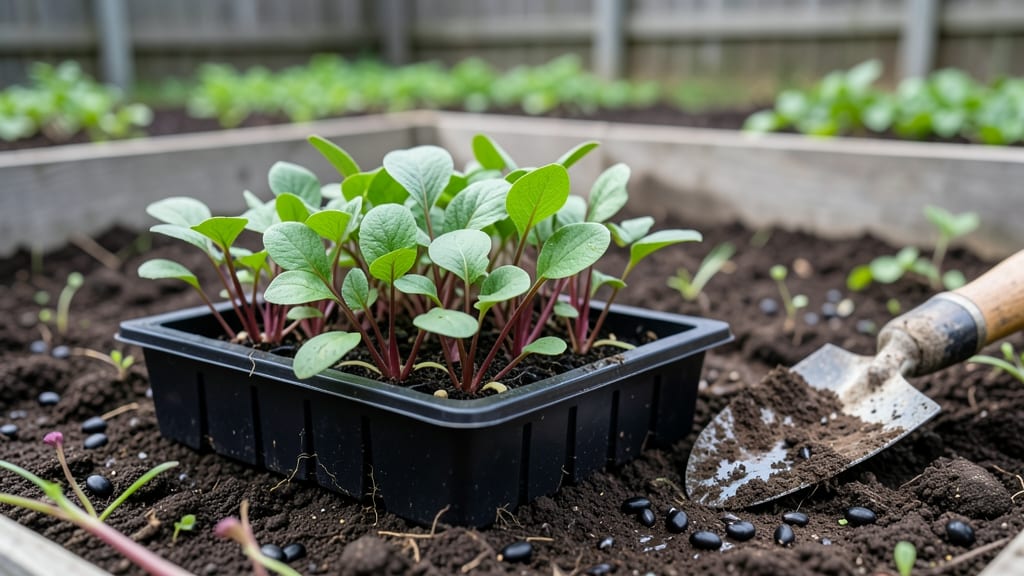
To plant beets in Louisiana, aim for late August through early October in fall and February to early March in spring—timing that avoids the brutal summer heat and bolting.
Louisiana’s humid climate and long growing season can make beet cultivation tricky—but timing is everything for sweet, tender roots. Plant too early, and you’ll face bolting; too late, and heat stress ruins your harvest.
Most gardeners in USDA Zones 8a-9b swear by these windows because they align with soil temperatures that encourage steady root growth without stress. The key? Start seeds when daytime highs hover around 70°F—that’s your sweet spot for avoiding both heat shock and premature flowering.
Below, I’ll break down the exact calendar dates by region, the heat-tolerant beet varieties that thrive here, and how to extend your harvest through smart mulching and shade tricks.
Best planting windows for beets in Louisiana’s climate zones
Louisiana’s humid subtropical climate (USDA zones 8a-9b) creates unique challenges for growing beets. Unlike northern states, we don’t have to worry about late spring frosts, but we DO face intense summer heat that triggers bolting.
The key? Planting during cooler months when soil temps stay below 75°F—this prevents bitter roots and premature flowering.
Beets thrive in Louisiana’s fall and spring windows, but timing varies by region. Northern Louisiana (Shreveport, Zone 8a) has slightly earlier frost dates than southern Louisiana (New Orleans, Zone 9b).
For example, Shreveport’s last frost is February 15, while New Orleans’ is March 1. These differences mean your planting schedule should adjust by 2-3 weeks depending on location.
Here’s the comparison table breaking down exact planting windows, soil temperature triggers, and regional adjustments for Louisiana’s two main climate zones:
| Planting Window | Zone 8a (Shreveport) | Zone 9b (New Orleans) | Soil Temp Trigger | Key Notes |
|---|---|---|---|---|
| Spring Planting | February 15 - March 15 | March 1 - March 31 | 50-65°F | Start seeds indoors 4-6 weeks before last frost for faster harvests. |
| Summer Planting | Avoid (too hot) | Avoid (too hot) | N/A | Beets bolt at >80°F; use shade cloth if attempting summer harvests. |
| Fall Planting | August 15 - September 15 | August 30 - October 1 | 60-75°F | Ideal window for sweet roots; harvest before first frost (Nov 15/Dec 1). |
| Winter Planting | November 1 - December 15 | December 1 - January 15 | 45-60°F | Slow growth; protect with mulch during cold snaps (<32°F). |
For spring planting, aim to sow seeds 4-6 weeks before your last frost date. In Zone 8a, this means starting seeds indoors by January 15, while Zone 9b gardeners can wait until February 1.
The goal is to have young seedlings ready to transplant when soil temps hit 50-65°F—ideal for germination without bolting risks.
Louisiana’s fall planting window is my favorite for beets because it aligns perfectly with cooler temps. In Zone 8a (Shreveport), plant from mid-August to mid-September to harvest before the first frost (November 15).
In Zone 9b (New Orleans), extend planting until early October since frosts arrive later (December 1). Always test soil temps with a soil thermometer—beets grow best when soil stays between 60-75°F.
If you’re in humid southern Louisiana, watch for fungal diseases like leaf spot during fall planting. Space rows 12-18 inches apart for airflow, and use drip irrigation to keep foliage dry.
In drier northern Louisiana, mulch heavily with straw or pine needles to retain moisture and regulate soil temps.
Pro tip: Use succession planting every 2 weeks during your zone’s planting window. This ensures a steady harvest and prevents overcrowding. For example, in Zone 9b, plant March 1, March 15, and March 31 for staggered spring harvests from April to June.
Remember, bolting is your enemy in Louisiana’s heat. If you miss the fall window, try shade cloth (30-50%) over summer plantings to keep soil temps below 75°F. Varieties like ‘Boltardy’ are bred for heat tolerance, but timing still matters most.
🌱
Heat-tolerant beet varieties that thrive in Louisiana summers
Louisiana’s 90°F+ summers can turn beets bitter and bolt prematurely—but the right varieties and strategies keep them thriving. I’ve grown these heat-resistant beets for years in Zone 9a, and they consistently deliver sweet, tender roots even when temps climb.
The secret? Bolting-resistant genetics and smart growing techniques like light shade cloth and mulching to retain moisture.
For summer harvests, focus on varieties that tolerate heat without sacrificing flavor. My top picks balance heat tolerance, bolting resistance, and adaptability to Louisiana’s humid climate.
These aren’t just survival crops—they’re flavor powerhouses that stay sweet even in the heat. Let’s dive into the top 5 heat-tolerant beets and how to grow them successfully.
| Variety | Heat Tolerance | Bolting Resistance | Best For | Growing Tip |
|---|---|---|---|---|
| Detroit Dark Red | High (90°F+) | Excellent | Classic flavor, storage | Direct sow in late August |
| Chioggia (Candy Stripe) | Moderate-High | Good | Visual appeal, salads | Use 30% shade cloth in peak heat |
| Boltardy | Very High | Superior | Summer harvests | Mulch with straw to retain moisture |
| Golden | Moderate | Fair | Mild flavor, quick harvest | Harvest young (1-2") to avoid bolting |
| Ruby Queen | High | Excellent | Dual-purpose (greens/roots) | Plant in partial shade afternoons |
My #1 recommendation for Louisiana summers is 'Boltardy' beets. This variety was bred specifically to resist bolting in heat, making it my go-to for late-summer plantings. I’ve had success growing it straight through September when most other varieties would have bolted.
The key is consistent moisture—I water deeply every 2-3 days and mulch heavily to prevent soil from drying out.
For visual appeal, 'Chioggia' (aka Candy Stripe) adds gorgeous pink-and-white rings to your plate. These stay sweeter in heat if you provide light afternoon shade using a 30% shade cloth.
I drape it over my raised beds during the hottest hours (12-4 PM), which also reduces stress on the plants. The striped roots are perfect for slicing into salads or roasting whole.
Extending your beet-growing season in Louisiana requires a few tricks. First, always direct-sow seeds—never transplant seedlings, as they struggle with heat shock. Second, use black plastic mulch to warm soil in spring or straw mulch to cool it in summer.
I’ve also had success with succession planting: sow a new batch every 2 weeks from August through October to ensure a continuous harvest.
Even with heat-tolerant varieties, bolting can still occur if nights stay above 75°F. To prevent this, I harvest young (when roots are 1-2 inches) or focus on leafy greens if the roots become tough.
The greens are edible and packed with nutrients—just don’t let them flower, as they’ll turn bitter. With these strategies, you can enjoy homegrown beets from spring through fall in Louisiana’s climate.