
Plants
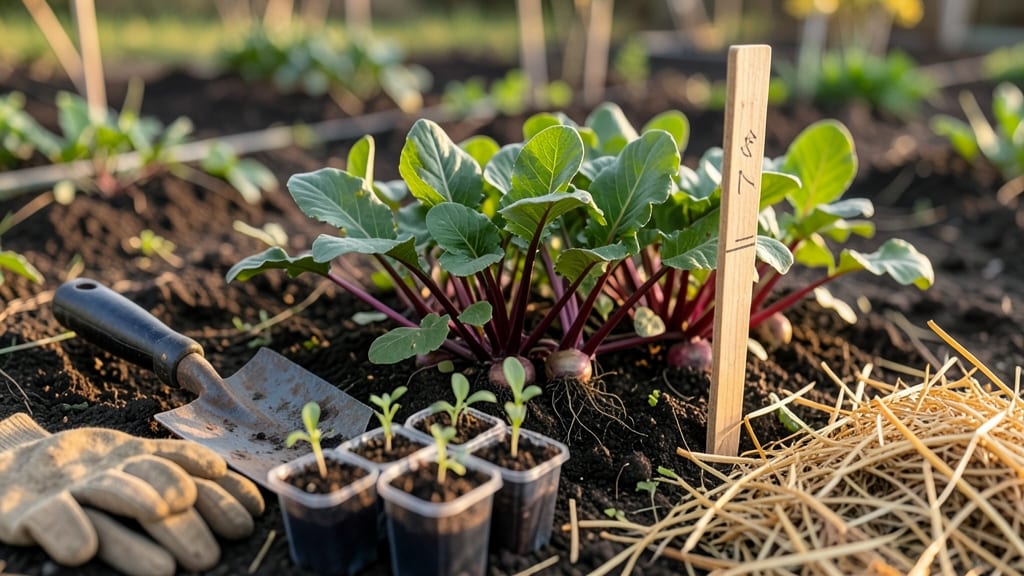
Planting fall beets in Zone 6 between late summer and early fall ensures sweet, tender roots before frost 🍠—the key to avoiding bitter harvests or wasted effort.
If you’ve ever pulled a beet from the garden only to find it woody or underwhelming, you know timing is everything. A 4-6 week window before your first frost is non-negotiable, but even within that, a few weeks can mean the difference between a crisp harvest and disappointment.
Zone 6’s unpredictable weather—especially in sub-zones 6a and 6b—makes this even trickier. Too early, and your beets bolt in the heat; too late, and frost ruins them before they mature.
The good news? With the right dates, soil prep, and a little frost protection, you can enjoy homegrown beets straight through winter.
Here’s exactly when to plant, how to adjust for your specific sub-zone, and the 3 simple steps to keep your fall beets thriving until harvest—no guesswork required.
Exact planting windows for fall beets in Zone 6: months and deadlines
In Zone 6, timing your fall beets correctly means the difference between sweet, tender roots and bitter, woody failures. The ideal 6-week planting window starts in mid-July and ends by late August. This ensures your beets mature before the first frost—typically around mid-October in most of Zone 6.
Beets need 60-70 days to reach harvest size, so planting too early in summer can lead to bolting (flowering) or over-mature roots. Conversely, planting too late risks stunted growth from early frosts. Let’s break down the exact deadlines and soil temperature thresholds to nail your harvest.
📅 Key Dates for Zone 6:
- First planting: July 15–20 (early succession)
- Peak planting: August 1–15 (best window)
- Last planting: August 20–30 (late succession)
- First frost: October 10–15 (varies by sub-zone)
| Planting Stage | Zone 6 Deadline | Soil Temp Threshold | Days to Frost | Notes |
|---|---|---|---|---|
| First Succession | July 15–20 | 55–65°F | 80–90 | Early harvest; best for baby beets |
| Peak Planting | August 1–15 | 60–70°F | 60–70 | Ideal for full-sized roots |
| Late Succession | August 20–30 | 50–60°F | 45–55 | Risk of stunted growth; use frost cloth |
| Soil Prep | June 1–July 15 | 60°F+ | N/A | Add compost; test pH (6.0–7.0) |
| Harvest Window | September–November | 40–50°F | 0–30 days before frost | Pull before hard freeze; store roots |
To calculate your last planting date, subtract 60 days from your average first frost date. For example, if frost hits October 15, your final planting should be by August 15.
Use a frost calendar for your specific city—Zone 6 spans from Chicago to Atlanta, so dates vary by 5–10 days.
For succession planting, sow seeds every 2–3 weeks between July and August. This stretches your harvest and prevents overcrowding. Space seeds 1 inch apart in rows 12 inches apart for optimal growth. Thin seedlings to 3–4 inches apart when they’re 2 inches tall to avoid competition.
Watch for soil temperature—beets germinate best when soil is at least 50°F. Use a soil thermometer to confirm. If temperatures drop below 45°F, germination slows dramatically. In northern Zone 6 (e.g., Madison, WI), wait until late July to avoid cool soil.
In southern Zone 6 (e.g., Atlanta, GA), you can plant as late as early September.
Pro tip: Mulch with straw or leaves after planting to retain moisture and regulate soil temperature. This is especially critical in dry spells or heatwaves, which can stress young seedlings. Keep mulch 2 inches away from stems to prevent rot.
If your first frost arrives early, protect mature beets with frost cloth or a low tunnel. Beets can tolerate light frosts (down to 25°F) but will bolt if exposed to hard freezes. Harvest before temperatures drop below 20°F for the best flavor and texture.
Remember: Sweetness peaks when beets grow slowly in cooler weather. Planting in late August often yields the most flavorful roots because the shorter daylight triggers natural sugar accumulation.
How to adjust planting dates for Zone 6’s unpredictable fall weather
Zone 6’s fall weather can be a double-edged sword for beet growers. One week you’re battling 90°F heatwaves, the next you’re scrambling to protect plants from early frosts. The key to success? Flexible planting dates and smart adjustments based on your local microclimate.
Most gardeners in Zone 6 aim for a late July to early August planting window, but if your fall brings unexpected warmth or cold snaps, you’ll need to adapt. Even a 10-day shift can mean the difference between a thriving harvest and wasted seeds.
Here’s how to stay ahead of Zone 6’s unpredictable weather—whether you’re dealing with unseasonable heat, drought stress, or premature frost. These tricks will help you extend your harvest by 4+ weeks and keep your beets sweet and tender.
⚠️ Warning: Don’t Plant Too Early!
Beets planted in mid-to-late June risk bolting in Zone 6’s summer heat. If your soil stays above 75°F for more than 2 weeks, your beets will develop woody, bitter roots instead of sweet harvests.
Solution: Wait until soil temps drop below 70°F (check with a soil thermometer) or use shade cloth to protect seedlings.
For late-planting adjustments, focus on cold-hardy varieties like Detroit Dark Red or Golden. These can tolerate light frosts once established, giving you a 3-week extension into October. Pair this with row covers or straw mulch to shield plants from sudden temperature drops.
Soil prep is your first line of defense against fall’s unpredictability. Amend your beds with compost and aged manure to improve drainage and moisture retention. Beets hate soggy soil, so raised beds or slightly elevated rows help prevent rot during unexpected rain spells.
To extend your harvest window, try succession planting every 2 weeks from late July through mid-August. This staggered approach ensures a steady supply of beets, even if early plantings get nipped by frost. Pair this with drip irrigation to maintain consistent moisture without overwatering.
When frost finally arrives, don’t panic—beets are one of the most cold-tolerant garden crops. Light frosts (28°F) actually sweeten the roots, making them ideal for winter storage.
Use row covers or cold frames to protect plants until you’re ready to harvest, and you’ll enjoy fresh beets straight through December.