
Plants
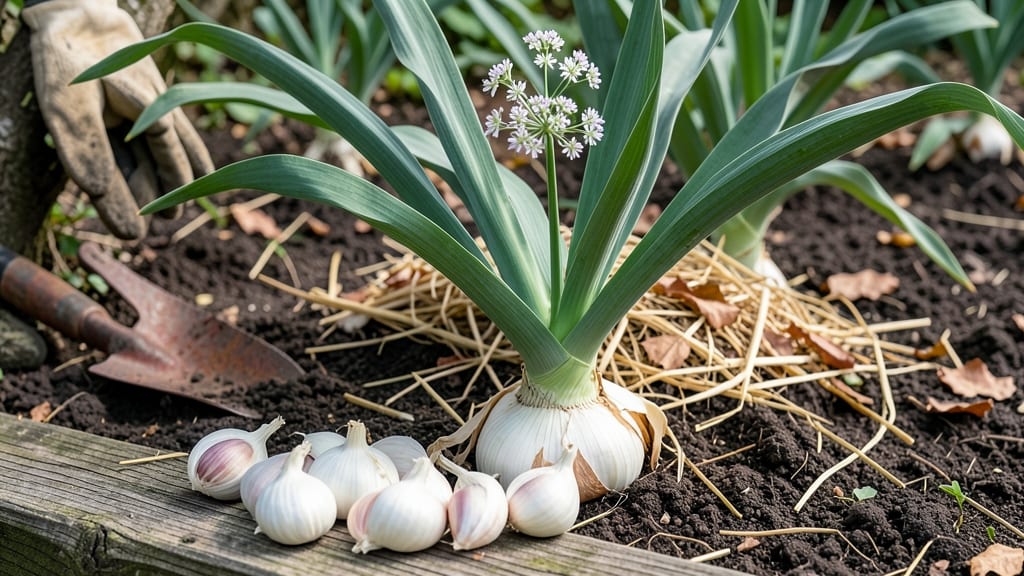
To plant garlic in Ohio spring, aim for mid-March to early April when soil temperatures hit 32-40°F — the sweet spot for root growth before the last frost.
Ohio gardeners know timing is everything—plant garlic too early, and frost ruins your crop; too late, and you miss peak harvest season. But with the right soil temperature tricks, you can master the perfect planting window for zero-frost success.
Spring planting works in Ohio’s USDA Zone 6a, but it requires patience: cloves need 90-120 days to mature, so don’t wait until April 15 (the average last frost date) to get them in the ground.
Below, I’ll break down the exact soil tests to trust, how deep to plant those 🧄 cloves, and why spacing matters more than you think—plus a bonus trick to extend your harvest window by two weeks.
Ohio spring garlic planting calendar: soil temperature zones and frost dates
Ohio’s variable climate makes spring garlic planting tricky—get it wrong, and you’ll either lose your crop to frost or miss the ideal harvest window. The key? Soil temperatures between 32-40°F and precise timing tied to your USDA zone (typically 5-6 in Ohio).
Unlike fall planting, spring garlic demands patience—don’t rush it when the ground thaws too quickly.
Hardneck varieties (like German White or Music) thrive in Ohio’s cooler springs, while softnecks (such as Silverskin) need slightly warmer soil. Last frost dates vary by county—Columbus averages April 15, but northern Ohio (like Toledo) can wait until May 1.
Use these microclimate differences to your advantage for a foolproof harvest.
🌱
For northern Ohio (Zone 5a), aim to plant garlic cloves by early April when soil temps stabilize at 32-38°F. Use a soil thermometer—if it’s colder, wait.
In central Ohio (Zone 5b), you can start as early as late March, but don’t rush; garlic planted in 45°F+ soil often bolts prematurely. Southern Ohio gardeners (Zone 6a) have the earliest window—mid-February—but monitor for unpredictable late frosts.
Hardneck varieties like Chesnok Red or Music are your best bet for Ohio’s spring planting. They handle cooler soils better and produce larger bulbs with scapes (those edible garlic stems). Softnecks like Silverskin store longer but need warmer soil (38-42°F) and are riskier in northern Ohio.
Pro tip: Chit your cloves (sprout them indoors) 2-3 weeks before planting to jumpstart growth.
Ohio’s microclimates can shift planting windows by weeks. Urban areas like Columbus often warm faster than rural farmland, while valleys (like the Appalachian foothills) stay colder longer. Check Ohio State University Extension’s frost maps or use a local weather station for real-time data.
If you’re unsure, plant a test row in late March—you can always mulch heavily to protect against late frosts.
Timing isn’t just about frost—it’s also about daylength. Garlic planted too late (after April 15) may not mature before Ohio’s hot summers stress the bulbs. For a double harvest, plant half your cloves in early spring and half in fall.
Use row covers if frost threatens after planting; they add 5-10°F protection without smothering the soil.
🌿
Don’t let Ohio’s unpredictable springs derail your garlic dreams. The 32-40°F soil rule is your golden ticket—combine it with last frost dates, and you’ll nail the perfect planting window.
Hardnecks for cooler zones, softnecks for warmth, and always chit your cloves for a head start. With these tricks, you’ll harvest plump bulbs by mid-summer
5 Signs your Ohio soil is ready for garlic (and 3 common mistakes to avoid)
Spring garlic planting in Ohio isn’t just about dates—it’s about soil conditions. Your 🧄 cloves need 32-40°F soil to root before shoots emerge, and Ohio’s USDA Zone 6a can swing wildly between frost and warmth. Here’s how to test readiness without a fancy thermometer.
First, check moisture levels by squeezing a handful of soil. It should hold shape but not be soggy—think damp sponge, not mud. Too wet? Wait 2-3 days; too dry?
Water deeply and cover with mulch to retain moisture. Garlic hates waterlogged roots, which Ohio’s spring rains can easily create.
Next, perform the finger test: Stick your finger 2-3 inches deep. If the soil feels cool but not icy, it’s prime. For extra accuracy, use a soil thermometer—anything below 32°F risks frost damage, while above 50°F may stress cloves. Aim for that 32-40°F sweet spot for root establishment.
Now for the texture check: Crumble soil between your fingers. Ideal garden loam should feel gritty yet crumbly, like dark chocolate. Sandy soil? Amend with compost to improve water retention. Clay-heavy? Mix in peat moss to loosen it—garlic roots need air, not suffocation.
⚠️ WARNING: Ohio Spring Planting Pitfalls
Mistake #1: Overwatering – Ohio’s spring showers make gardeners lazy, but garlic rots in soggy soil. Water only when top 1-2 inches are dry, and always in the morning to prevent fungal diseases like white rot.
Mistake #2: Planting Too Deep – Burying cloves deeper than 2 inches starves them of oxygen. Use the “thumb rule”: Depth = 3x the clove’s height (usually 1.5-2 inches). Too shallow? Birds will snack on your crop.
Mistake #3: Ignoring pH – Ohio’s soil often tests acidic (below 6.0), but garlic thrives at 6.0-7.0. Test your soil—if it’s off, add lime (to raise pH) or sulfur (to lower it) 4-6 weeks before planting. No test kit? Plant a pH indicator plant like blueberries (acid-loving) nearby to gauge your soil’s lean.
Don’t overlook sunlight exposure—garlic needs 6+ hours of full sun daily. Ohio’s spring clouds can trick you, so mark your planting spot now. If your garden gets less than 5 hours, choose a south-facing bed or use reflective mulch to maximize light.
Finally, time your planting by the last frost date. While Ohio’s average is April 15, microclimates vary. Plant 4-6 weeks before your local last frost—so if your area frosts April 22, aim for mid-March. Pro tip: Use row covers for extra protection if late frosts linger.
Ready to plant? Grab your 🧄 cloves, amend that soil, and watch your Ohio garlic thrive—no frost, no stress! 🌱