
Plants
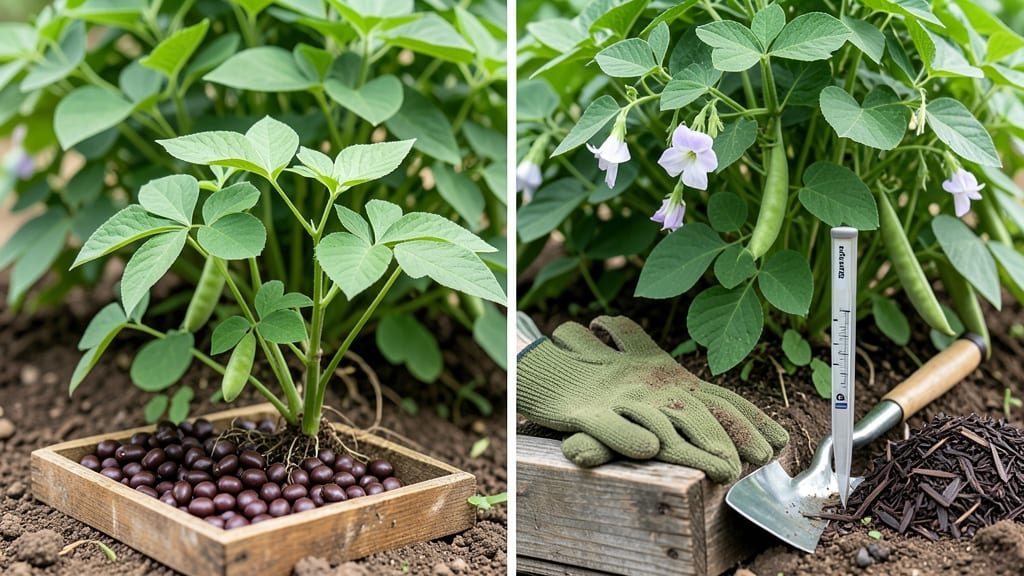
Planting beans in Maine means timing them perfectly between mid-May and late June—after the last frost and when soil warms to 60°F—or risk losing your harvest to chilly nights.
Maine’s short growing season and unpredictable weather can turn a promising garden into a gamble if you plant too early. But with the right strategy, you can enjoy fresh 🌱 beans from July through September, even in zones 5-6.
Whether you’re growing bush beans, pole beans, or cold-tolerant varieties, the key is knowing when to start seeds indoors and when to transplant—plus how to protect young plants from late frosts.
I’ll walk you through the exact frost-free timeline, soil prep tips, and even ways to extend your harvest into early fall.
By the end, you’ll know not just when to plant, but how to give your beans the best shot at thriving in Maine’s climate—no guesswork required.
Maine’s frost-free planting zones for beans: exact dates by variety
Maine gardeners know that timing is everything when it comes to growing beans. With last frost dates ranging from May 15 in southern Maine to June 1 in the north, you’ll need to adjust based on your location.
Beans thrive in 60°F+ soil temperatures, so waiting for the right conditions is critical to avoid stunted growth or frost damage.
Most bush beans and pole beans prefer to be planted after the last frost, but some cold-hardy varieties can handle earlier sowings. The key is balancing warm soil with frost-free nights. In Maine’s short growing season, getting this right means the difference between a bountiful harvest and wasted effort.
Below is a variety-specific planting guide tailored to Maine’s climate, including ideal dates, soil prep, and frost protection tips for each type. Whether you’re a beginner or a seasoned gardener, these exact dates will help you maximize your yield before the first frost hits in mid-October.
For bush beans, aim to plant between May 20 and June 10 once the soil warms to 60°F. These compact varieties mature quickly, making them ideal for Maine’s short season. Use a soil thermometer to confirm readiness—cool soil delays germination and weakens seedlings.
If you’re growing pole beans, wait until May 25–June 15 when soil reaches 65°F+. Pole beans need warmer soil to germinate consistently, and their longer vines benefit from the extra growing time before frost. Plant near a trellis or fence to save space and improve air circulation.
Cold-hardy varieties like 'Provider' are your best bet for early sowings, as they tolerate 55°F soil and can be planted as early as late April. Protect them with frost cloth or cloches until the last frost date. These varieties are slower to mature but reward you with an earlier harvest.
Don’t overlook late-season varieties like 'Black Turtle Soup' for a fall harvest. Plant these between June 1 and July 1 to ensure they mature before Maine’s first frost in mid-October. These beans are heat-tolerant and thrive in the warmer late-summer soil.
To extend your planting window, consider succession planting every 2–3 weeks after your initial sowing. This staggered approach ensures a continuous harvest and maximizes your garden’s productivity. For example, plant half your bush beans in late May and the rest in early June.
Always monitor your local frost forecast and be ready to protect young plants with row covers or plastic tunnels if an unexpected cold snap occurs. Even a light frost can damage tender bean leaves, so stay vigilant until your plants are well-established.
Remember, beans are nitrogen-fixers, meaning they improve soil health as they grow. After harvesting, consider leaving the roots in the soil to enrich it naturally for next year’s crops. With the right timing and care, your Maine bean garden can yield pounds of fresh pods all summer long!
How to extend the bean-growing season in Maine’s short summers
Maine’s 165 frost-free days mean we need to work smarter, not harder, to keep our bean plants producing until late September. The secret? Succession planting and frost protection—two strategies that can turn a short season into a long harvest.
I’ve found that combining cool-tolerant varieties with simple frost barriers can add 3-4 extra weeks to your bean harvest. Even if you’re new to gardening, these methods are easy to implement and make a huge difference in your yield.
Here’s my step-by-step guide to extending your bean season, including the best varieties for Maine’s climate and how to protect them when temperatures dip.
- 1 Start with cold-hardy varieties like ‘Provider’ or ‘Kentucky Wonder’ pole beans, which tolerate 50°F nights better than standard types.
- 2 Use row covers (like floating row covers) to protect young plants when nighttime temps drop below 55°F. Remove during the day for sunlight.
- 3 Plant in succession every 2 weeks from late May through early July. This ensures a steady supply of beans as early plantings mature.
- 4 Use cloches or mini greenhouses for late-season plants. These can push harvests into early October in sheltered spots.
- 5 Choose shorter varieties like ‘Blue Lake’ bush beans (mature in 50-55 days) to fit Maine’s shorter season and avoid late-season frost damage.
For me, the game-changer has been succession planting. Instead of planting all my beans at once, I stagger them in 2-week intervals from late May through early July. This way, when the first batch starts producing in July, the later plantings are just getting established, ensuring a continuous harvest.
I also swear by row covers—they’re lightweight, breathable, and can protect plants from light frosts down to 28°F. I use them at night and remove them during the day to let sunlight in.
For even more protection, I’ve added cloches over my late-season plants, which have let me harvest beans well into October in some years.
Don’t overlook soil preparation either. Beans need well-draining soil with a pH of 6.0-7.0. I mix in compost before planting to give them a nutrient boost, and I always water deeply in the morning to prevent fungal diseases that thrive in damp conditions.
With these strategies, you can turn Maine’s short growing season into a long, productive bean harvest—no matter how early the frost comes. The key is planning ahead and being ready to protect your plants when temperatures dip.