Companion Plants
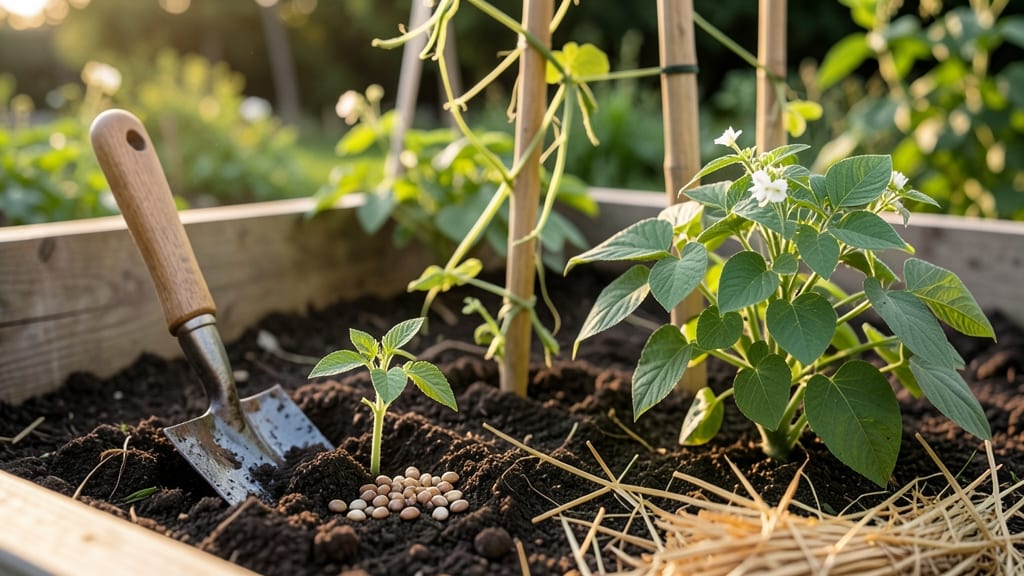
Planting beans in Indiana after your last frost date — around mid-April for most of the state — is the key to fast, healthy growth 🌱.
Indiana gardeners know timing is everything—plant beans too early, and frost will kill them; too late, and you’ll miss peak harvest season. But with the right schedule, you can grow lush, fast-growing beans all summer long.
In USDA Zone 6a, your window runs from April 15 to June 1, but soil temperature matters just as much as the calendar. Wait until the ground warms to 60°F before sowing, or germination will stall.
Below, I break down the exact weeks before last frost for pole beans, bush beans, and heirloom varieties, plus regional tips for northern vs. southern Indiana to maximize your harvest.
Indiana bean planting calendar: exact weeks before last frost for best yields
Growing beans in Indiana requires precision timing to avoid frost damage while maximizing your harvest. Since Indiana spans USDA Zones 5 and 6, your exact planting window depends on whether you're in northern or southern Indiana.
The average last frost date ranges from April 15 in the south to May 1 in the north, creating a 3-week difference in planting schedules.
For peak yields, aim to plant beans 2-4 weeks before your last frost date, but never sooner than when soil reaches 60°F. Cold soil slows germination and invites rot.
Southern Indiana gardeners can start as early as April 15, while northern Indiana growers should wait until May 1 to ensure safety. This schedule works for both bush beans (compact varieties) and pole beans (climbing varieties).
Here's your Indiana Bean Planting Calendar based on frost dates and regional microclimates:
For northern Indiana (Zones 5a-5b), where frosts linger longer, consider cold-hardy varieties like Black Valentine or Purple Podded beans. These can tolerate 50°F soil temperatures and give you a 2-week head start before switching to standard varieties.
Always check your local Indiana State Climate Office for updated frost dates, as they can vary ±5 days annually.
If you're in southern Indiana, you can push the envelope with succession planting. After your first harvest in July, plant another batch in early August for a fall harvest before the first frost. Choose fast-maturing varieties (50-60 days) like Blue Lake or Contender for this late-season planting.
Microclimates play a huge role in Indiana. If your garden sits in a sunny, sheltered spot (like near a south-facing fence), you can plant 1-2 weeks earlier than the average frost date.
Conversely, low-lying areas or windy spots may require waiting an extra week. Always monitor your soil temperature with a soil thermometer—beans won't germinate well below 60°F.
Pro tip: Mark your calendar for June 15, the ideal deadline for final spring plantings. After this date, beans planted from seed won't have enough time to mature before Indiana's average first frost on October 15.
How to extend your bean harvest season in Indiana: succession planting & frost protection
Indiana’s unpredictable spring frosts can turn a promising bean crop into a sad memory overnight. But with succession planting and smart frost protection, you can stretch your harvest from early summer to late fall. The key is planning 3-4 planting batches and using row covers to shield tender seedlings.
Fast-maturing varieties like Blue Lake Bush Beans (50 days) or Kentucky Wonder Pole Beans (60 days) are perfect for Indiana’s short growing season. These varieties give you the best chance to harvest before the first frost hits in mid-October.
Pair them with weekly planting intervals to keep fresh pods on your table all season.
🌱 Numbered Highlights: Indiana Bean Planting Timeline
- Early April: Start cold-hardy varieties (e.g., Dwarf Blue Lake) under row covers when soil reaches 50°F. Use black plastic mulch to warm soil faster.
- Mid-April (after last frost): Plant fast-maturing beans (50-60 days) in full sun. Space seeds 1 inch deep, 3-4 inches apart.
- Late May: Begin succession planting—sow another batch every 2 weeks until early July for continuous harvests.
- June-August: Use floating row covers for late plantings to protect against unexpected June frosts (common in northern Indiana).
- September: Plant cold-tolerant varieties like Provider Dwarf for a late harvest. Cover with lightweight fabric if nights dip below 50°F.
For northern Indiana gardeners (USDA Zone 5), aim for your first planting 2-3 weeks after your average last frost date (typically April 20-30). In southern Indiana (Zone 6), you can start slightly earlier, around April 10-15, but always monitor soil temperatures—beans need 60°F+ to germinate.
Don’t overlook row covers as your secret weapon. A simple floating fabric cover (like Reemay) can raise soil temperatures by 5-8°F, extending your growing season by 2-3 weeks.
Secure the edges with bricks or soil to prevent wind damage, and remove covers on warm days to avoid heat stress.
To maximize your harvest, rotate varieties by planting height and maturity. Start with bush beans (compact, early harvest) followed by pole beans (later, taller). For example, plant Blue Lake Bush Beans in early May, then Kentucky Wonder Pole Beans in late May.
This staggered approach ensures you’re always picking fresh pods.
Pro tip: Keep a harvest journal to track planting dates, varieties, and yields. Note which batches thrive with row covers and which need extra shade during Indiana’s hot, humid summers.
With this system, you’ll enjoy fresh beans from July through September—or even later with a well-timed fall planting! 🌿