
Plants
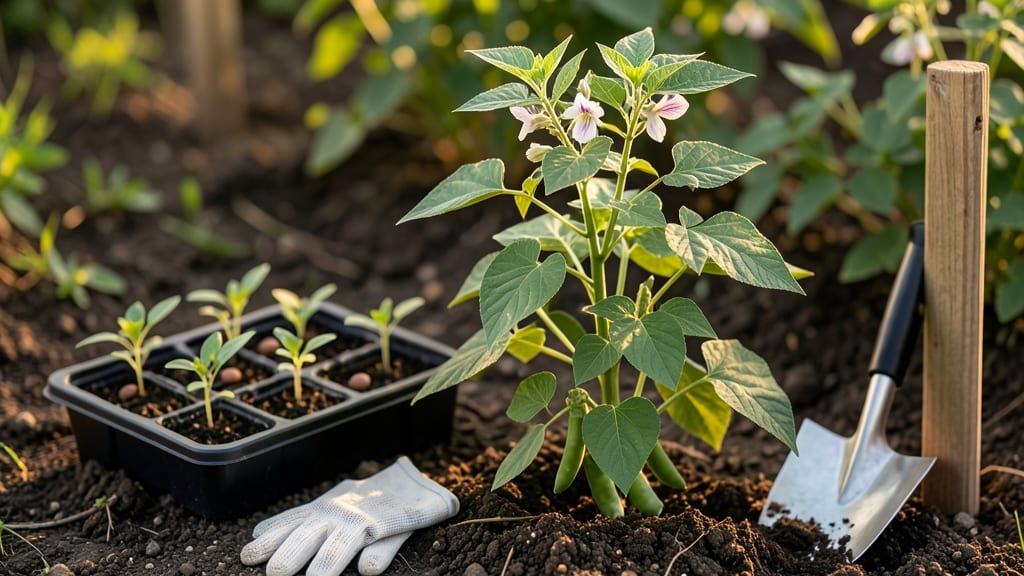
Planting beans in Kansas at the right time means the difference between a bountiful harvest and a wasted season—get the timing wrong, and you’ll lose your crop to frost or heat before the pods even form.
Kansas gardeners know timing is everything: plant too early and a late frost will turn your tender seedlings into sad, mushy memories. Wait too long and summer’s relentless heat arrives before the beans mature, leaving you with nothing but wilting vines.
The sweet spot? After the last frost—typically mid-April to early June—but there’s more to it than just the calendar.
Your USDA zone (5b-7a) plays a role, as does your local microclimate. Soil temperature matters just as much as air temperature—beans won’t germinate well until the ground warms to at least 60°F.
That’s why I’ve broken down the exact planting windows for Kansas City, Wichita, and other regions, so you can align your schedule with the science.
In this guide, you’ll discover the best varieties for Kansas heat, how to read the signs that your soil is truly ready, and even how to stretch your harvest with a fall planting. No more guessing—just a foolproof schedule tailored to your backyard.
Kansas bean planting calendar: exact months by hardiness zone
Kansas spans USDA hardiness zones 5b-7a, meaning frost dates vary dramatically between northern Salina (zone 5b) and southern Wichita (zone 7a). To avoid frost damage or overly hot conditions, I’ve mapped exact planting windows based on last frost averages and soil temperature thresholds of 60°F.
For Kansas City (zone 6a), the last frost typically occurs around April 15, while Wichita (zone 7a) sees its last frost by March 20.
Northern areas like Hays (zone 5b) often wait until May 1 to plant. These differences explain why I recommend three distinct planting windows across the state.
Pro tip: Use the Kansas State University Extension frost calculator to adjust for your microclimate. A sheltered south-facing slope may warm 2-3 weeks earlier than an open field.
Beans thrive in 60-85°F soil, so I’ve included early, mid, and late-season varieties to match Kansas’ 165-200 frost-free days. Early varieties like ‘Blue Lake’ (58-day maturity) can start in late April, while ‘Roma’ (65-day maturity) should wait until mid-May.
Fall planting is also possible in southern Kansas (zones 6b-7a), with August 1-September 15 windows for heat-tolerant varieties like ‘Contender’ (70-day maturity). Northern gardeners should skip fall planting unless using row covers to extend the season.
To calculate your exact planting date, subtract the maturity days of your chosen variety from your first frost date.
For example, if you’re in Wichita (zone 7a) with a first frost of October 15 and planting ‘Contender’ (70 days), count back 70 days to August 15—your latest safe planting date.
For pole beans, which take longer to mature, I recommend planting 2-3 weeks earlier than bush beans. ‘Kentucky Wonder’ (65 days) planted on April 15 in Kansas City will mature by June 19, leaving room for a second planting in July for a fall harvest.
If you’re unsure about
Signs it’s Really Safe to Plant Beans in Kansas (Beyond Dates)
Kansas weather can be unpredictable—one day it’s 50°F and sunny, the next it drops back to frost. Relying solely on last frost dates can leave your beans vulnerable. Instead, watch for these real-time indicators that your garden is truly ready for planting.
Beans thrive when soil temperatures stay above 60°F for at least a week. A soil thermometer is your best tool—stick it 2 inches deep in your garden bed first thing in the morning. If it consistently reads 60°F or warmer, your beans will germinate quickly and avoid stunted growth.
🌱Pro Tip: Morning soil temps are more reliable than afternoon readings, as Kansas sun can spike temperatures temporarily.
- 1
- 2
- 3
- 4
- 5
Kansas’ late spring frosts are infamous—even after Memorial Day. If your area is prone to 50°F nights in May, opt for bush beans (like Blue Lake) over pole beans, which take longer to mature. For extra protection, use row covers or plant near windbreaks like sunflowers.
Don’t ignore heatwaves either. If temps hit 90°F+ before your beans flower, they’ll struggle to set pods. In western Kansas, start fall planting by August 15 to avoid this issue. Watch for wilted leaves—a sign of heat stress—and provide afternoon shade with temporary cloth.
🌿Final Check: Combine these signs with your local extension office’s frost data. For example, Wichita’s average last frost is April 15, but 2023 saw frost as late as May 5. When in doubt, plant a few seeds early in pots to test soil conditions.