
Plants
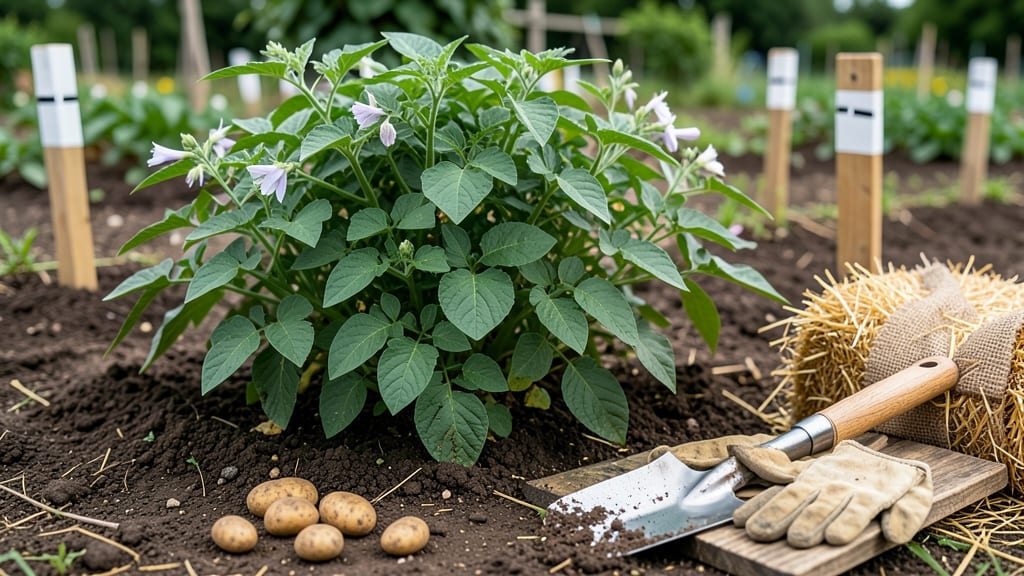
You plant potatoes in Florida between January and February or September and October—timing that avoids summer’s crushing heat and winter’s rare but possible frost ❄️.
Florida’s warm climate means potatoes thrive year-round—but planting at the wrong time can lead to blight, poor yields, or even total crop failure. The key is aligning your schedule with soil temperatures and regional microclimates, so tubers form without stress.
North Florida gardeners (USDA zones 8a-9a) should focus on early spring for frost-free harvests by May, while South Florida’s frost-free zones (10a-11) can plant year-round with shade in summer. Containers work too, but soil prep—loose, well-draining, and slightly acidic—is non-negotiable.
Below, I’ll break down the exact months by region, the fastest-maturing varieties for Florida’s heat, and how to stretch your harvest from December to May without disease or wasted effort.
Best planting months for potatoes in Florida by region (avoid frost & heat stress)
Florida’s three distinct regions—North, Central, and South—each offer unique microclimates that drastically impact potato success. Unlike cooler states, Florida’s frost-free winters and intense summer heat demand precise timing to avoid disease outbreaks and poor tuber formation.
Planting at the wrong time can turn your dream harvest into a blighted disappointment, but with the right schedule, you’ll enjoy homegrown spuds year-round.
Timing matters because potatoes need cool soil temperatures (50-60°F) to sprout and consistent moisture for tuber development. Florida’s humid summers create ideal conditions for early blight and late blight, while winter frosts in North Florida can kill young plants.
By aligning your planting with soil temperature trends and regional frost dates, you’ll maximize yields and minimize stress on your crops.
Here’s the region-specific breakdown you need to plant potatoes in Florida without risking frost or heat stress:
In North Florida, where frost dates can dip into the 20s°F (-7°C), I recommend planting Yukon Gold or Red LaSoda in January–February for a spring harvest. These varieties tolerate cooler soil temps and mature before summer heat sets in.
For a fall harvest, aim for September–October planting to avoid early frosts that can damage young tubers.
Central Florida’s milder winters (rarely below 32°F/0°C) allow for two planting windows: December–February for spring harvests and August–September for fall yields. Here, Kennebec and Purple Viking shine—they handle Florida’s humidity better than traditional varieties and resist early blight, a common issue in Central Florida’s wet springs.
South Florida’s tropical climate means no frost risk, but summer heat can stress potatoes. I plant Sweet Potato (yes, they’re not true potatoes but thrive here!) or Red Pontiac in October–December for a spring harvest and again in March–April for a fall crop.
Shade cloth (30–50%) helps prevent greening (toxic solanine buildup) during peak summer months.
Why does soil temperature matter so much? Potatoes won’t sprout if the soil is too cold (<50°F/10°C) or too hot (>80°F/27°C). In Florida, I use a soil thermometer to confirm temps before planting—especially in South Florida, where winter soil can still be warm.
Aim for 55–65°F (13–18°C) for optimal germination and tuber formation.
For container growing (great for small spaces or urban gardens), I plant in January–February across all regions. Containers warm up faster than ground soil, so I use black plastic pots to absorb heat and add compost to retain moisture.
Just ensure pots are 12+ inches deep—shallow containers stunt tuber growth.
Pro tip: Use row covers in North Florida during late winter to protect young plants from unpredictable cold snaps. In South Florida, provide afternoon shade in summer to prevent heat stress. Both tricks extend your planting windows by 2–4 weeks without risking crop failure.
Remember, timing isn’t just about months—it’s about soil conditions, variety selection, and microclimate. By following this region-specific guide, you’ll avoid the top 3 mistakes Florida gardeners make: planting too
How to extend your potato harvest season in Florida (year-round tips)
Florida’s long growing season lets you harvest potatoes nearly year-round—but summer heat and humidity can stress plants if you’re not strategic. The key is staggered planting and heat-tolerant varieties to avoid the 90°F+ stress window (June–August).
With the right approach, you can enjoy fresh potatoes in every season, from crisp winter harvests to summer shade-grown tubers.
Most gardeners focus on cool-season planting (January–February), but Florida’s climate allows three distinct harvest windows if you plan ahead. The secret? Fast-maturing varieties (60–90 days) and row covers to protect tender foliage. Even in South Florida’s frost-free zones, summer planting requires extra care—like mulching deeply and providing afternoon shade.
Best for North/Central FL. Use Yukon Gold or Red Pontiac (90-day varieties). Plant when soil temps drop below 75°F to avoid heat stress. Harvest by March–April before summer pests arrive.
Ideal for South FL. Choose early maturing varieties like Caribe (60 days) or Sweetheart (70 days). Plant in shade cloth if temps exceed 80°F. Harvest by May before blight risk spikes.
High-risk but possible with 50% shade cloth and drip irrigation. Use heat-tolerant varieties like Kennebec (110 days). Plant in raised beds with 4+ inches of mulch. Harvest by November before cold fronts arrive.
For year-round success, I recommend planting two batches every 6 weeks during Florida’s cool seasons (Oct–April). This creates a rolling harvest while avoiding the peak heat months. For example, plant Yukon Gold in October and Caribe in February—you’ll have tubers ready in March and May, respectively.
Don’t overlook container growing for summer potatoes! Use 5-gallon pots with well-draining mix and place them in morning sun only. Varieties like Red LaSoda thrive in containers and mature in just 70 days. Just remember to water daily during summer’s dry spells.
Pro tip: Mulch heavily (4–6 inches of straw or wood chips) to keep soil temps stable. This prevents solanine buildup (toxic compound) from heat stress. If your potatoes start turning green, they’re unsafe to eat—so always harvest before this happens.
With these strategies, you can enjoy homegrown potatoes from December to June—no grocery store in sight! Start small with one variety per season, then expand as you master the timing. Happy digging! 🥔🌱