
Planting
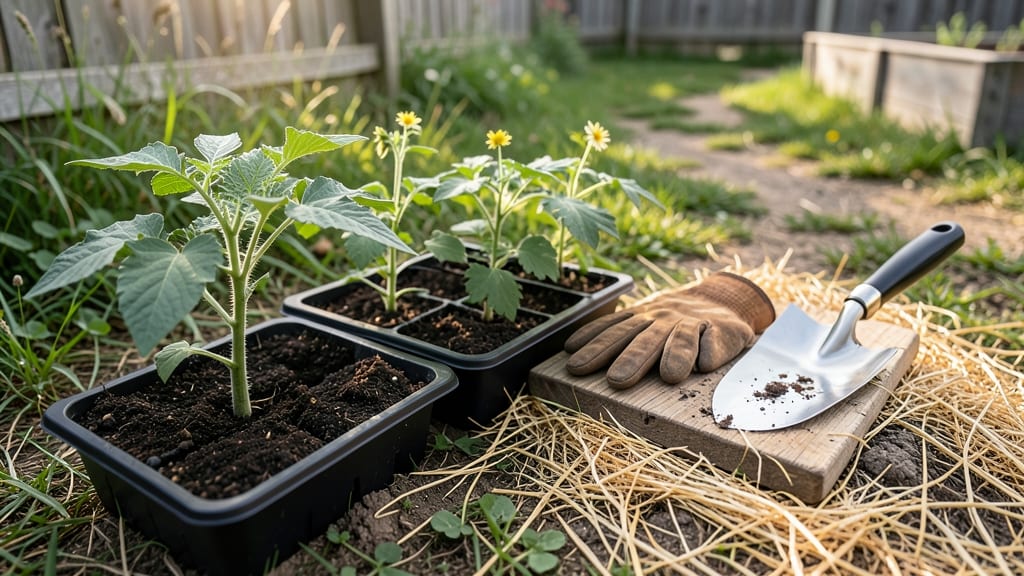
Should you plant a garden in Ohio when the soil warms to 50°F—not when the calendar says spring, but when the ground is ready for seeds.
Ohio gardeners know timing is everything—plant too early and frost strikes, too late and summer harvests vanish. But with Ohio’s diverse USDA zones (5b-6b), the perfect planting window varies by crop, location, and even microclimates.
This guide breaks down the exact months for zero-frost risk in your zone, from cool-season greens in March to tomato transplants in May, plus how to adjust for urban heat islands or late frosts.
You’ll learn which crops thrive in Ohio’s short season, when to start seeds indoors, and how to stretch harvests with row covers—so you’re never left wondering if your garden is on track.
Ohio planting calendar by USDA Zone: exact months for zero-frost risk
Ohio’s USDA zones 5b-6b create a delicate balance—too early and frost wipes out seedlings, too late and summer harvests shrink. The average last frost date ranges from April 15 (southern Ohio) to May 10 (northern Ohio), but microclimates (like urban heat islands) can shift this by weeks.
Understanding these zero-frost windows ensures your vegetables, flowers, and herbs thrive.
For USDA Zone 5b (north/central Ohio), aim for May 1-15 for warm-season crops, while Zone 6b (southwest Ohio) can start as early as April 15. Cool-season crops like spinach and peas can handle light frosts, but tomatoes and peppers need consistent warmth.
Below, I’ve broken down the ideal planting months by crop type and zone.
| Crop Type | USDA Zone 5b (North/Central) | USDA Zone 6b (Southwest) | Microclimate Adjustments |
|---|---|---|---|
| Cool-Season Veggies (spinach, kale, peas) | March 15–April 15 (direct sow) or April 1–May 1 (transplant) | March 1–April 1 (direct sow) or March 15–April 15 (transplant) | Urban areas: Start 2 weeks earlier. Rural: Wait 1 week. |
| Warm-Season Veggies (tomatoes, peppers, beans) | May 1–15 (after last frost) | April 15–May 1 (after last frost) | South-facing walls: Plant 10 days earlier. Low spots: Delay 10 days. |
| Flowers & Herbs (marigolds, basil, lavender) | April 15–May 1 (annuals) or September 1–15 (perennials) | April 1–15 (annuals) or August 15–September 1 (perennials) | Containers warm faster—plant 7–10 days earlier. |
| Fall Crops (kale, carrots, radishes) | July 15–August 15 (for fall harvest) | July 1–August 1 (for fall harvest) | High elevations: Start 2 weeks earlier. Urban: Delay 1 week. |
| Perennials (daylilies, coneflowers) | April 1–May 15 (bare-root) or September 1–15 (container) | March 15–April 1 (bare-root) or August 15–September 1 (container) | Dry areas: Water deeply before planting. Wet areas: Amend soil. |
Your USDA zone isn’t the only factor—microclimates can shift planting dates by weeks. For example, urban heat islands (like Columbus or Cleveland) often see earlier last frosts than rural areas, while low-lying valleys (like parts of Appalachia) may experience later frosts.
Use a soil thermometer to confirm 50°F+ soil temps for warm-season crops before planting.
For warm-season vegetables, like tomatoes and peppers, wait until the soil temperature reaches 60°F+.
In Zone 5b, this typically aligns with late May, while Zone 6b gardeners can start as early as mid-April. Succession planting (e.g., sowing lettuce every 2 weeks) maximizes harvests and accounts for Ohio’s unpredictable weather.
Don’t overlook fall planting—Ohio’s first frost typically arrives between October 15 (southwest) and November 1 (northeast). Plant cool-season crops like spinach and kale in July-August for a late-season harvest. Use row covers to extend the season by 2-4 weeks in frost-prone areas.
Pro tip: Track your local frost dates using the NOAA Frost Calculator or your county Ohio State Extension office. These resources provide hyper-local adjustments based on 5-10 years of data, helping you avoid costly mistakes.
For example, Toledo (Zone 6b) averages a last frost on April 10, while Youngstown (Zone 5b) typically waits until May 5.
If you’re in a microclimate hotspot (like a south-facing wall or paved urban area
Best crops to plant in Ohio by season: cool vs. warm weather plants
Ohio's diverse climate demands strategic planting—cool-season crops thrive in spring and fall, while warm-season plants need summer's heat. I've grown both for years and learned the exact windows that work best in USDA zones 5b-6b. Let's break down the top performers for each category.
Cool-season crops like spinach, peas, and kale handle Ohio's early spring chill and fall frosts beautifully. These hardy plants often produce sweetest flavors when grown in cooler weather.
I always plant them 4-6 weeks before last frost—typically mid-March to early April for spring, and again in late August for fall harvests.
For warm-season crops—think tomatoes, peppers, and beans—timing is critical. These heat-lovers need soil temperatures above 60°F and won't tolerate frost. I wait until after May 15 (when soil warms) and use black plastic mulch to speed things up in cooler microclimates.
| CROP TYPE | IDEAL PLANTING WINDOW | SUCCESSION PLANTING | EXTEND SEASON WITH |
|---|---|---|---|
| Cool-Season Crops | Spring: March 15-April 15 Fall: August 15-September 15 |
Every 2-3 weeks until June 1 | Row covers (30°F protection) |
| Warm-Season Crops | After last frost (May 15-June 1) | Every 3-4 weeks until July 15 | Cold frames (10°F protection) |
| Examples | Spinach, Peas, Kale, Lettuce | Tomatoes, Peppers, Beans, Cucumbers | N/A |
My succession planting trick for cool crops: Start with hardy peas in early March, then add spinach and kale as temperatures rise. For warm crops, I plant beans first (they tolerate light frosts), followed by peppers and tomatoes when soil warms completely.
Don't let Ohio's unpredictable weather ruin your harvests. Use row covers to extend cool-season crops into late fall, or cold frames for early starts. I've successfully grown spinach until Thanksgiving using these methods in Zone 5b.
Pro tip: Monitor your local frost dates—they vary by 5-7 days across Ohio. Check the NOAA Frost Calculator and adjust your planting schedule accordingly. With these timing strategies, you'll enjoy continuous harvests from April through October! 🌱