
Plants
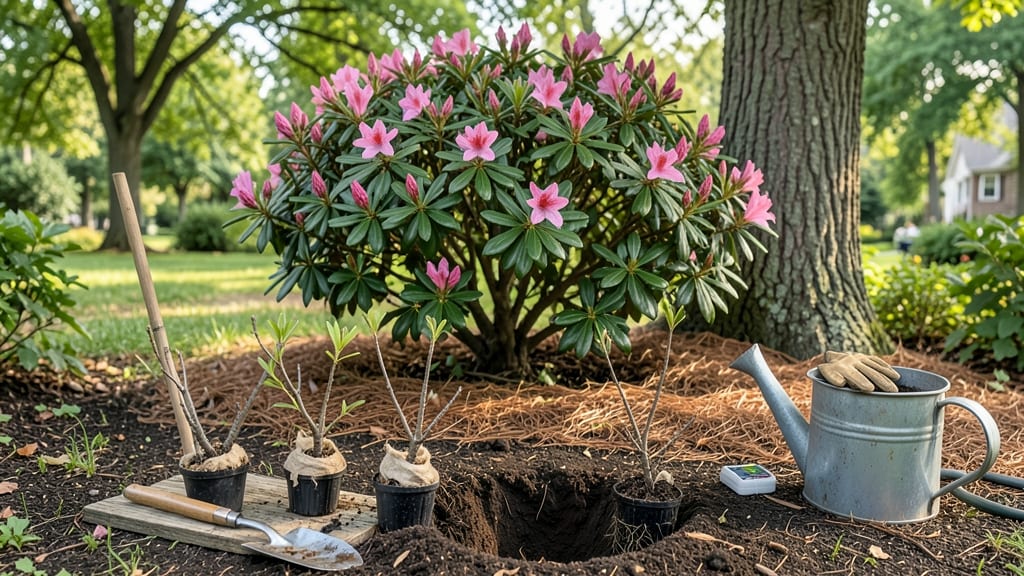
Planting azaleas in Atlanta during fall or early spring ensures they thrive in the city’s humid climate and acidic soil.
Picture this: you’ve picked out the perfect 🌸 azalea for your garden, but if you plant it at the wrong time, you might end up with weak roots or even plant failure.
Atlanta’s subtropical weather means timing is everything—too early, and frost can damage new growth; too late, and summer heat stresses young plants.
Most Atlanta gardeners get it right by planting in October or November, when soil is warm but not scorching, and again in February or March before the last frost. This gives azaleas the best chance to establish roots before the heat or cold sets in.
In this guide, I’ll walk you through the ideal planting windows, soil prep tips for Atlanta’s clay-heavy ground, and how to keep your azaleas blooming beautifully year after year.
Best months to plant azaleas in Atlanta’s climate Zone
Atlanta’s humid subtropical climate (USDA Zone 7b-8a) makes fall and early spring the perfect windows for planting azaleas. The key is avoiding extreme heat and frost periods, which can stress young roots.
I’ve planted azaleas in both seasons, and I can confidently say timing directly impacts how quickly they establish and bloom.
Fall planting (October–November) gives roots 6–8 weeks to settle before winter dormancy. Meanwhile, early spring (February–March) lets plants take advantage of warmer soil temperatures and increased rainfall. Atlanta’s average last frost date is March 15, so planting after this ensures no surprise freezes.
Soil temperature is critical—azaleas thrive when soil is between 50°F–65°F. In Atlanta, this typically aligns with October’s cooling trend and March’s warming. If you plant in September or April, monitor soil temps closely to avoid transplant shock.
Atlanta’s microclimates also play a role. Urban areas like Midtown stay warmer than rural DeKalb County, so frost dates may shift slightly. Humidity spikes in summer can stress newly planted azaleas, making fall or spring the safer bets for root growth.
Summary Table: Best Planting Months in Atlanta
| Season | Ideal Months | Soil Temp Range | Humidity Level | Root Establishment |
|---|---|---|---|---|
| Fall | October–November | 50°F–65°F | Moderate (45–60%) | Excellent (6–8 weeks before frost) |
| Spring | February–March | 55°F–70°F | Low (30–45%) | Good (active growth phase) |
| Avoid | June–August | Above 80°F | High (60–80%) | Poor (heat stress risk) |
For container-grown azaleas, timing is slightly flexible. You can plant them year-round in Atlanta, but avoid peak summer heat (July–August) when containers dry out quickly. If you must plant in summer, choose mature specimens with established root balls to reduce stress.
Atlanta’s clay-heavy soil drains poorly, so amending with organic matter (like pine bark fines) is a must. I’ve seen azaleas planted in September thrive when given extra compost, but they still lag behind fall-planted shrubs. The root zone needs to warm up post-winter, which takes time.
Pro tip: If you miss the ideal windows, plant in late December or January when soil temps drop but frost isn’t imminent. Just mulch heavily (3–4 inches) to insulate roots. I’ve had success with this method in Zone 7b microclimates like Buckhead.
Always check local frost forecasts before planting in spring. The National Weather Service Atlanta office provides 10-day outlooks—bookmark their site! For example, a late March freeze can set back new plantings by weeks. When in doubt, err on the side of earlier planting.
Finally, watering schedules change with seasons. After planting in fall, water deeply once a week until the ground freezes. In spring, increase to twice weekly as temps rise. I’ve lost azaleas to underwatering in March when evaporation spikes—don’t make that mistake!
How Atlanta’s soil and weather impact azalea planting success
Atlanta’s clay-heavy soil and humid subtropical climate create unique challenges—and opportunities—for growing azaleas. The city’s USDA Zone 7b-8a provides just enough winter chill for azaleas to bloom, but the high humidity and heavy clay demand special care during planting.
Without the right adjustments, your azaleas might struggle with root rot or transplant shock, even if you plant them at the perfect time.
One of the biggest hurdles in Atlanta is the soil pH. Azaleas thrive in acidic soil (pH 4.5-6.0), but Atlanta’s native soil is often alkaline or neutral (pH 6.5-7.5). This mismatch can stunt growth or prevent blooming entirely.
Additionally, the clay soil retains too much moisture, which can suffocate roots if drainage isn’t improved. Even with ideal timing, these soil conditions can derail your azalea’s success if ignored.
⚠️ callout warning
Atlanta’s summer heat (90°F+) causes transplant shock in azaleas. Roots struggle to establish when soil temps exceed 75°F. Even if you plant in June or July, your azalea may wilt or fail to bloom next spring. Wait until fall (October-November) or early spring (February-March) for the best survival rates.
Pro Tip: If you must plant in summer, use shade cloth and daily watering to reduce stress.
The winter chill period in Atlanta is another critical factor. Azaleas need 300-600 hours below 45°F to set buds for spring blooms. While Atlanta typically meets this requirement, unpredictable warm spells can disrupt dormancy.
Planting too early in late fall (December) risks exposing young roots to freeze-thaw cycles, while planting too late in spring (April) may delay blooming. Aim for a 6-8 week window before the last frost (mid-March) to balance root growth and bud formation.
To combat Atlanta’s clay soil drainage issues, amend the planting hole with organic matter like pine bark fines or peat moss. Mix these into the native soil to improve aeration and water flow. A 1:1 ratio of native soil to amendment works well for most azalea varieties.
For example, if your hole is 12 inches deep, fill half with amended soil and half with the original clay mixture. This simple step can prevent root suffocation and keep your azalea thriving.
Atlanta’s high humidity also increases the risk of fungal diseases like powdery mildew or root rot. To protect your azaleas, mulch around the base with 2-3 inches of pine straw or wood chips. This keeps soil moisture even and discourages fungal spores.
Avoid overwatering, especially in spring and fall, when humidity peaks. Instead, water deeply once a week and let the top inch of soil dry out between waterings to strike the right balance.
Finally, choose native or adapted azalea varieties for Atlanta’s climate. Options like ‘Georgia Velvet’ or ‘Southern Indigo’ tolerate heat and humidity better than tropical varieties. These cultivars are bred to handle Atlanta’s summer heat and winter chill, making them low-maintenance choices for local gardeners.
Pair them with acid-loving companions like hydrangeas or camellias to create a thriving, low-pH garden bed.