
Plants
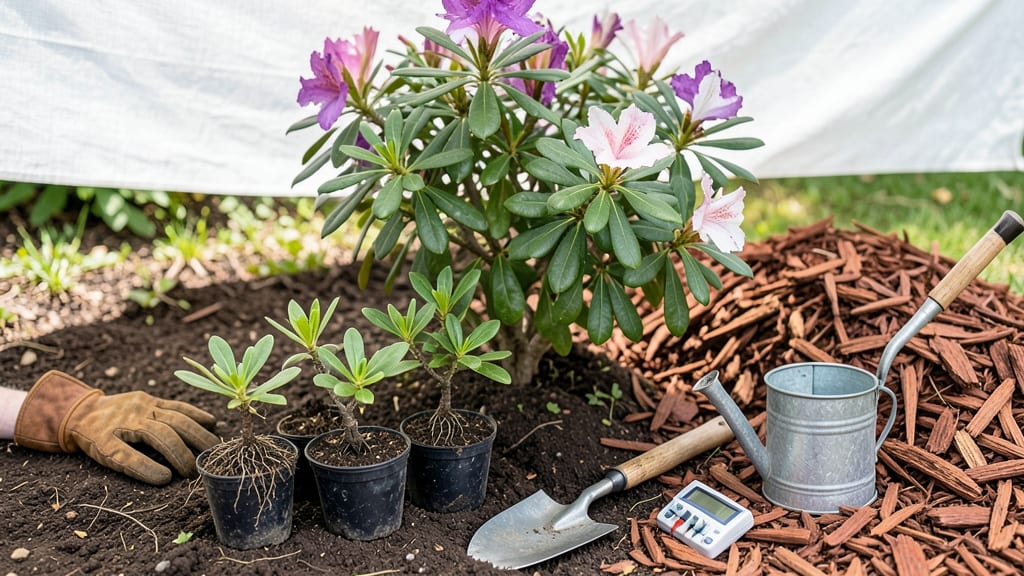
Plant azaleas in Zone 9 between late fall and early spring 🌸 to give their roots time to establish before the summer heat arrives.
Azaleas bring vibrant color to Zone 9 gardens—but planting them at the wrong time can stunt growth or even kill the plant. Timing is everything for these finicky shrubs, and getting it right means the difference between stunning spring blooms and years of disappointment.
In Zone 9’s hot climate, summer planting is a recipe for stress. The intense sun and heat can dry out roots before they have a chance to settle in, while the cooler months let them focus on growing strong before blooming season.
Below, I’ll break down the perfect planting window, soil prep tips, and post-planting care to ensure your azaleas thrive—and reward you with showstopping blooms every spring.
Best planting windows for azaleas in Zone 9: fall vs spring breakdown
In Zone 9, where summer temperatures can soar above 90°F, planting azaleas at the wrong time often leads to transplant shock or even death. These acid-loving shrubs thrive best when planted during cooler months, but should you choose fall or spring?
The answer depends on your local climate nuances and how you prioritize root establishment versus bloom timing.
Fall planting is widely recommended for Zone 9 azaleas because cooler temperatures and increased rainfall create ideal conditions for root growth before summer's brutal heat sets in. However, spring planting can work if you're prepared to provide extra care during the hot months ahead.
Let's break down the key differences to help you decide which window suits your garden best.
⚠️ CRITICAL FACTOR: Azaleas need 60-70°F soil temperatures for optimal root development. In Zone 9, summer soil temps often exceed 85°F, making spring planting risky unless you take special precautions.
Fall planting gives azaleas a 4-6 month head start to establish roots before summer arrives. When planted in October or November, the cooler temperatures and increased rainfall create perfect conditions for root development.
By the time summer heat arrives, your azaleas will have a strong root system capable of handling the stress.
I planted my Everest azaleas in early November last year, and they're now thriving with vibrant blooms every spring. The key was ensuring the soil stayed consistently moist during their first 60 days after planting. A 3-inch layer of mulch helped retain moisture while keeping roots cool.
Spring planting in February or March works if you're replacing existing azaleas or have limited fall planting options. However, you'll need to provide daily watering and afternoon shade to protect young plants from Zone 9's intense sun.
I've seen many gardeners struggle with spring-planted azaleas wilting by June unless they commit to this extra care.
Another critical factor is bloom timing. Azaleas planted in fall will typically produce their first full bloom the following spring. Spring-planted azaleas may bloom lightly their first year but often produce more robust flowers in subsequent years.
This is because they've had time to establish stronger root systems before entering their first dormancy cycle.
For container-grown azaleas, fall planting offers additional advantages. The cooler temperatures reduce transplant shock, and you can overwinter them more easily if needed. I've found that potted azaleas planted in fall often outperform those planted in spring, especially in southern California's Mediterranean climate.
If you choose spring planting, time it for late February to early March when daytime temperatures begin to stabilize. Avoid planting in April or May when soil temperatures can exceed 80°F, which stresses young roots.
Always test your soil pH before planting—azaleas require acidic soil (pH 4.5-6.0)—and amend with sulfur or peat moss if needed.
Remember that Zone 9's microclimates vary significantly. Coastal areas like San Diego have milder summers than inland desert regions like Phoenix. Adjust your planting window accordingly—coastal gardeners might extend fall planting into December, while desert gardeners should plant by October to avoid heat stress.
Whether you choose fall or spring, the first 30 days after planting are critical. Focus on deep watering (2-3 gallons per plant), mulching, and protecting young plants from direct afternoon sun. With proper timing and care, your azaleas will reward you with vibrant blooms for years to come. 🌸
How to prepare for azalea planting in Zone 9’s extreme heat
Zone 9’s scorching summers can turn azalea planting into a high-stakes challenge. These acid-loving shrubs need careful preparation to survive 100°F+ temperatures and thrive. The key lies in soil amendment, mulching, and strategic watering schedules that protect delicate roots while encouraging growth.
Without these steps, even well-timed planting can fail under relentless heat.
I’ve planted azaleas in Southern California’s Zone 9b for years, and the difference between thriving plants and struggling ones often comes down to these pre-planting prep steps. Let’s break down exactly what you need to do to give your azaleas the best shot at success during our brutal summers.
-
1. Test & amend soil pH
Azaleas demand acidic soil (pH 4.5-6.0). Use a soil test kit and amend with peat moss or sulfur if needed. Zone 9 soils are often alkaline—this step is non-negotiable. -
2. Loosen soil deeply
Dig a hole twice as wide as the root ball and 12 inches deep. Mix in compost and perlite for drainage. Compacted clay soil is azaleas’ worst enemy in heat. -
3. Mulch heavily (3-4 inches)
Use pine bark or wood chips to retain moisture and regulate soil temperature. Keep mulch 6 inches away from stems to prevent rot. Replenish every 6 months. -
4. Water deeply before planting
Soak the root ball 24 hours before transplanting. This reduces transplant shock and helps roots establish faster in dry Zone 9 conditions. -
5. Provide afternoon shade
Use lightweight shade cloth (30-50%) or plant near deciduous trees for the first 30 days. Afternoon sun (2 PM-6 PM) is deadly for new plantings.
Once your azalea is planted, the first 30 days are critical. I’ve seen plants wither under Zone 9’s intense sun because owners skipped this post-planting checklist. Water every 3-5 days (morning only) and monitor for wilting leaves—a sign of heat stress.
A light layer of mulch every 2 weeks keeps roots cool and moist.
For potted azaleas, move them to shaded patios during summer. Container-grown plants dry out 3x faster than in-ground shrubs. I’ve lost count of how many gardeners assume their potted azaleas are fine—until they crisp up under the merciless Zone 9 sun. Don’t make that mistake.
Remember: Azaleas in Zone 9 need babying during their first summer. With the right prep, they’ll reward you with vibrant blooms for years. Skip these steps, and you’ll be fighting to revive struggling plants all season long. 🌸