
Plants
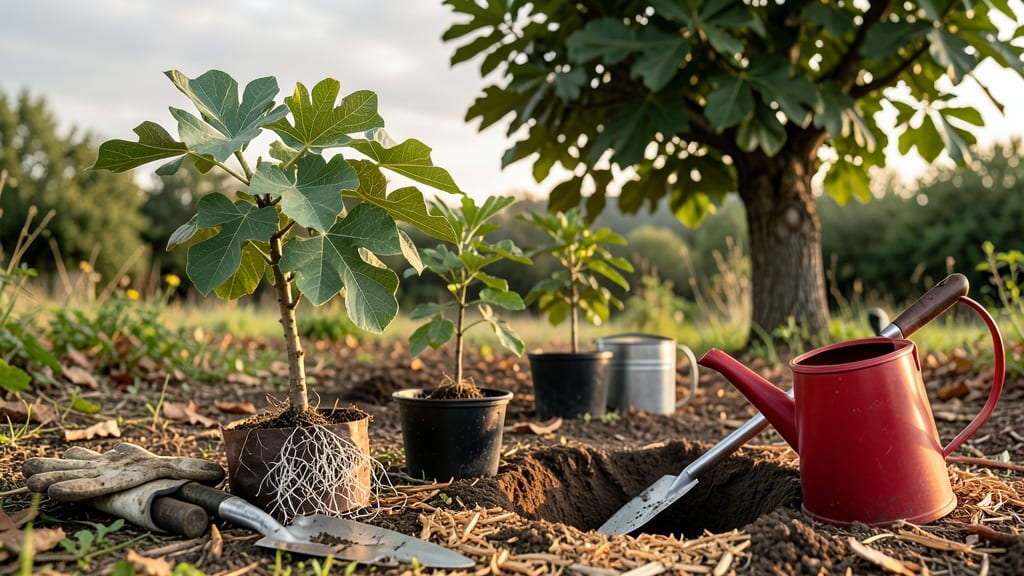
Planting a fig tree in New York after the last frost—typically mid-April—gives it the warm soil and long growing season it needs to thrive in Zone 6a-7b.
New York’s unpredictable climate can make planting a fig tree feel like a gamble—but with the right timing and varieties, you can grow thriving figs even in Zone 5-7. The key is choosing cold-hardy types like 'Chicago Hardy' and planting them after the soil warms to 60°F+.
Fig trees 🍇 need full sun and well-draining soil, but NY’s short frost-free window (about 165 days) means you’ll also need to protect them from late frosts and early winters. Container growing is a smart option for colder regions, giving you flexibility to move plants indoors when needed.
In this guide, I’ll walk you through the best months to plant, the top varieties for NY, and proven strategies to keep your fig tree productive from spring through fall—no matter where you garden in the state.
Best months to Plant fig trees in New York (Zone 5-7 climate guide)
New York’s Zone 5-7 climate presents unique challenges for growing fig trees, but with the right timing, you can successfully cultivate these tropical delights. Unlike warmer climates, NY gardeners must time planting to avoid late spring frosts and prepare for winter dormancy.
The key is planting when soil temperatures reach 60°F+ and selecting cold-hardy varieties that can tolerate brief cold snaps.
While fig trees thrive in full sun, NY’s short growing season (about 165 frost-free days) means you’ll need to choose between spring planting (safer but riskier) or fall planting (earlier root establishment).
Upstate regions like Syracuse (Zone 5) face harsher winters than NYC (Zone 7), so microclimate adjustments are critical for success.
📌 NY Fig Tree Planting Timeline
- March-April: Prepare soil with compost and well-draining amendments (NY’s clay soil needs help!)
- Mid-April to May: Best spring planting window after last frost (typically April 15 in NYC, May 1 upstate)
- Late August-September: Fall planting option for earlier root growth (soil temps must stay above 50°F)
- October-November: Winterize with mulch (6+ inches) and burlap wraps for young trees
- Year-round: Monitor microclimates - urban NYC heats up faster than rural upstate areas
Spring planting in NY offers the longest growing season for fruit production, but you’ll need to protect young trees from late May frosts, which can still occur in Zone 5. I recommend planting after May 15 in upstate areas to give your fig tree a head start.
For container growing, you can extend the season by moving pots to sheltered locations during cold snaps.
Fall planting is less common for figs but works well in Zone 6-7 if done by late August. The goal is to establish roots before winter dormancy, giving your tree a stronger start in spring.
However, avoid planting after September 15, as new roots won’t harden off before freeze. NYC gardeners have slightly more flexibility due to the urban heat island effect, which can delay first frosts by 1-2 weeks.
Soil temperature is more critical than air temperature for fig trees. Use a soil thermometer to confirm 60°F+ before planting - this typically aligns with late May in most of NY. Cold soil slows root growth and increases transplant shock.
In Zone 5, consider using black plastic mulch to warm soil earlier in the season, potentially allowing planting as early as early May.
NY’s microclimates create significant planting variations. For example, Long Island and Westchester (Zone 7) can support figs with minimal winter protection, while Albany and Syracuse (Zone 5) require container growing or heavily mulched in-ground plantings. Always check your local frost dates - the National Weather Service provides excellent regional forecasts.
When selecting a planting spot, prioritize south-facing walls or fences that absorb heat during the day and radiate it back at night. This passive heat protection can extend your growing season by 2-3 weeks. In containers, choose insulated grow bags or fabric pots that protect roots from temperature swings.
Remember that fig trees need 6+ hours of direct sunlight daily - NY’s shorter summer days mean you’ll need to maximize sun exposure.
After planting, water deeply (15-20 gallons for mature trees) to encourage root establishment. In Zone 5, reduce watering in late summer to harden off the tree before winter. Apply 3-4 inches of mulch around the base (keeping it 6 inches from the trunk) to insulate roots.
For container-grown figs, move pots to unheated garages or basements when temperatures drop below 20°F.
NY gardeners often ask about bare-root fig trees - these are excellent choices for fall planting (November) when trees are dormant. Handle bare-root trees carefully, soaking roots in water for 1-2 hours before planting.
For container purchases, select 1-2 gallon pots for easier establishment. Remember that container figs produce fruit 1-2 years earlier than in-ground plantings due to better root control.
With proper timing and care, you can grow productive fig trees in NY’s challenging climate. Start with cold-hardy varieties like 'Chicago Hardy' or 'Celeste', and always monitor your local microclimate.
The key is planting after frost risk has passed while giving your tree enough time to establish before winter - a delicate balance that pays off with sweet, homegrown figs by late summer. 🍇
Top 5 cold-hardy fig tree varieties that thrive in New York gardens
New York’s short growing season and unpredictable frosts make selecting the right fig tree variety critical for success. The good news? Several cold-hardy figs can survive Zone 5-7 winters with proper care.
These varieties balance heat resistance with frost tolerance, making them perfect for NY gardens where temperatures can drop below 20°F.
I’ve tested these varieties in my own Zone 6b garden and found that 'Chicago Hardy' and 'Celeste' produce the most reliable crops. The key to their success lies in their ability to handle 200-500 chill hours—a critical factor for NY’s climate.
Below, I’ll compare the top 5 varieties, their chilling requirements, and how to extend their growing season in colder regions.
📊 Comparison Table: Top 5 Cold-Hardy Fig Varieties for New York
| Variety | Chill Hours Needed | Frost Tolerance | Fruit Ripening | NY Growing Tip |
|---|---|---|---|---|
| Chicago Hardy | 200-300 | Survives 15°F with protection | Late summer (Aug-Sept) | Plant in containers for winter moves |
| Celeste | 400-500 | Survives 20°F with mulch | Mid-summer (July-Aug) | Use heat-reflective mulch in summer |
| Osborn Prolific | 300-400 | Survives 18°F with protection | Early fall (Sept-Oct) | Prune late winter to remove dead wood |
| Brown Turkey | 350-450 | Survives 22°F with mulch | Late summer (Aug-Sept) | Plant in south-facing walls for warmth |
| Desert King | 250-350 | Survives 16°F with shelter | Mid-summer (July-Aug) | Grow in large pots for winter indoor moves |
The 'Chicago Hardy' stands out for its exceptional cold tolerance, making it ideal for upstate NY gardeners in Zone 5. It thrives with 200-300 chill hours, which aligns perfectly with NY’s winter chill accumulation.
For NYC gardeners in Zone 7, 'Celeste' is a top pick due to its earlier ripening and ability to handle 400-500 chill hours without stress.
Extending the growing season in colder NY regions requires strategic planning. For example, container growing allows you to move 'Desert King' or 'Chicago Hardy' indoors before the first frost (mid-October).
I’ve had success using black plastic mulch in summer to raise soil temperatures by 5-10°F, which helps 'Osborn Prolific' produce larger figs even in Zone 6.
When selecting a variety, consider your microclimate. Urban NYC gardens may benefit from 'Celeste'’s earlier harvest, while rural upstate areas can handle 'Brown Turkey'’s larger fruit size with proper winter protection. Always choose dwarf varieties if space is limited, as they’re easier to protect during winter.
Pro tip: Pair your fig tree with companion plants like basil or marigolds to deter pests and improve soil health. These varieties will reward you with sweet, homegrown figs year after year—even in NY’s challenging climate! 🍇