
Plants
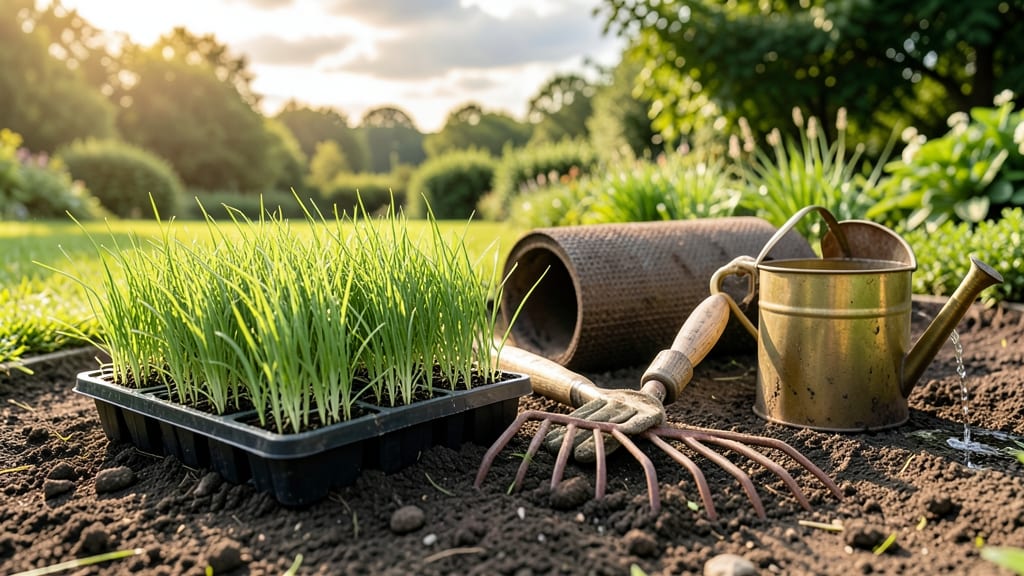
Planting grass in the fall is the best time to plant grass in the fall because it gives seedlings 4-6 weeks to grow strong roots before winter, which is the best way to beat spring weeds and thin spots.
You’ve probably heard “fall is the perfect time,” but too many gardeners wait until late October—only to watch their seedlings freeze before they take hold. The sweet spot is actually 6a’s September-October window, when soil stays warm enough for germination but nights cool down to slow weed growth.
This isn’t just guesswork—it’s about soil temperatures hitting that 50°F mark, frost forecasts, and even the type of grass you’re planting. Cool-season varieties like Kentucky bluegrass or fescue thrive with this timing, while warm-season grasses like Bermuda need a different approach.
Below, I’ll break down the exact weeks before frost for your zone, how to prep soil for success, and the one mistake that kills 80% of fall plantings before they even start.
Optimal fall grass planting timeline by climate Zone
Fall is the perfect time to plant grass because cooler temperatures reduce seedling stress while allowing roots to establish before winter. But the ideal window varies dramatically by climate zone—plant too early, and weeds outcompete your seedlings; too late, and roots won’t harden before frost.
Let’s break down the science-backed timeline for your region.
Most grass varieties need 40-50°F soil temperatures to germinate, with 4-8 weeks before first frost to develop a strong root system. In Northern climates (USDA Zones 3-5), this means aiming for late August to mid-September, while Southern zones (6-9) can extend planting until early November.
Transition zones (like Zone 6) need careful monitoring of frost dates.
In Northern climates, where winters are harsh, late August is often the last safe window to plant before soil cools too much.
For example, in Zone 4, aim to finish by September 15 to give roots time to reach 3-4 inches deep before ground freezes. Cool-season grasses like Kentucky Bluegrass and Tall Fescue thrive in these conditions.
Southern regions enjoy a longer fall planting window thanks to milder winters.
In Zone 9, you can plant until early November, but avoid planting after October 15 if your first frost typically arrives by December 1. Warm-season grasses like Bermuda or Zoysia may still benefit from fall planting if overseeding with cool-season varieties.
Transition zones like Zone 6 require extra attention. Here, early September is ideal, but watch for unpredictable frost. Use local frost date forecasts (like the National Weather Service) and plant 6 weeks before your average first frost.
For example, if frost hits November 10, plant by September 25.
Missed the window? Don’t panic. If soil temps stay above 40°F and frost isn’t imminent, you can plant up to 2-3 weeks later but expect slower growth. Mulch lightly with straw to protect seedlings and water deeply 2x weekly to encourage root development before dormancy.
For best results, pair your planting timeline with soil prep: aerate 2 weeks before planting, add compost for nutrients, and choose cold-hardy seed mixes labeled for your zone. This ensures your grass has the energy reserves to bounce back in spring.
Remember: Fall planting isn’t just about timing—it’s about giving your grass a head start. With the right window, your lawn will outcompete weeds, establish deeper roots, and look greener next spring than if planted in spring. Check your local USDA zone and mark your calendar now!
Signs your fall grass planting timing is perfect (or too late)
Fall is the ideal season for grass planting because cooler temps reduce weed competition and help roots establish before winter. But knowing the perfect timing means watching three key signals: soil temperature, frost forecasts, and seed germination rates.
Miss these cues, and your lawn could struggle to survive the cold. Let’s break down what to look for to plant at the right moment.
First, check your soil temperature—it’s the most critical indicator. Grass seeds need soil between 40-50°F to germinate properly. Use a soil thermometer (or the back of your hand) to test: if it feels cool but not freezing, you’re in the sweet spot.
Planting too early when soil is still warm risks shallow roots, while waiting too late may leave seeds dormant before winter sets in.
✅ Perfect Fall Planting Checklist
- Soil Temp: 40-50°F (use a thermometer)
- Frost Window: 4-6 weeks before first frost
- Seed Germination: 7-14 days at optimal temps
- Daylight: 10+ hours of sunlight daily
- Soil Prep: Loose, weed-free, and leveled
🌱 Pro Tip: Test soil moisture too—it should feel like a damp sponge, not soggy.
Next, consult your local frost forecast. Aim to plant 4-6 weeks before the first expected frost date. This gives roots time to grow 3-4 inches deep before dormancy. Check the National Weather Service or local agricultural extensions for your area’s average frost date.
For example, in USDA Zone 6a, mid-October is prime time, while Zone 8 can plant until early November.
Watch your grass seed germination too—it’s a sign you’re planting at the right time. Most cool-season grasses (like tall fescue or ryegrass) sprout in 7-14 days when soil temps are ideal.
If you see sprouts within 2 weeks, you’ve timed it well. Delayed germination (3+ weeks) suggests soil was too cold or dry. Adjust your watering or wait for warmer days if needed.
If you’ve planted too early, your grass may grow too fast, then weaken as temps drop. To fix this, reduce watering slightly and apply a light nitrogen fertilizer to harden off the blades.
Planting too late? Seeds may not germinate before frost, leaving bare spots. In this case, use a winter mulch (like straw) to protect soil and replant next spring.
Don’t forget to prep your soil first! Loosen the top 2-3 inches with a rake or aerator, remove weeds, and level the surface. This ensures seeds make direct contact with moist soil for faster germination.
After planting, keep the area consistently moist (not soggy) until you see 1-inch tall sprouts. Then, reduce watering to encourage deeper root growth.
Timing your fall grass planting isn’t just about the calendar—it’s about reading your local climate and soil conditions. By watching these signs, you’ll give your lawn the best chance to thrive next spring. Happy planting! 🌿