
Plants
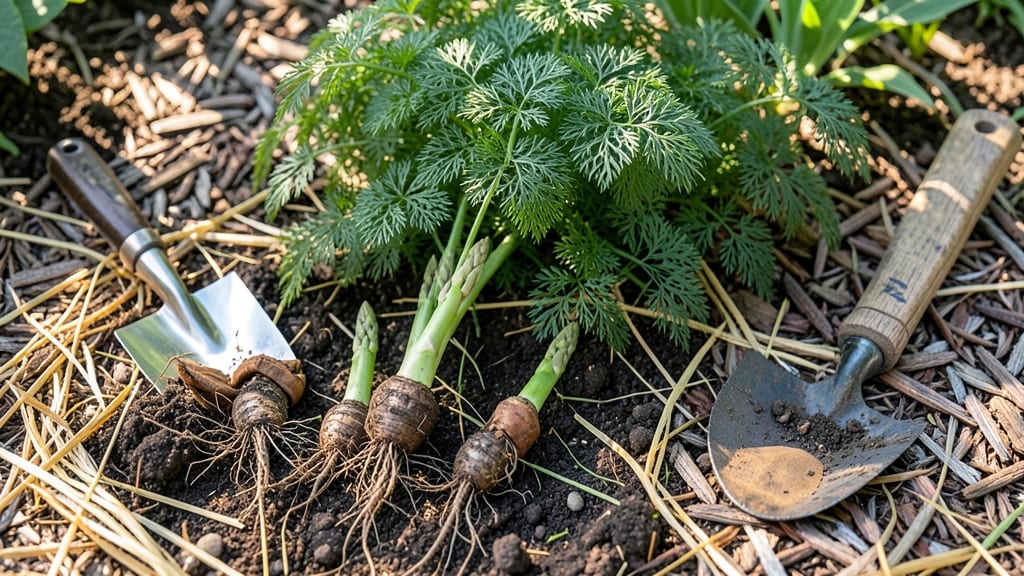
Planting asparagus in Minnesota means timing it 2-4 weeks before your last frost—typically mid-April in most of the state’s 4a-5b zones—to give the crowns enough time to establish roots before summer heat arrives.
Minnesota gardeners know patience is key—especially with asparagus, a crop that rewards long-term planning with decades of harvests. But timing your planting just right can mean the difference between thriving spears and wasted effort.
Why? Because asparagus crowns need 4-6 weeks to root before the ground warms, and planting too early risks frost damage, while waiting too long delays that first harvest by another year.
Here’s exactly when to plant asparagus in Minnesota’s unpredictable climate—and how to set your crop up for success, from soil prep to frost-proofing strategies.
Best planting months for asparagus in Minnesota’s climate zones
Minnesota’s USDA Zones 3-5 create unique challenges for asparagus growers, where late frosts and cold soil can delay planting. The key is timing your asparagus crowns (not seeds) for early spring when soil temperatures reach 50°F—typically 2-4 weeks before your area’s last frost date.
In northern Minnesota (Zone 3), this often means late April to early May, while southern regions (Zone 5) can plant as early as mid-April.
Asparagus thrives on patience—it takes 2-3 years before your first harvest, so getting the timing right now means decades of spears. The difference between a successful perennial bed and a failed attempt often comes down to soil warmth and frost risk.
Let’s break down the perfect planting windows for each zone, including how to adjust for Minnesota’s unpredictable early springs.
🌱
In Zone 3, where frosts linger longer, I recommend waiting until late April unless you’re using black plastic mulch to warm the soil faster. The 50°F soil temperature threshold is non-negotiable—cold soil slows root establishment, making young plants vulnerable to late spring frosts.
Use a soil thermometer to confirm readiness, especially in northern Minnesota.
For Zone 4 and Zone 5, you have a slightly wider window, but don’t rush—planting too early in chilly soil can stunt growth. I’ve found that mid-April is ideal for central Minnesota, while southern regions can start as early as late March if the ground isn’t frozen.
Always check your local frost dates from the MN Department of Agriculture for precision.
🌿
If you’re planting asparagus seeds (less common but possible), your timeline shifts dramatically. Seeds need 60-70°F soil to germinate, which in Minnesota typically means late May to early June.
However, crowns (the preferred method) establish faster and are far more frost-hardy—so unless you’re experimenting, stick with early spring crown planting.
One of my biggest lessons from Minnesota gardening? Adjust for your microclimate. A southern-facing slope warms up faster than a shady low spot, so plant there first. If your spring is unusually late (like 2013 or 2020), consider raising beds or using straw mulch to accelerate soil warming.
Patience here pays off—asparagus crowns planted at the right time can live for 20+ years.
For those in Zone 5, don’t be tempted to plant in March—even if the ground looks thawed.
Critical pre-planting steps to ensure asparagus survival in Minnesota’s soil
Minnesota’s clay-heavy soils and freeze-thaw cycles demand extra prep work before planting asparagus crowns. Without proper soil prep, your perennial crop could rot in soggy patches or struggle to establish roots in compacted ground.
The key? Balancing pH, drainage, and organic matter to create an ideal growing environment that mimics asparagus’ natural Mediterranean habitat.
Northern Minnesota’s USDA Zone 3-4 soils often need amendments like compost or sand to improve drainage, while southern regions (Zone 5) may require gypsum or sulfur to adjust pH. Both areas face late spring frosts that can damage tender new shoots, so protecting your young plants is non-negotiable.
Let’s break down the critical steps to set your asparagus up for long-term success.
Aim for 6.5-7.5; use lime to raise or sulfur to lower
Risk poor nutrient uptake and stunted growth
Improves drainage and organic matter for root growth
Can burn roots and introduce pathogens
Ideal for clay-heavy soils in northern MN
Increases frost risk and waterlogging
Protects young shoots from late frosts (common until May 15)
Crowns rot in cold, wet soil (below 50°F)
Minnesota’s northern regions (like Zone 3 in the Arrowhead) face shorter growing seasons and heavier clay soils that require sand or peat moss to improve drainage.
In contrast, southern areas (like Zone 5 in the Twin Cities) often deal with sandy loam that drains too quickly—here, compost and mulch help retain moisture. Both regions benefit from raised beds, which warm up faster in spring and reduce frost damage.
One of the biggest mistakes Minnesota gardeners make is planting asparagus crowns too shallow. Bury them 6-8 inches deep with the roots pointing downward—this protects them from temperature swings and late frosts.
After planting, apply 3-4 inches of straw mulch to insulate the soil and suppress weeds. This mulch layer also helps regulate soil temperature, which is critical during Minnesota’s unpredictable springs.
Don’t forget to water deeply after planting to settle the soil around the roots, but avoid overwatering, which can lead to rot. Asparagus is drought-tolerant once established, but young plants need consistent moisture.
In Zone 3, where winters are harshest, consider adding extra mulch in fall to protect the crowns from freeze-thaw cycles that can heave the soil and damage roots.
With these pre-planting steps, your asparagus will establish strong roots and emerge healthier each spring. Remember, asparagus is a perennial investment—proper soil prep now means decades of harvests with minimal effort later. 🌱