
Plants
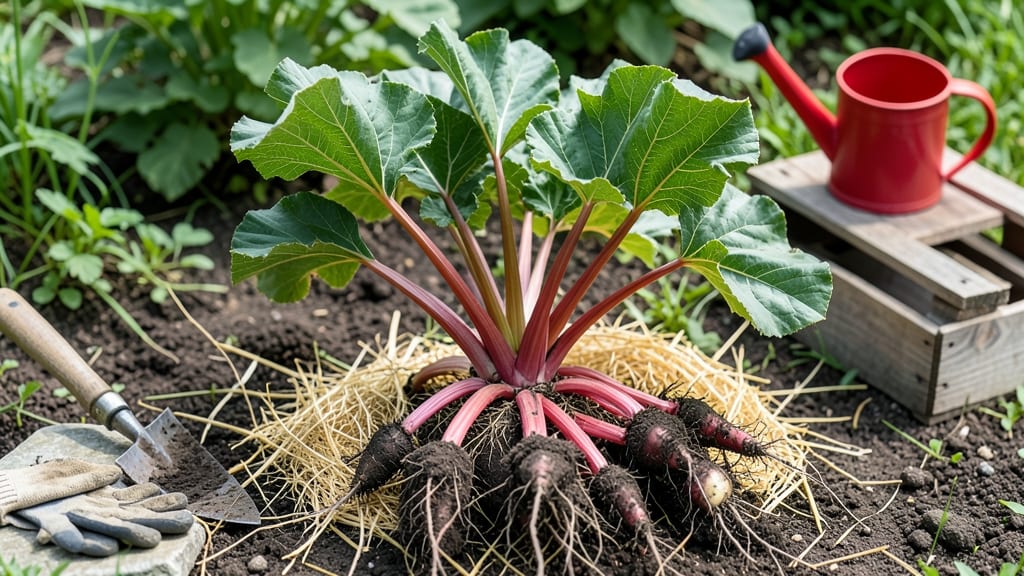
Planting rhubarb in Ohio at the right time—between mid-March and early May—sets the stage for a bountiful harvest, but Ohio’s fickle spring weather can throw off even the best-laid plans.
If you’ve ever watched your rhubarb crowns wilt under a late frost or rot in soggy soil, you know how critical timing is.
The key is planting after the last average frost (April 15 in most of the state) when soil temperatures hit 50°F—but before summer heat stresses young roots.
Ohio’s USDA Zone 6a climate means rhubarb thrives here, but the window is narrow. Plant too early, and frost will damage tender crowns; too late, and your stalks won’t mature before summer’s peak.
Below, I’ll break down the exact months, soil prep tricks, and how to adjust for your specific corner of the state.
You’ll learn how to read frost forecasts, prep your soil for drainage, and choose the hardiest varieties for Ohio’s swings—so your 🍃 rhubarb grows strong enough to survive winter and reward you with crisp stalks by next June.
Best planting months for Ohio rhubarb based on hardiness zones
Ohio’s USDA hardiness zones 5a-7b create unique challenges for planting rhubarb crowns. Unlike annuals, rhubarb thrives when planted in early spring—but timing depends on your specific zone.
In colder Zone 5a, you’ll need to wait longer than Zone 7b gardeners, who can plant as early as late February. The key is planting when soil temperatures hit 50°F (10°C), ensuring roots establish before winter’s return.
Rhubarb’s perennial nature means poor timing can lead to stunted growth or even death. Ohio’s late frosts (often until mid-April) make fall planting a risky gamble—unless you’re in Zone 7b, where mild winters allow late-season planting.
For most Ohio gardeners, March through early April is the safest window, aligning with average last frost dates across the state.
Your microclimate plays a huge role. Urban areas with heat islands may thaw earlier, while rural spots can stay frozen longer. I’ve seen southern Ohio gardens plant in late February, while northeastern Ohio gardeners wait until mid-April.
Always check your local frost-free date and adjust by 2-3 weeks for safety.
Here’s the breakdown you’ve been waiting for—exact planting windows tailored to Ohio’s zones, including soil temperature thresholds and frost considerations:
Notice how Zone 7b gardeners can plant 6 weeks earlier than Zone 5a? That’s why I always recommend checking your local frost data—not just your ZIP code. For example, Columbus (Zone 6a) typically plants in late February, while Cleveland (Zone 5b) waits until early April.
Even within the same zone, elevation changes can shift your ideal window by 2-3 weeks.
Fall planting is tempting in Zones 6b-7b, but I’ve seen too many failures from Ohio’s unpredictable winters. A late frost in December or January can kill young roots before they establish.
If you’re set on fall planting, stick to October in Zone 7b and use heavy mulch to insulate the crown. For most Ohio gardeners, spring planting is the safest bet—especially when you pair it with well-draining soil and full sun exposure.
Pro tip: Test your soil temperature with a soil thermometer before planting. Rhubarb roots need to activate at 50°F (10°C)—if it’s colder, wait. I’ve planted in March only to have roots rot because the soil was still 40°F (4°C).
Patience here pays off with larger stalks next season.
One more critical factor: so
How to time rhubarb planting for Ohio’s unpredictable weather patterns
Ohio’s variable spring weather can turn rhubarb planting from a straightforward task into a high-stakes gamble. Unlike annuals, rhubarb crowns need time to establish deep root systems before winter arrives—so getting the timing right is critical.
The last average frost date in Ohio typically falls between April 15 and May 15, but late cold snaps can push this window later, especially in northern Ohio zones (5a-6a).
Most gardeners wait until the soil reaches 50°F (10°C) and stays consistently warm, which usually aligns with late April to early May. However, rushing too early can expose young plants to frost damage, while waiting too long may delay your first harvest.
The key is balancing soil warmth with frost risk—a tricky equation in Ohio’s climate.
⚠️ callout warning
Planting rhubarb after May 15 in Ohio increases the chance of poor root establishment before winter. Young crowns may struggle to overwinter successfully, leading to stunted growth or death. If you miss the spring window, consider container planting for better control over soil temperature.
To navigate Ohio’s unpredictable frost patterns, start by checking your local frost-free date (available through the Old Farmer’s Almanac or NOAA). Plant your rhubarb crowns 2-3 weeks after this date to account for potential late frosts.
For example, if your last frost is May 1, aim for planting around May 15—this gives roots time to anchor before summer heat sets in.
Protect young plants with row covers or a thick layer of mulch (3-4 inches) to insulate roots during late-spring cold snaps. This extra layer can make the difference between a healthy perennial and one that struggles to recover.
In southern Ohio (zones 6b-7a), you might push planting to early April, but always monitor soil temperature with a probe or by pressing your finger into the ground.
Before planting, prepare your site by amending the soil with compost or well-rotted manure to improve drainage—a critical factor for rhubarb, which hates soggy roots.
Choose a location with full sun (6+ hours daily) and space crowns 3-4 feet apart to allow for mature growth. A pre-planting checklist helps avoid oversights:
☑️ Test soil pH (ideal: 6.0-6.8)
☑️ Loosen soil to 12 inches deep
☑️ Add organic matter for fertility
☑️ Mark frost dates on your calendar
☑️ Gather row covers or mulch for protection
☑️ Soak crowns in water overnight before planting
🌱