
Plants
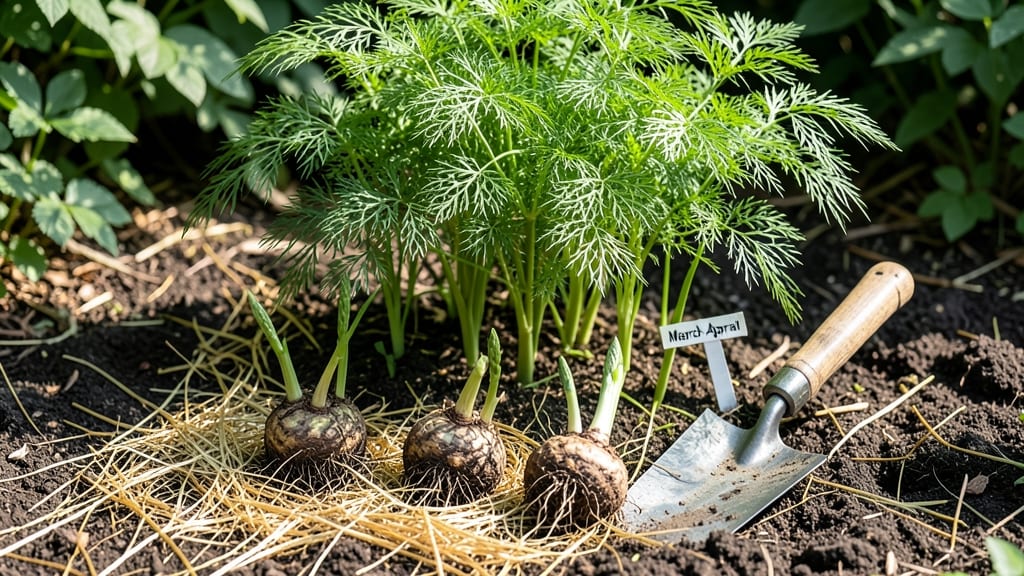
Planting asparagus in Seattle between March and April is the key to avoiding frost damage and setting up a harvest that lasts for years.
Seattle’s unpredictable weather can make planting asparagus tricky—but timing it right ensures a thriving harvest for years. If you’ve ever watched your asparagus crowns wilt under a late frost or struggle to establish in soggy soil, you know how critical the right window is.
In Zone 8a, the goal is to get those crowns in the ground when soil temperatures hit 50°F—usually by mid-March—but not so early that a surprise frost catches them off guard. The right timing isn’t just about the calendar; it’s about reading the soil and the sky.
Below, I’ll walk you through the exact months to plant, how to prep Seattle’s clay-heavy soil for success, and the three mistakes that kill asparagus before it even gets a chance to grow.
Seattle asparagus planting calendar: exact months for zero-frost success
Seattle’s Zone 8a climate creates a delicate window for planting asparagus crowns—too early risks frost damage, while waiting too long delays harvest. The ideal planting window spans just 6-8 weeks, making timing critical for success.
Unlike warmer climates, Seattle’s cool, wet springs demand precise soil temperature monitoring to ensure root establishment before summer heat arrives.
Most gardeners in Puget Sound microclimates (including Seattle) target March through early April for planting, but soil temperature thresholds of 50°F (10°C) or warmer are non-negotiable. Cold soil slows root growth, leaving plants vulnerable to late-season frosts that can linger until mid-May in sheltered areas like Ballard or Magnolia.
Here’s the non-negotiable planting timeline for Seattle, accounting for frost risk periods and local microclimates:
While spring planting dominates, fall planting is a common misconception—Seattle’s cool, wet winters prevent asparagus crowns from establishing roots before dormancy. If you attempt fall planting, aim for late September only, but expect minimal harvest the following year compared to spring-planted beds.
Pro tip: Use a soil thermometer to verify 50°F (10°C) soil temps before planting. In elevated areas like Queen Anne, soil warms faster than lowland zones like South Park, potentially shaving 2–3 weeks off your planting window. Monitor local USDA frost maps for real-time adjustments.
For container gardening, extend your window by 2–4 weeks—pots warm up faster and can be moved to south-facing patios or greenhouse setups to escape late frosts. Just ensure containers have drainage holes to prevent waterlogging, a common killer in Seattle’s clay-heavy soils.
After planting, mulch heavily with straw or wood chips to insulate roots from temperature swings. In windy coastal areas (e.g., West Seattle), add a windbreak to protect young shoots from desiccating winds that can stunt growth. These adjustments turn Seattle’s challenges into harvest advantages.
Remember: Patience is key—asparagus crowns take 2–3 years to establish a full harvest. But by nailing the planting window and soil conditions, you’ll enjoy decades of spears with minimal effort. Start your asparagus bed this spring, and you’ll be feasting on homegrown harvests for years to come!
How to prepare Seattle soil for asparagus: a step-by-step guide
Seattle’s clay-heavy or sandy soils can make growing asparagus challenging, but with the right prep, you’ll create the perfect foundation for a high-yielding perennial crop. Asparagus thrives in well-draining, slightly alkaline soil with a pH between 6.5 and 7.5, so let’s get your garden ready for planting season.
Start by testing your soil’s pH and drainage at least 6-8 weeks before planting. Seattle’s acidic soils (common in the region) need lime to raise pH, while sandy patches require organic matter to retain moisture.
Grab a soil test kit from your local nursery or send a sample to the Washington State University Soil Lab for precise results.
Once you know your soil’s condition, it’s time to amend it. For clay soils, mix in 3-4 inches of compost and sand (like coarse builder’s sand) to improve drainage. For sandy soils, blend in 2-3 inches of compost and peat moss to boost nutrient retention.
Work these amendments into the top 12 inches of soil where your asparagus crowns will sit.
Step-by-Step Soil Prep for Asparagus in Seattle
-
Step 1: Test Soil
Check pH (6.5-7.5) and drainage. Seattle soils often need lime (dolomitic lime) to raise pH. -
Step 2: Amend Clay Soil
Mix in 3-4" compost + sand to loosen heavy clay. Aim for well-draining soil. -
Step 3: Amend Sandy Soil
Add 2-3" compost + peat moss to retain moisture. Sandy soil drains too fast for asparagus roots. -
Step 4: Add Fertilizer
Work in 5-10-10 fertilizer (1 cup per 10 sq ft) for phosphorus to boost root growth. -
Step 5: Mulch Heavily
Apply 4-6" wood chips or straw to suppress weeds and retain moisture. -
Step 6: Wait 4-6 Weeks
Let amendments settle before planting crowns in early spring (March-April).
Don’t forget to add a balanced fertilizer like 5-10-10 (high in phosphorus) to encourage strong root development. Sprinkle 1 cup per 10 square feet into the soil and lightly till it in. This step is crucial because asparagus crowns need phosphorus to establish deep, sturdy roots before they produce spears.
After amending, mulch generously with 4-6 inches of wood chips or straw. Mulch helps regulate soil temperature, reduces weed competition, and keeps moisture levels consistent—critical for Seattle’s unpredictable spring rains. Replenish mulch annually in early spring to maintain these benefits.
With your soil prepped and ready, your asparagus crowns will have the ideal environment to thrive. Plant them 6-8 inches deep and 12-18 inches apart in early spring (March-April), just as the soil warms to 50°F or above.
This timing ensures your plants establish before Seattle’s cooler summer nights set in.