
Plants
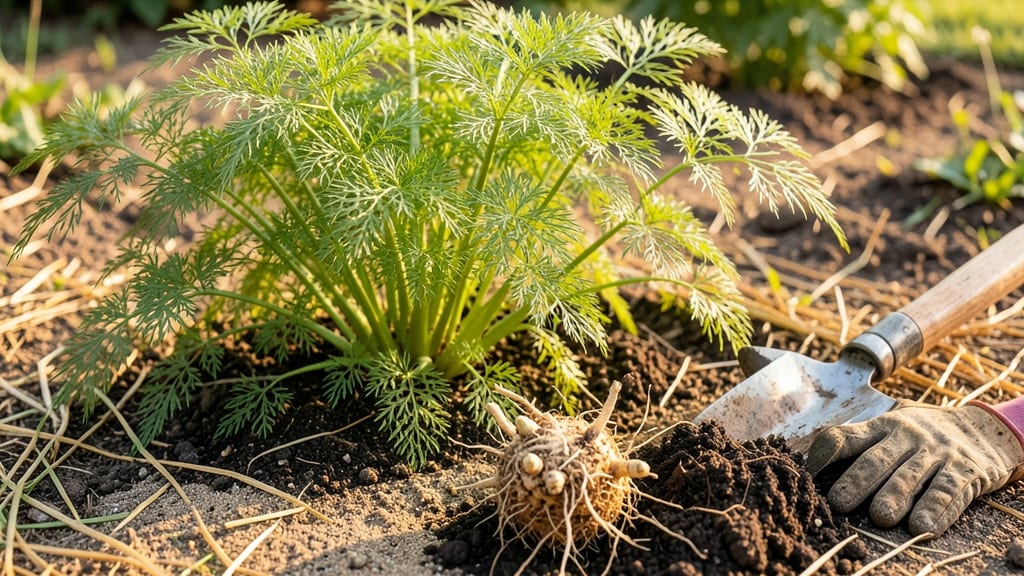
Planting asparagus in Louisiana means timing it right for zero-frost risk and the longest possible harvest window—usually between late January and early March.
Here’s the catch: Louisiana’s humid climate and warm winters might tempt you to plant early, but rushing it can leave your 🌱 asparagus vulnerable to unexpected cold snaps. Meanwhile, waiting too long risks missing the sweet spot for spears by next spring.
The key is knowing your last frost date and soil temperature thresholds, which vary wildly from Baton Rouge to New Orleans.
In this guide, I’ll break down the exact planting window for Louisiana’s USDA zones 8a-9b, including how to adjust for coastal humidity and clay-heavy soils. You’ll also learn how to prep your soil for maximum yield and avoid the three mistakes that kill asparagus crops here.
By the end, you’ll know not just when to plant, but how to set up your asparagus for a 10-year harvest—starting as early as next spring.
Best asparagus planting months in Louisiana (with frost-free guarantees)
Louisiana’s warm winters and long growing season create a perfect environment for asparagus, but timing your planting is critical to avoid late frosts or missed harvests. Unlike northern states, Louisiana’s USDA Zones 8a–9a offer year-round planting flexibility, but microclimates—like coastal humidity vs. inland dryness—shift ideal windows.
Here’s the exact frost-free planting schedule tailored to your region.
For asparagus crowns (the most common method), aim to plant 4–6 weeks before your last frost date.
In Louisiana, this typically means January through early March in Zone 8a (e.g., Monroe, Natchitoches) and December through April in Zone 9a (e.g., New Orleans, Baton Rouge). Seeds, on the other hand, need soil temperatures above 60°F, pushing ideal planting to March–April statewide.
Here’s how Louisiana’s microclimates break down for zero-frost-risk planting:
In North Louisiana (Zone 8a), where frost lingers until mid-February, planting asparagus crowns in January gives roots time to establish before spears emerge. Central Louisiana (Zone 8b) offers a 6-week extension, letting you plant as late as mid-March without frost risk.
Meanwhile, South Louisiana (Zone 9a) is the most flexible—you can even plant fall crowns in December for an early spring harvest.
For seeds, wait until soil temperatures consistently hit 60°F, which in Louisiana typically means March–April.
Seeds planted too early may rot in cold, wet soil, while late plantings delay your first harvest by a full year. Pro tip: Use a soil thermometer to confirm readiness—asparagus seeds need warmth to germinate.
Louisiana’s humid summers also mean fall planting is risky—high heat and humidity stress young plants. If you’re in Zone 9a and want a fall harvest, plant crowns in late summer (August–September) for a winter-to-spring crop.
However, this requires extra mulch to protect roots from freezing temperatures, even in mild winters.
One common mistake in Louisiana is planting too late and expecting spears the same year. Asparagus is a perennial crop—you’ll see foliage in year 1 but spears in years 2–3.
Planting in January–February ensures your first harvest arrives in spring 2025, not 2024. Patience pays off with 10–15 years of harvests!
To maximize your Louisiana asparagus success, pair planting with soil prep: Amend clay-heavy soils with compost or sand for drainage, and maintain a pH of 6.5–7.5. Mulch heavily to retain moisture in our hot summers and protect roots in unexpected cold snaps.
With the right timing, you’ll enjoy fresh spears from March to May—and maybe even a second harvest in fall!
🌱
How to prepare Louisiana soil for asparagus (and avoid these 3 deadly mistakes)
Louisiana’s clay-heavy soils and humid climate create unique challenges for growing asparagus. Unlike northern states, our high moisture levels and compacted soil can suffocate roots if not properly amended. The key to success lies in creating a well-draining, nutrient-rich environment that mimics asparagus's natural preferences.
Without proper prep, you risk stunted growth, poor spear production, or even plant death.
Asparagus thrives in soil with a pH between 6.5 and 7.5, but Louisiana’s natural acidity often pushes soils below this range. Testing your soil’s pH before planting is non-negotiable—many gardeners skip this step and end up with nutrient-locked plants that struggle to absorb essential minerals.
Even if your soil tests within range, Louisiana’s sandy pockets (common in areas like Lafayette) or heavy clay (dominant in New Orleans) require specific amendments to create the perfect growing medium.
⚠️ Warning: Louisiana-Specific Pitfalls
- Overwatering in Humid Summers – Asparagus roots rot quickly in soggy soil. Louisiana’s 240+ frost-free days mean prolonged wet conditions if drainage isn’t improved.
- pH Below 6.0 – Common in acidic Louisiana soils, this causes iron and manganese toxicity, stunting growth.
- Compacted Clay Soil – Without amendments, roots can’t penetrate, leading to shallow growth and weak spears.
Fix: Test soil pH, add gypsum for clay or compost for sand, and raise beds if needed.
Start by testing your soil’s pH using a home test kit or send a sample to the LSU AgCenter Soil Lab for professional analysis. If your pH reads below 6.5, incorporate pelletized lime (10 lbs per 100 sq ft) into the top 12 inches of soil.
For sandy soils, mix in 2-3 inches of compost to improve water retention, while clay-heavy soils benefit from gypsum (20 lbs per 100 sq ft) to break up compaction. Work these amendments into the soil 4-6 weeks before planting to allow them to integrate fully.
Drainage is critical in Louisiana’s wet climate. If your garden sits in a low spot or has a history of standing water, consider building raised beds (12-18 inches high) filled with a 50/50 mix of native soil and compost.
This elevates roots above potential waterlogging while still allowing heat to penetrate for faster growth. For in-ground planting, create mounds 6-8 inches high where asparagus crowns will be placed, ensuring water runs off rather than pools around the base.
Asparagus is a heavy feeder, so enrich the soil with well-rotted manure or aged compost (3-4 inches worked into the top 12 inches). Avoid fresh manure, which can burn tender roots.
In Louisiana’s USDA Zones 8a-9b, where winters are mild, you can also plant asparagus in fall (October-November) for an early spring harvest. However, this requires extra attention to soil warmth—roots need to establish before temperatures drop below 50°F.
Finally, mulch heavily with straw or pine needles (2-3 inches) to retain moisture, suppress weeds, and regulate soil temperature. In Louisiana’s hot summers, mulch prevents soil from drying out too quickly, while in cooler months, it insulates roots.
Avoid thick layers of organic mulch, which can mat down and reduce oxygen flow to roots. With these steps, your Louisiana soil will be primed to grow vigorous asparagus plants that produce spears for 10+ years. 🌱