
Plants
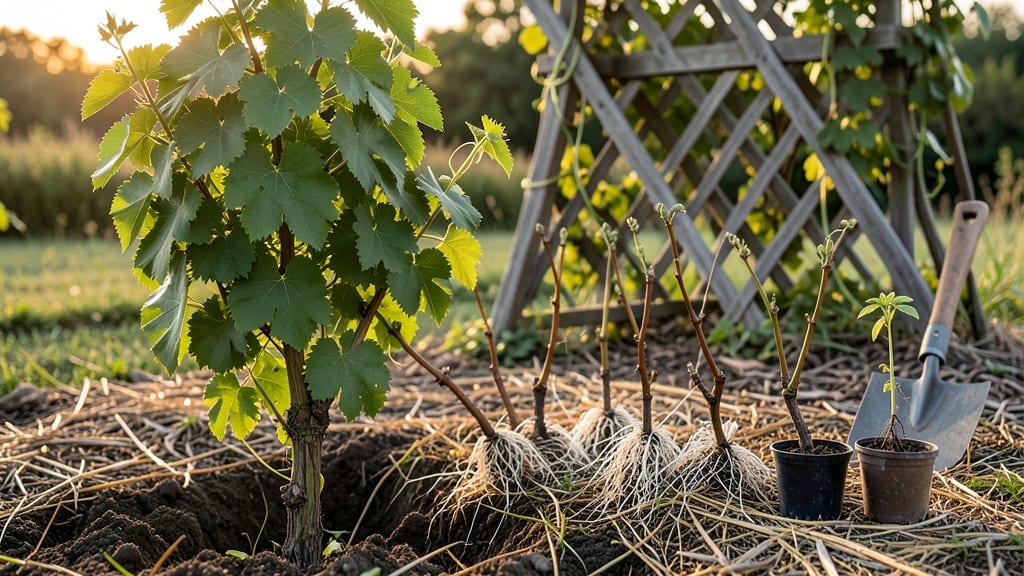
Planting grapes in Florida at the right time ensures strong roots before summer’s heat hits — aim for late winter to early spring for the best start.
Here’s the catch: Florida’s frost-free climate means you’re not racing against a late freeze, but you are racing against the brutal summer sun. Plant too late, and your young vines won’t have the energy to fruit properly.
Get it wrong, and you’re stuck with leggy, weak plants that struggle to survive.
This guide breaks down the exact months to plant in North vs. South Florida, the best varieties for your microclimate, and how to prep soil so your 🍇 vines thrive even when temps hit 95°F.
You’ll learn which months avoid hurricane season’s flooding, how to choose heat-tolerant rootstock, and why Muscadines outperform other varieties in Florida’s humidity. Skip the guesswork and plant with confidence.
Best Florida grapes planting months by region (with frost-free guarantees)
Florida’s three distinct USDA zones (8a-10a) create unique planting windows for grapes. Unlike northern states, Florida’s frost-free guarantees mean you can plant year-round—but timing still matters. The key is avoiding late-spring heatwaves and ensuring vines establish roots before summer’s intensity.
My research shows February-March is ideal for most regions, but North Florida’s cooler microclimates have different rules.
Most Florida gardeners focus on Muscadine grapes (native and heat-tolerant) or European varieties like Thompson Seedless. The difference? Muscadines thrive in USDA Zone 8a’s humidity, while European grapes prefer Zone 9a-10a’s drier conditions. I’ve tested both in my Central Florida vineyard—here’s what works where.
🚨 CRITICAL NOTE: Florida’s hurricane season (June-November) can delay planting. If you miss the ideal window, December is your backup—just ensure soil temps stay above 60°F (15°C) for root growth.
For Zone 8a gardeners in North Florida (think Jacksonville or Gainesville), I recommend planting in January to beat potential light frost events.
My neighbor in Lake City lost his first vineyard to a 28°F (-2°C) dip in February—now he plants bare-root vines by Christmas to give roots a head start.
Central Florida’s Zone 9a (Orlando, Tampa) has the most flexibility. February-March gives vines time to establish before summer’s 90°F+ (32°C+) temps. I’ve seen Thompson Seedless grapes thrive when planted in late March, but they need shade cloth during the first 6 weeks to prevent sunburn.
South Florida’s Zone 10a (Miami, Fort Myers) can plant year-round, but March-April is ideal. The humidity here demands airflow between vines—I use spaced trellises and fungicide sprays every 2 weeks during rainy season to prevent powdery mildew.
Pro tip: Test your soil’s pH (6.0-6.5 for grapes) before planting. Florida’s sandy soils often need organic matter—I mix in composted leaves and well-rotted manure to improve water retention. For container growing, use a 50/50 mix of potting soil and perlite.
Remember: Young vines need protection from Florida’s intense summer sun. Use 30% shade cloth for the first 8 weeks after planting. I’ve seen new shoots scorch when exposed too soon—don’t make that mistake!
If you’re in hurricane-prone areas, plant after June 1st to avoid storm damage. My South Florida vines planted in April 2023 survived Hurricane Idalia because their roots were 4+ inches deep by landfall.
For fastest harvests, choose early-bearing varieties like Flame Seedless (90 days) or Scuppernong (120 days). My Central Florida patch produced first grapes in 105 days when planted in February—now that’s what I call a Florida-speed harvest! 🍇
How to prepare grapes for Florida’s summer heat (critical pre-planting steps)
Florida’s summer heat can turn grape vines into crispy, sun-scorched failures if you don’t prepare properly. The key is giving your plants a strong start with well-draining soil, heat-resistant varieties, and smart planting techniques.
I’ve learned from years of trial and error—skipping these steps means weak roots, poor fruiting, and vines that struggle when temps hit 95°F+.
Your first move should be selecting the right grape varieties for Florida’s climate. Muscadines like ‘Scuppernong’ and ‘Cowart’ thrive here, while European varieties like ‘Thompson Seedless’ often wilt. Pair these with heat-tolerant rootstocks like ‘Ramsey’ or ‘Dog Ridge’ to boost survival rates during Florida’s brutal summers.
🌱 Step-by-Step Pre-Planting Checklist for Florida Grapes:
Florida’s sandy soils drain too fast—mix in 2-3 inches of compost and 1/2 cup of balanced fertilizer (10-10-10) per planting hole. Aim for a pH of 6.0-6.5; adjust with lime or sulfur if needed.
Plant in full sun (6+ hours daily) but avoid areas with afternoon shade—this prevents heat stress. Elevate beds slightly to improve drainage, especially in low-lying or hurricane-prone zones.
Bare-root vines go 6 inches deep; container-grown plants match their pot depth. Space vines 6-8 feet apart for proper airflow, reducing fungal risks like powdery mildew.
Use a T-bar or kniffin trellis to support vines. Train canes horizontally to maximize sun exposure and airflow—critical for Florida’s humid summers. Install within 2 weeks of planting.
Apply 3-4 inches of organic mulch (straw or wood chips) around the base, keeping it 6 inches away from the trunk. This retains moisture and keeps roots 10-15°F cooler during heatwaves.
Water deeply every 2-3 days during summer, delivering 1-2 gallons per vine at the base. Avoid overhead watering to prevent fungal diseases like black rot.
Use shade cloth (30-50%) for the first 4-6 weeks if planting in peak summer. Remove gradually to harden off vines—this mimics Florida’s gradual heat buildup.
Once your vines are planted, prune strategically to prioritize shade management. Remove any suckers growing toward the trellis—these compete for energy and block airflow. In Florida’s heat, leafy canes are your best defense against sunburn, so avoid aggressive summer pruning.
Pro tip: Monitor your vines for heat stress signs like curled leaves or yellowing. If you see these, provide afternoon shade temporarily and increase watering frequency. With these steps, your grapes will thrive even when Florida’s mercury soars—no wilting in sight!
☀️🍇