
Plants
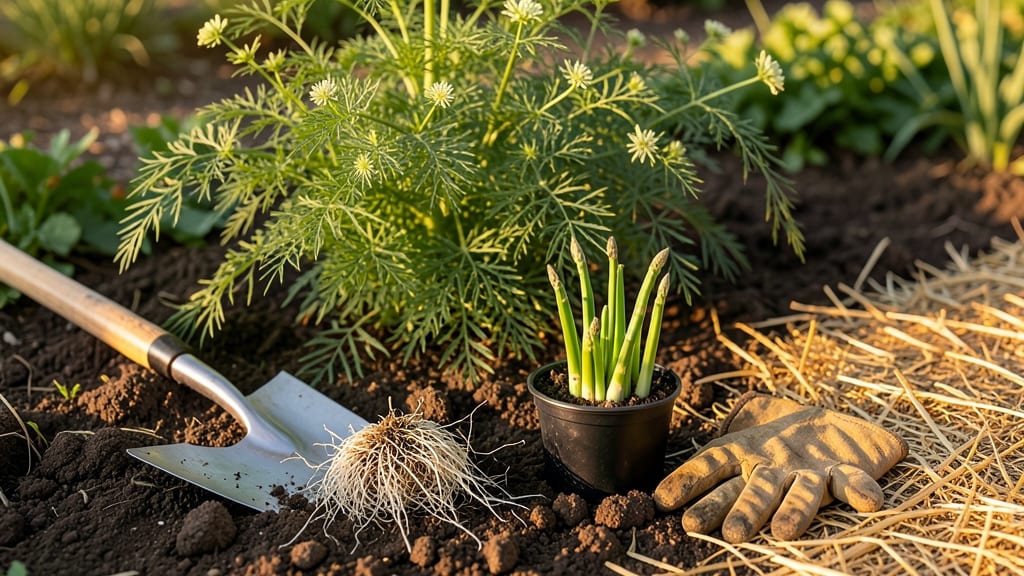
Planting asparagus in Florida starts in late winter to early spring — the ideal window to beat the heat and ensure a robust harvest.
Florida’s warm climate lets you grow asparagus year-round—but timing is everything. Plant too early, and you risk frost damage; too late, and your harvest may suffer. Here’s the exact schedule to maximize your Florida asparagus yield.
North Florida’s cooler winters mean crowns should go in the ground by February, while South Florida gardeners can extend planting into March or April without frost worries. The key is soil temperature: aim for 60°F or warmer before planting.
Below, I’ll break down the best months for each Florida region, soil prep tips to avoid common mistakes, and how to stagger plantings for a year-round harvest—just like the pros at the Florida Extension Service recommend.
Best months to plant asparagus in Florida’s climate zones
Florida’s unique climate—spanning USDA Zones 8a-11—creates distinct planting windows for asparagus. Unlike northern states, Florida’s frost-free growing season allows year-round planting, but timing still matters to avoid heat stress or poor germination.
North Florida’s cooler winters and South Florida’s year-round warmth mean you’ll need different strategies for each region.
For optimal germination, asparagus crowns need soil temperatures between 50°F and 70°F. In North Florida, this means planting in late winter to early spring (February-March), while South Florida gardeners can plant year-round with staggered schedules. Even in frost-free zones, summer planting risks heat shock—so timing is key.
Here’s a detailed comparison of planting windows across Florida’s three main climate zones, including frost risk analysis and soil temperature requirements:
| Climate Zone | Best Planting Months | Soil Temp for Germination | Frost Risk | Harvest Window |
|---|---|---|---|---|
| North Florida (Zones 8a-8b) | February–March | 50°F–65°F | Low (Jan 15–Dec 1) | March–May |
| Central Florida (Zones 9a-9b) | January–April | 55°F–70°F | Very Low (Dec 1–Jan 15) | February–June |
| South Florida (Zones 10a-11) | Year-round (staggered) | 60°F–75°F | None | January–December |
🌱 Note: Staggered plantings every 4–6 weeks in South Florida ensure continuous harvests.
In North Florida, where rare frosts can still occur, planting in February or March ensures crowns establish roots before summer heat arrives. Aim for soil temperatures above 50°F—use a soil thermometer if unsure. Avoid planting in late summer, as high temperatures slow germination.
Central Florida’s milder winters extend the planting window to January through April. This zone benefits from two harvest cycles: one in spring and another in fall.
Plant crowns in January for a spring harvest or April for a fall harvest. Always monitor soil moisture—Central Florida’s humid summers can lead to waterlogged soil.
South Florida gardeners enjoy the most flexibility, with year-round planting possible. However, for best results, plant crowns in January, March, and May to stagger harvests. Avoid planting in July and August, when intense heat can stress young plants. Use shade cloth if planting in peak summer months.
Regardless of your Florida zone, soil preparation is critical. Asparagus thrives in well-draining, slightly alkaline soil (pH 6.5–7.5). Work in 2–3 inches of compost and avoid fresh manure, which can burn crowns. Mulch heavily with straw or pine needles to retain moisture and suppress weeds.
After planting, keep soil consistently moist but not soggy. In North and Central Florida, reduce watering in summer dormancy (June–August). South Florida’s year-round growing season requires more frequent watering—aim for 1–1.5 inches per week. Fertilize lightly in spring and fall with a balanced 5-10-10 formula.
With the right timing, your Florida asparagus patch can produce spears for 15+ years. Start small—plant 10–15 crowns to test your zone’s conditions—then expand based on success. Happy planting! 🌱
How to time asparagus planting for a year-round Florida harvest
Florida’s year-round growing potential makes it possible to harvest asparagus almost any month—but only if you plant strategically. Unlike northern climates, Florida’s warm winters and hot summers require staggered planting to avoid stressing your plants during peak heat or rare cold snaps.
The key is understanding crown maturity and how Florida’s microclimates affect growth timing.
For a continuous harvest, I recommend planting three separate batches spaced 4-6 weeks apart. This ensures that while one batch is recovering from summer dormancy, another is actively producing spears.
North Florida gardeners should start their first batch in late February, while South Florida can begin as early as January—just avoid planting during Florida’s rare cold snaps that can drop temperatures below 30°F.
- 📅 Batch 1: Plant crowns in late February-March (North FL) or January-February (South FL) for spring harvests (March-May).
- 🌱 Batch 2: Plant 4-6 weeks later (April-May) to fill the summer harvest gap when first batch recovers from heat stress.
- 🌡️ Batch 3: Plant August-September for fall harvests (October-November) before winter dormancy begins.
- 💧 Soil temp check: Wait until soil reaches 50°F+ at 4" depth—use a soil thermometer to avoid cold damage.
- ⏳ Patience payoff: First harvest won’t come until Year 3, but staggered batches ensure continuous spears afterward.
Here’s how I adjust care based on Florida’s seasons: In spring, focus on watering deeply (1-2 inches per week) as spears emerge, while in summer, reduce watering slightly to prevent fungal issues during the plant’s natural dormancy. Fall is prime time for fertilizing (use a 5-10-10 NPK blend) to prep for winter growth.
Pro tip: Use black plastic mulch in summer to keep soil temps ideal and suppress weeds. This is especially critical in Central Florida, where summer heat can stress young crowns. For organic gardeners, try straw mulch instead—just monitor moisture levels closely during Florida’s dry season (November-April).
Remember, Florida’s humidity means asparagus ferns stay green year-round, but don’t let that fool you—summer dormancy is real. Your third planting batch (August-September) will give you spears just as the first batch recovers, creating a perfect harvest overlap from October through March.
For urban gardeners with limited space, consider container growing using large pots (18"+ deep). Plant crowns in well-draining potting mix and keep them in full sun—just be prepared for slightly smaller yields compared to in-ground plantings. The timing principles remain the same, though!