When Is the Best Time to Plant in Florida: Avoid These 3 Mistakes for Year-Round Success

Plants

When Is the Best Time to Plant in Florida: Avoid These 3 Mistakes for Year-Round Success

The best time to plant in Florida depends on your zone, but most gardeners get it wrong by ignoring the heat tolerance of their crops — especially in the sweltering summer months.

Florida’s warm climate lets you grow plants year-round, but planting at the wrong time can mean wasted effort, stunted growth, or even crop failure.

Whether you're growing vegetables, flowers, or native plants, timing is everything — and the three most common mistakes (like planting cool-season crops too late or skipping soil prep) can derail even the most well-intentioned gardener.

In this guide, I’ll break down the month-by-month planting windows for Florida’s two main zones (North vs. Central/South), including frost-free dates, heat tolerance thresholds, and seasonal exceptions for tropical vs. temperate plants.

You’ll also discover how to avoid the top three planting mistakes, plus year-round hacks to extend your growing season — so you can enjoy a thriving garden no matter what time of year it is.

🌱 When to Plant Florida
Jan ❄️
Feb ❄️
Mar 🌱
Apr 🌱
May 🌱
Jun 🌱
Jul ☀️
Aug ☀️
Sep 🍂
Oct 🍂
Nov 🍂
Dec ❄️
Ideal Time
Also Good

Florida planting calendar by zone: month-by-month guide for vegetables, flowers, and trees

Florida’s diverse climate zones mean you can grow almost anything year-round—but timing matters. North Florida (Zones 8a-9a) has cooler winters with occasional frost, while Central/South Florida (Zones 10a-11) stays warm year-round.

This guide breaks down the best planting windows for vegetables, flowers, and trees in each zone, so you avoid wasted effort and maximize yields.

For North Florida, focus on spring and fall for cool-season crops like lettuce and broccoli, while Central/South Florida gardeners can plant warm-season crops like tomatoes and peppers almost year-round.

Even here, heat spikes in summer and humidity fluctuations can stress plants if you don’t time it right. Let’s dive into the month-by-month breakdown to keep your garden thriving.

Month North Florida (Zones 8a-9a) Central/South Florida (Zones 10a-11) Key Notes
January Cool-season veggies (lettuce, spinach), onions, peas Tomatoes, peppers, cucumbers (shade cloth for heat-sensitive starts) North: Frost risk—cover tender plants. South: Start warm-season crops early.
February Broccoli, carrots, radishes; transplant warm-season starts indoors Direct-sow beans, squash, melons; transplant citrus trees North: Soil warms by late month. South: Avoid planting during dry spells.
March Warm-season crops (tomatoes, peppers, okra) after last frost Plant sweet potatoes, corn, and heat-tolerant flowers (hibiscus, bougainvillea) North: Wait until soil reaches 65°F+. South: Mulch to retain moisture.
April Peppers, eggplants, sweet potatoes; succession plant beans Direct-sow okra, southern peas; transplant tropical trees (mango, avocado) North: Monitor for late frosts. South: Watch for hurricane season prep.
May Heat-tolerant greens (collards, Swiss chard); start fall crops indoors Plant sweet corn, cucumbers, and heat-loving flowers (sunflowers, zinnias) North: Provide afternoon shade for tender plants. South: Increase watering frequency.
June Okra, sweet potatoes, peppers; mulch heavily Direct-sow beans, pumpkins; transplant tropical shrubs (hibiscus, plumeria) Both zones: Drought stress—use drip irrigation. North: Watch for tomato blight.
July Heat-tolerant crops (okra, peppers); start fall broccoli/cauliflower indoors Plant southern peas, okra, and drought-resistant flowers (portulaca) North: Shade cloth essential. South: Monsoon season—improve drainage.
August Sweet potatoes, peppers; transplant fall crops (kale, lettuce) Direct-sow winter squash, pumpkins; transplant citrus trees North: Prepare for hurricane season. South: Prune tropical plants.
September Broccoli, cabbage, carrots; transplant tomatoes for fall harvest Plant beans, peas, and heat-sensitive flowers (marigolds, cosmos) North: Soil cools—cover crops for winter. South: Typhoon prep.
October Cool-season crops (spinach, lettuce, onions); transplant trees Direct-sow winter radishes, turnips; transplant citrus North: Frost risk after November 15. South: Ideal planting month.

3 Critical planting mistakes in Florida (and how to fix them)

Florida’s long growing season makes it tempting to plant almost anytime—but timing is everything. I’ve seen even veteran gardeners make costly mistakes that lead to stunted plants, wasted seeds, or total crop failure. The key is understanding Florida’s microclimates and how they affect planting windows.

For example, North Florida’s frost risk (even in March!) differs drastically from South Florida’s year-round heat. Let’s break down the top 3 planting mistakes and how to avoid them.

First, let’s address the biggest misconception: planting cool-season crops too early. Many gardeners assume Florida’s mild winters mean they can plant lettuce or broccoli in January. But without protection, these plants bolt or rot when nighttime temps dip below 50°F.

Even in South Florida, humidity spikes in spring can trigger fungal diseases if you don’t space plants properly. The fix? Use row covers or plant in shaded beds until soil warms to 65°F.

⚠️ Warning: Planting Lettuce in July = 90% Bolt Risk

Florida’s summer heat forces leafy greens into reproductive mode. If you must grow them in summer, use shade cloth (30-50%) and choose heat-tolerant varieties like Romaine or Swiss chard. For best results, stick to warm-season crops like okra or sweet potatoes during peak heat.

Second, many gardeners ignore soil temperature when planting. I’ve seen tomatoes planted in March in North Florida that simply refuse to germinate because the soil is still too cold. The rule of thumb? Wait until soil reaches 70°F for warm-season crops.

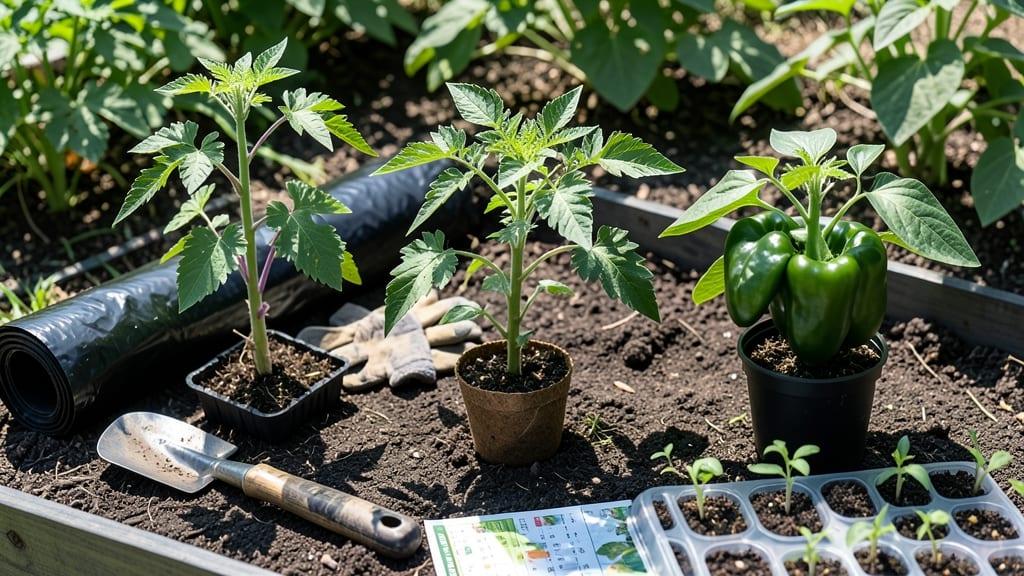
Use a soil thermometer—it’s the only way to know for sure. For cool-season crops, aim for 60-65°F. Pro tip: Black plastic mulch warms soil 5-10°F faster than bare earth.

Third, choosing non-native varieties without heat or humidity tolerance is a recipe for disappointment. For example, Northern-grown basil wilts in Florida’s 90°F+ afternoons unless you provide afternoon shade. Instead, opt for Florida-friendly varieties like Genovese basil (with better heat tolerance) or Thai basil.

For flowers, impatiens thrive in Florida’s shade, while marigolds handle full sun and humidity better than many annuals.

To fix these mistakes, adopt a succession planting strategy. Instead of planting everything at once, stagger seeds every 2-3 weeks to ensure a continuous harvest. For example, plant beans every 10 days from March to October.

This spreads out your risk and maximizes your garden’s potential. Pair this with mulching to regulate soil temperature and retain moisture—critical in Florida’s dry winters and humid summers.

Remember, Florida’s climate is unique, and what works in Zone 8 North (like Gainesville) may fail in Zone 10 South (like Miami). Always check your local frost dates and adjust accordingly.

With these fixes, you’ll avoid the most common pitfalls and enjoy a bountiful, year-round harvest—no matter where you garden in Florida.

★★★★★4.8(6 reviews)
Categories Plants