
Plants
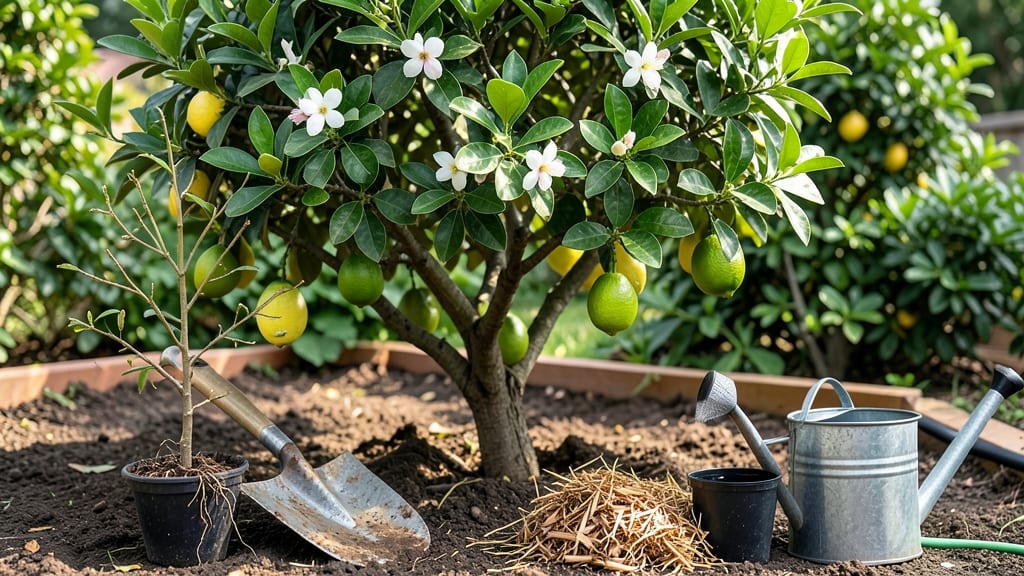
Planting a lemon tree in Louisiana after the last frost date — typically mid-February to early March — gives it the best shot at thriving in your 8a-9b climate.
You’ve got the perfect subtropical conditions for a 🍋 lemon tree, but timing matters. A late planting can leave your tree vulnerable to those sneaky late frosts, while an early start risks soggy roots in winter’s leftover damp. The key? Waiting until soil temps hit 60°F consistently.
Louisiana’s microclimates add another layer: coastal areas like New Orleans can plant a week earlier than inland spots near Shreveport. Container growing also buys you flexibility—just move potted trees indoors if frost threatens.
Below, I’ll walk you through the exact frost-free window, soil prep secrets, and how to protect young trees from summer’s other enemy: heat stress. Skip the guesswork and plant with confidence.
Louisiana’s frost-free planting window for lemon trees: month-by-month guide
Planting a lemon tree in Louisiana requires precise timing to avoid frost damage and maximize growth. With USDA zones 8a-9b, your frost-free window spans February through March and September through October, but regional microclimates create subtle differences between New Orleans and Shreveport.
Understanding these variations ensures your tree thrives year-round.
Lemon trees (Citrus limon) love Louisiana’s warm climate but are sensitive to temperatures below 28°F (-2°C). The last frost date averages around February 15, while the first frost typically arrives in mid-December.
Planting outside this window risks stunted growth or even death, especially for young trees.
Here’s how to align your planting schedule with Louisiana’s climate zones and regional frost patterns:
| Region | Best Planting Months | Soil Temperature | Frost Risk | Key Considerations |
|---|---|---|---|---|
| New Orleans (Zone 8b-9a) | Late Feb–March and Sept–Oct | 60–65°F (15–18°C) | Low (avg. last frost: Feb 20) | Warmer microclimates; use mulch for winter protection. |
| Shreveport (Zone 8a) | March–April and Sept–early Oct | 55–60°F (13–15°C) | Moderate (avg. last frost: March 5) | Cooler nights; opt for container planting for mobility. |
| Baton Rouge (Zone 8a-8b) | Feb–March and Sept–Oct | 58–62°F (14–17°C) | Low-Moderate (avg. last frost: Feb 28) | Balanced climate; amend soil with compost for drainage. |
| Container Planting (Anywhere) | March–April or Sept–Oct | 60°F+ (15°C+) | None (mobile protection) | Move indoors during frost; use large pots for stability. |
For spring planting (Feb–March), aim to plant after the last frost date when soil temperatures consistently stay above 60°F (15°C). In New Orleans, this is typically by late February, while Shreveport gardeners should wait until early March to avoid late frosts.
Use a soil thermometer to confirm readiness—lemon trees won’t thrive in cold soil.
If you prefer fall planting (Sept–Oct), choose September to give roots time to establish before winter. Avoid planting in October unless you’re in Zone 9a or warmer, as cooler nights slow root growth. Always mulch heavily (3–4 inches) to insulate roots from temperature swings.
In Shreveport’s cooler microclimate, container planting offers flexibility. Move pots indoors or under a frost cloth during December–February. For in-ground trees, select a south-facing location to capture warmth and protect against northerly winds.
In New Orleans, focus on drainage—clay soils can suffocate roots, so amend with organic matter like pine bark fines.
Pro tip: Monitor the National Weather Service’s frost advisories for your area. Even in Zone 9, unexpected cold snaps can occur. A space heater or Christmas lights wrapped around the trunk can provide 5–10°F of extra protection during light frosts (28–32°F).
Once planted, maintain consistent moisture for the first 3 months to encourage root development. Lemon trees in Louisiana need 1–2 gallons of water every 3–5 days, but adjust for container vs. in-ground and seasonal heat. Mulch with straw or wood chips to retain moisture and regulate soil temperature.
By aligning your planting with Louisiana’s frost-free window and adapting to regional microclimates, you’ll give your lemon tree the best chance to flourish—producing juicy fruit year-round. 🍋
Microclimate hacks to extend your lemon tree’s growing season in Louisiana
Louisiana’s humid subtropical climate offers perfect conditions for lemon trees—but late frosts and summer heatwaves can still threaten your harvest. The key to success lies in creating protective microclimates that buffer temperature extremes.
Whether you're growing in the ground or containers, these practical hacks will help your lemon tree thrive year-round.
Microclimates are the localized weather conditions around your tree that can be warmer by 5-10°F than the surrounding area. In Louisiana, this means sheltered spots near fences, south-facing walls, or even under large oak trees can provide the extra protection your citrus needs.
By strategically placing your lemon tree and using simple barriers, you can extend the growing season by 4-6 weeks in both spring and fall.
-
1Windbreaks – Plant dense shrubs (like privet or boxwood) or install bamboo fencing on the north and west sides of your lemon tree. This creates a 10°F warmer zone by reducing wind chill. In New Orleans, even a chain-link fence can add 3-5°F protection during late frosts.
-
2Reflective Mulch – Use white landscape fabric or gravel mulch around the base of your tree. This reflects up to 30% more sunlight back onto the trunk and roots, raising soil temperatures by 5-8°F in winter. For container-grown trees, wrap the pot in bubble wrap during cold snaps.
-
3Container Mobility – If you’re growing in pots, place them on castor wheels or use movable trays. During cold snaps, roll your tree into a garage or sunroom where temperatures stay above 40°F. In summer, move it to a shadier spot to avoid heat stress (above 95°F damages leaves).
-
4Heat-Reflective Surfaces – Paint your tree’s trunk with white latex paint to reflect sunlight and reduce heat absorption by 15-20%. For ground-planted trees, use light-colored gravel around the drip line to keep roots cooler in summer (critical in Shreveport’s 100°F+ heat).
-
5Drip Irrigation Shield – Install a clear plastic dome (like a cloche) over young trees during late winter to trap radiant heat. This can raise temperatures by 10-15°F inside the shield. Pair it with a soaker hose to keep roots hydrated without wetting the foliage (which increases frost risk).
For container gardening, microclimates become even more critical. A 5-gallon pot can swing from scorching hot in summer to freezing cold in winter because it lacks the thermal mass of in-ground soil. To mitigate this, use black pots in summer (absorbs heat) and white pots in winter (reflects sunlight).
In Baton Rouge’s Zone 8a, this simple switch can mean the difference between survival and loss during January frosts.
Don’t overlook the power of water as a microclimate tool. A deep watering before a frost can insulate roots by releasing heat as it cools. For extra protection, use a 5-gallon bucket of water placed near the tree—it acts as a heat sink, slowly releasing warmth overnight.
In summer, morning watering (before 10 AM) keeps the air around your tree 5°F cooler through evaporation.
By combining these microclimate strategies, you can push your lemon tree’s growing season from the standard 8 months to nearly 11 months in Louisiana. The result? More fruit, healthier growth, and a tree that outperforms expectations in our challenging climate.
Start with just one or two hacks this season, and watch your lemon