
Planting
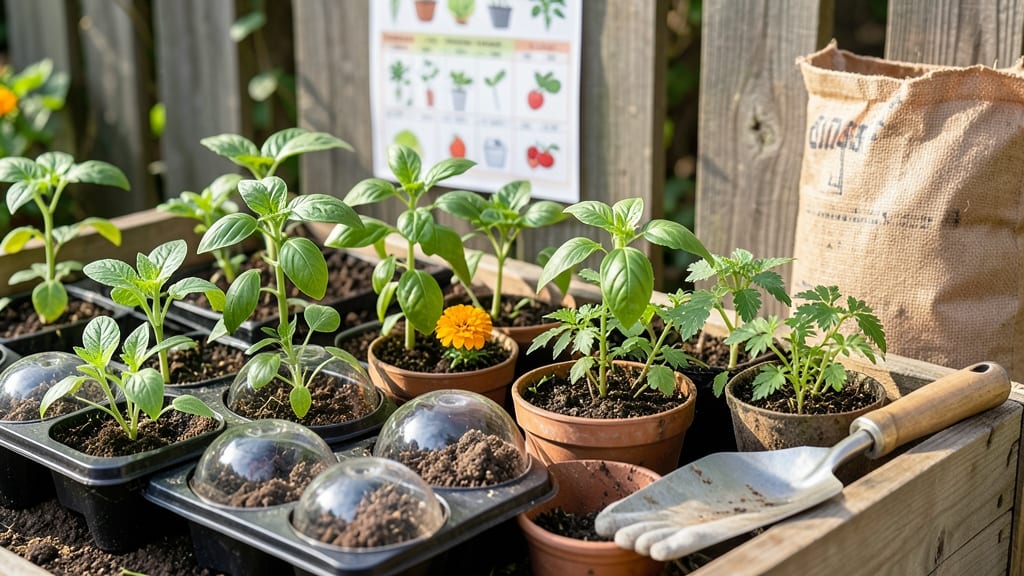
Planting a garden in the right timeframe can transform your harvest from meager to magnificent—here’s the exact window for your USDA zone.
If you’ve ever watched seeds sprout only to wilt under a late frost or bolt in summer heat, you know timing matters more than soil prep.
The difference between a bountiful harvest and wasted effort often comes down to planting in the optimal 4- to 6-week window after your last frost date.
For most gardeners in Zone 6a (like me!), that means starting cool-season crops like spinach and broccoli in early April, once the soil warms to 60°F. Warm-season favorites—tomatoes, peppers, and basil—wait until mid-May when nighttime temps stay above 55°F.
Below, I break down the zone-specific calendar you need, plus how to adjust for early frosts, microclimates, and even urban heat islands that can shift your planting window by 2-4 weeks.
USDA hardiness Zone planting calendar: exact months for vegetables, herbs, and flowers
Timing your garden planting by your USDA hardiness zone ensures your vegetables, herbs, and flowers thrive—not just survive. Each zone (3-10) has specific frost-free dates that dictate when to sow seeds or transplant seedlings.
For example, Zone 3 gardeners plant cool-season crops like spinach in early April, while Zone 10 gardeners might start tomatoes in February. Let’s break down the exact months for your region.
Understanding your last frost date is critical. In Zone 5, the average last frost is around May 10, so warm-season crops like peppers should wait until after this date.
Meanwhile, Zone 8 gardeners can plant basil as early as March 15. Below, I’ve organized planting windows by zone, crop type, and season to simplify your planning.
🌱
| Zone | Cool-Season Crops | Warm-Season Crops | Perennial Flowers | Key Tip |
|---|---|---|---|---|
| 3-4 | March-April (after frost) | May-June (soil at 60°F) | April-May (bare root) | Use row covers for early starts |
| 5-6 | April-May (after frost) | May-June (soil warm) | April (container plants) | Test soil temp with thermometer |
| 7-8 | February-March (fall/winter) | March-April (early start) | September-October (fall) | Mulch to retain soil warmth |
| 9-10 | Year-round (succession) | January-February (winter crops) | January-March (tropicals) | Plant shade-loving varieties |
For cool-season crops like broccoli and kale, Zone 3-4 gardeners should start seeds indoors in February and transplant after the last frost in April. In Zone 7-8, you can even plant a fall crop of lettuce in August-September for a winter harvest.
These crops tolerate light frosts, making them ideal for early or late seasons.
Warm-season crops like tomatoes, peppers, and basil need soil temperatures above 60°F. In Zone 5-6, wait until late May to avoid frost damage, while Zone 9-10 gardeners can plant as early as February. Use a soil thermometer to confirm readiness—this small tool saves you from wasted seeds.
Perennial flowers like lavender, coneflowers, and daylilies have their own timing rules. In Zones 3-6, plant bare-root perennials in April-May when the ground is workable. Zone 7-10 gardeners can extend planting into fall (September-October) for a head start next spring. Choose drought-tolerant varieties for low-maintenance beauty.
Adjust your planting window by 2-4 weeks if you live in a microclimate, like a urban heat island or near a large body of water. For example, a Zone 6 garden in a sheltered valley might plant warm crops 2 weeks earlier than the average date.
Always monitor local weather forecasts for unexpected frost warnings.
🌿
Pro tip: Use succession planting to maximize your harvest. For example, in Zone 8, sow bush beans every 2 weeks from April to July for a continuous supply.
This technique works for lettuce, radishes, and carrots too. Keep a gardening journal to track what works best in your zone—you’ll refine your timing each year.
Finally, don’t forget herbs like basil and cilantro. Basil thrives in warm soil and should be planted in Zone 5 after May 15, while cilantro—cool-season—does best in spring or fall. Mixing herbs with vegetables can deter pests and save space in your garden layout.
☀️
How to adjust planting times for early/late frosts and microclimates
Frost can turn your garden dreams into icy disappointments if you're not prepared. Even within a USDA hardiness zone, early or late frosts can shift your planting window by 2-4 weeks. The key is adapting your timing with simple tools and plant choices that give you the edge.
Don't let your garden fall victim to unexpected frosts. By understanding your local microclimates—like urban heat islands or sheltered valleys—and using season-extending tools, you can create a longer growing season for both vegetables and flowers. I've learned these tricks work even in challenging climates.
🌱 5 Pro Tips to Adjust Planting Times
- 1. Use row covers for 2-4°F protection—perfect for extending spring or fall seasons by 3-4 weeks.
- 2. Build cold frames to trap heat and start seeds 4-6 weeks earlier than outdoor planting dates.
- 3. Choose fast-maturing varieties (like bush beans or radishes) with 30-45 day harvest times for early planting.
- 4. Spot microclimates—south-facing walls can be 5-10°F warmer than open areas, delaying frost damage.
- 5. Plant frost-tolerant crops like kale or spinach 4-6 weeks before last frost for early harvests.
Microclimates are everywhere in your garden. A south-facing slope might get frost-free 10 days earlier than your yard's average, while a low-lying area could experience frost 2 weeks later. Walk your property in late winter to identify these spots—notice where ice melts first or where frost lingers longest.
For urban gardeners, concrete and asphalt create heat islands that can push planting dates 2 weeks earlier in spring. I've seen tomato plants thrive in city containers when planted 3 weeks before suburban neighbors could even start seeds indoors.
Test your microclimate by planting frost-sensitive lettuce in different spots and tracking which survives longest.
Don't overlook cold frames and low tunnels—these simple structures can add 4-8 weeks to your growing season. I use a hoop house made from PVC pipes and plastic sheeting to grow cold-hardy greens through winter.
Even a $20 row cover can mean the difference between a bountiful harvest and a wasted planting.
When selecting seeds, always check the days to maturity label. For early spring planting, choose varieties labeled "early" or "fast"—like 'Early Girl' tomatoes (55 days) instead of 'Brandywine' (80+ days). This simple swap can help you beat the frost by timing your harvest before temperatures drop.