
Plants
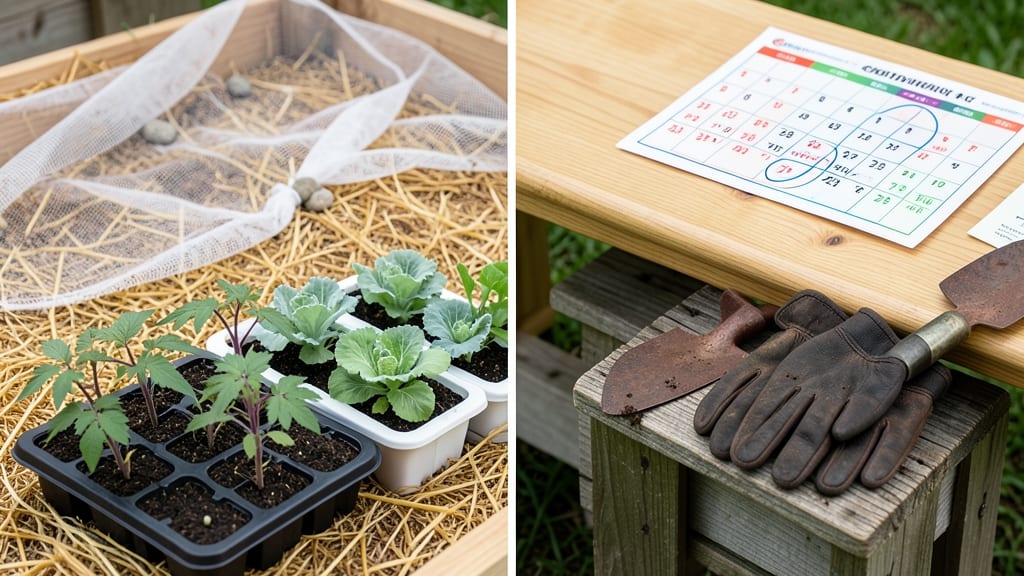
Planting in Wisconsin at the right time means the difference between a garden that thrives and one that struggles — and with USDA zones 4a-6b, timing is everything.
Wisconsin’s unpredictable weather can make planting season a guessing game, but getting the timing right is your secret weapon for a bountiful harvest. Whether you’re sowing cool-season crops like spinach or waiting for the soil to warm up for tomatoes, knowing the exact window matters.
This guide breaks down the best months for planting vegetables, flowers, and perennials across Wisconsin’s diverse zones, including frost dates and microclimate adjustments. From early spring peas to late-summer squash, we’ve got you covered.
Discover how to avoid common mistakes, adjust for local weather quirks, and maximize your garden’s potential with zone-specific planting tips. Let’s get those seeds in the ground at the perfect time!
Wisconsin planting calendar by USDA zone: exact months for cool & warm season crops
Wisconsin’s USDA zones 3b-5a create unique challenges for gardeners, with last frost dates ranging from mid-April in northern Wisconsin to late May in southern regions. Getting your planting timing right ensures your vegetables, herbs, and flowers thrive despite the state’s unpredictable weather patterns.
Whether you’re growing cool-season crops like spinach or warm-season favorites like tomatoes, this calendar helps you align your garden with Wisconsin’s climate.
For cool-season crops, start planting 4-6 weeks before your average last frost date, while warm-season crops need to wait until 2-3 weeks after that date. Northern Wisconsin (zones 3b-4a) has a shorter growing season, so timing is even more critical.
Below, I’ve broken down the ideal planting windows for both crop types, adjusted for Wisconsin’s diverse microclimates. Use these guidelines to maximize your harvest potential, whether you’re in Milwaukee, Madison, or the Northwoods.
For northern Wisconsin (zones 3b-4a), prioritize early-maturing varieties of warm-season crops like bush beans or determinate tomatoes, which ripen in 50-60 days.
In southern Wisconsin (zones 4b-5a), you can push the envelope with longer-season crops like peppers or squash, but always monitor soil temperatures—warm-season plants won’t thrive in cold, damp soil.
Use soil thermometers to confirm readiness—warm-season crops need soil temps of at least 60°F before planting. In zone 3b, consider starting warm-season crops indoors in late March to transplant outdoors after the last frost.
For zone 5a, you might even squeeze in a second planting of warm-season crops in early July for a
How to adjust planting times for Wisconsin’s microclimates & unpredictable weather
Wisconsin’s diverse microclimates—from Lake Michigan’s coastal breezes to inland valleys—can shift planting windows by weeks. Even within USDA zones 4a-6b, your garden’s specific location dictates when to plant.
For example, Milwaukee’s zone 5b might see last frost dates in mid-May, while northern zone 4a areas like Spooner could still face frost in late May or early June.
To navigate this, start by tracking your local frost dates for the past 5 years. The National Weather Service and local cooperative extension offices provide historical data—use these to adjust your planting schedule.
For instance, if your area has a 30% chance of frost after May 15, delay planting warm-season crops like tomatoes until June 1 to avoid damage.
Key-takeaway:
🌱 Wisconsin Planting Adjustments
PRO TIPSExtend your growing season with seasonal tools like row covers (floating fabric) or cold frames. These can push spring planting 2-4 weeks earlier for crops like broccoli or cabbage.
For example, if your last frost is May 10, use a row cover to plant kale on April 15—it’ll protect seedlings until soil warms naturally.
For southern Wisconsin’s hotter summers (zones 5b-6b), opt for heat-tolerant varieties like 'Solar Fire' peppers or 'Celebrity' tomatoes, which thrive in 90°F+ temperatures. Pair these with shade cloth during peak heat to prevent bolting in leafy greens like Swiss chard.
Monitor soil temperature with a soil thermometer—most warm-season crops need 60°F+ soil to germinate. In northern Wisconsin, this might mean waiting until late May or June, while southern areas can plant as early as mid-April for hardy crops like radishes or peas.
When in doubt, start seeds indoors 4-6 weeks before your target outdoor date. This gives you a head start and flexibility to adjust planting times based on real-time weather.
For instance, if a late frost hits in early June, your indoor-started tomatoes will already be 4-6 inches tall and ready to transplant safely.