
Planting
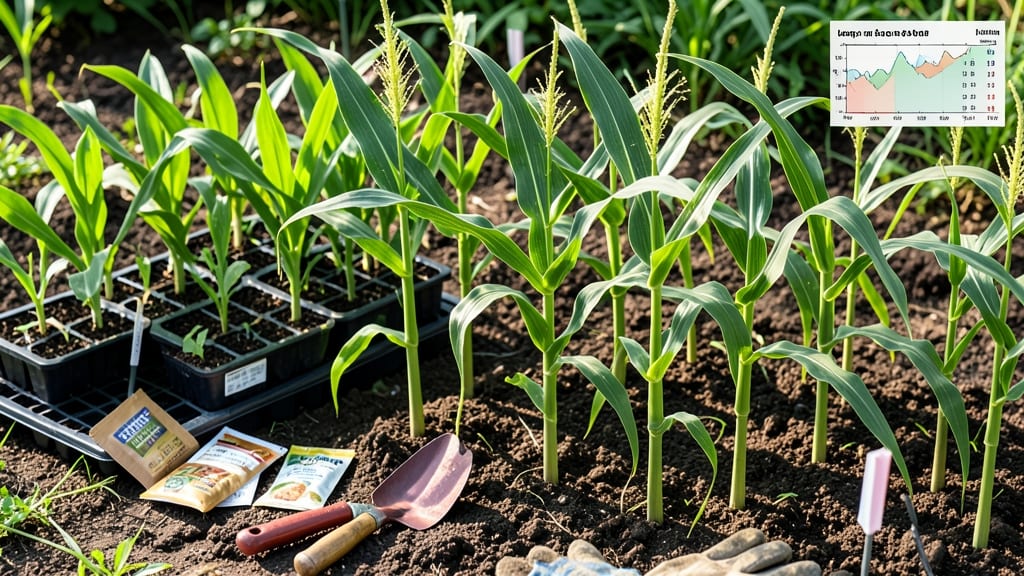
Planting a garden in Iowa after the last frost—around mid-April to mid-May—sets the stage for a bountiful harvest, but timing is everything in USDA Zones 4a-5b.
Iowa’s unpredictable spring weather can turn your gardening dreams into a guessing game—but knowing the exact planting windows for USDA Zones 4a-5b means the difference between a thriving harvest and a failed season.
Cool-season crops like spinach and peas need to go in 4-6 weeks before your last frost, while warm-season favorites like tomatoes and peppers wait until soil reaches 60°F. Without these cues, you risk frost damage or stunted growth.
Below, I break down the month-by-month schedule for Iowa, including soil prep tips, frost-sensitive plants, and how to adjust for late springs or early falls.
Iowa planting calendar by month: USDA Zone 4a vs 5b breakdown
Iowa’s USDA Zones 4a-5b create a tight window for planting, where last frost dates can swing by weeks between northern and southern regions. In Zone 4a (northwest Iowa), average last frosts hit May 10-15, while Zone 5b (southwest Iowa) sees them April 20-May 5.
These differences mean tomatoes might go in late May in Zone 4a but early April in Zone 5b.
To navigate this, I’ve broken down planting by month and crop type, using data from Des Moines (Zone 5a) as our benchmark—with adjustments for Cedar Rapids (Zone 4b) and Davenport (Zone 5b).
Cool-season crops like spinach and peas get a head start, while corn and peppers wait for soil to warm to 60°F+.
In Zone 4a, March is all about indoor starts for cool-loving crops like broccoli and cabbage.
By April, hardy greens (spinach, arugula) can go straight into the ground, but wait until soil warms to 50°F to avoid stunted growth. Peas are the exception—they thrive in cooler temps and can handle light frosts.
May is the make-or-break month for warm-season crops. In Zone 5b, you can plant tomatoes and peppers as early as April 25, but Zone 4a gardeners must wait until May 15 (or risk frost damage). Use row covers to extend the season by 2-3 weeks if needed.
June marks the peak planting window for corn and squash, which need consistent warmth to germinate.
In Zone 5b, plant corn by June 10; in Zone 4a, wait until June 15. Succession planting every 2 weeks ensures a steady harvest of bush beans and zucchini.
Don’t overlook fall planting—July and August are perfect for cool-season crops like kale and radishes. These thrive in 50-60°F soil and can be harvested before first frost (typically October 15 in Zone 5b, October 25 in Zone 4a). Mulch heavily to protect
5 Critical factors that shift Iowa’s planting timeline (and how to adjust)
Iowa’s unpredictable spring frosts and variable soil temperatures can throw off even the most experienced gardener’s schedule. While the average last frost date hovers around mid-April, late-season freezes in May or June aren’t uncommon—especially in USDA Zone 4a areas like northern Iowa.
These shifts force gardeners to adapt strategies like row covers, cold frames, or staggered plantings. Without adjustments, you risk losing young seedlings to frost or waiting too long for warm-season crops like tomatoes and peppers to establish roots in cooling fall soil.
Even in Zone 5b (like Des Moines), a cold snap in early June can damage tender seedlings. I’ve seen tomato plants wilt overnight after a 32°F dip—always have emergency row covers ready for sensitive crops.
For fall planting, aim to sow cool-season crops like spinach by August 15th to ensure they mature before the first frost. Use a planting calendar that accounts for daylength—Iowa’s shorter autumn days slow growth significantly.
Pro tip: Test your soil temperature daily if you’re planting early. A 60°F reading at 6 inches deep is ideal for cucumbers and squash, but 50°F works for peas and radishes. Adjust your schedule based on real data, not just averages.