
Planting
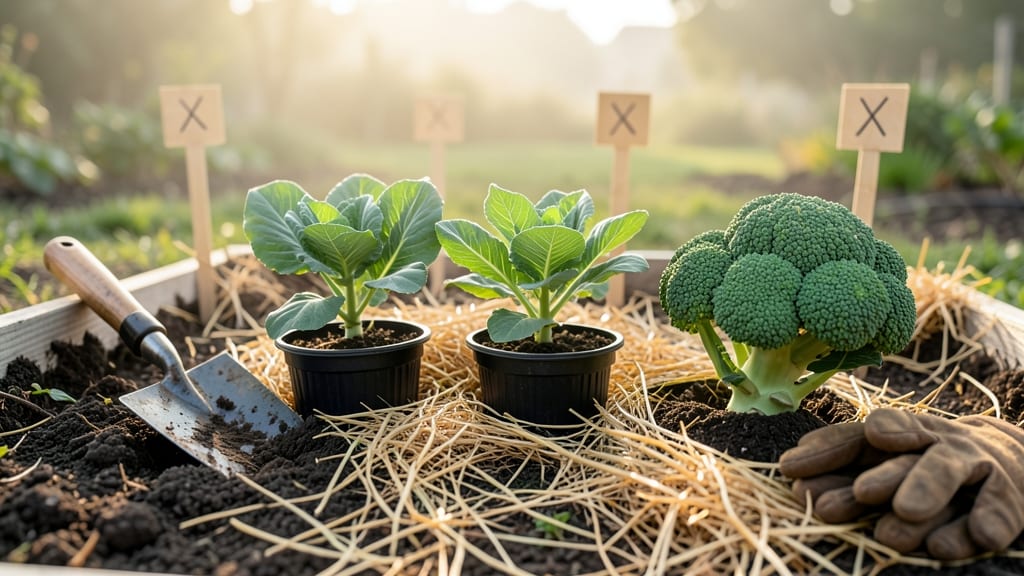
Planting a fall garden in Zone 7 4-6 weeks before the first frost ensures you’ll harvest crisp greens and hearty roots before winter sets in.
Timing your fall garden in Zone 7 can mean the difference between a bountiful harvest and wasted seeds—get it wrong, and frost ruins your hard work before you even taste the rewards.
With the right schedule, you can enjoy fresh kale, carrots, and radishes long after summer’s heat fades. The key? Starting seeds indoors or direct-sowing outdoors at the perfect moment to beat the November 1 frost date.
Below, I’ll walk you through the exact weeks to plant, the best crops for your zone, and how to stretch your harvest even longer with simple tricks like row covers.
Exact weeks before first frost to plant fall vegetables in Zone 7
Getting your fall garden timing right in Zone 7 starts with understanding your first frost date. Most Zone 7 gardeners face their first frost around November 1st, but microclimates can shift this by 1-2 weeks—warmer valleys delay frost, while high elevations see it earlier.
To maximize your harvest, plan to plant 4-8 weeks before frost, depending on the crop's days to maturity.
For fast-growing crops like radishes or spinach (ready in 30-40 days), you can wait until 6 weeks before frost. But for broccoli or kale, which need 60-80 days, start 8 weeks out.
This window ensures your plants mature before temperatures drop below 28°F, which kills most vegetables.
Soil temperature matters just as much as air temperature. Cool-season crops thrive when soil stays above 40°F. Test your soil in late summer—if it's still warm, wait 2-3 weeks before planting. In Zone 7's inland areas, soil cools faster than coastal regions, so adjust your timeline accordingly.
Succession planting is your secret weapon for a continuous harvest. Plant fast-maturing varieties every 2 weeks after your initial planting. For example, sow radishes in early August, then again in mid-August and late August—this ensures fresh harvests until frost.
Even slow growers like Brussels sprouts benefit from staggered plantings to spread out your harvest.
Don’t overlook microclimates in your garden. A south-facing bed stays warmer longer than a north-facing one, giving you 2-3 extra weeks of growing time. Use this advantage to plant heat-sensitive crops like spinach later in the season. Conversely, shady spots may need earlier plantings to avoid stunted growth.
If your first frost arrives early (before November 1st), shift your timeline 1-2 weeks earlier.
Check your local USDA Plant Hardiness Zone Map for precise adjustments—some Zone 7a areas (colder) may need plantings as early as late June, while Zone 7b (warmer) can wait until early August for some crops.
For cold-hardy crops like kale or carrots, frost actually sweetens flavors—but don’t let temps drop below 20°F for more than a few hours. Use row covers or mulch to protect tender greens during unexpected cold snaps.
This simple trick can extend your harvest by 3-4 weeks in marginal conditions.
Remember, soil preparation in late summer sets the stage for fall success. Amend your beds with compost and balanced fertilizer (5-10-10) 2-3 weeks before planting. This gives nutrients time to integrate without burning young roots. Well-draining soil is critical—fall crops hate soggy roots, which invite rot.
Start with slow-to-germinate seeds indoors under grow lights if your fall is particularly short. Transplant 6-8 weeks before frost for a head start. This works especially well for broccoli or cabbage, which need time to establish strong roots before cold weather sets in.
Best fall vegetables for Zone 7 and their ideal planting times
Fall gardening in Zone 7 rewards you with crisp harvests when you plant the right crops at the perfect time. The key is selecting cold-hardy vegetables that thrive in cooler temperatures and aligning their planting windows with your first frost date—typically around November 1 in most of Zone 7.
These crops not only survive light frosts but often taste sweeter after a frost, making them ideal for late-season gardens.
For a successful fall garden, focus on crops that mature quickly—30 to 60 days—so they reach harvest before winter sets in. Leafy greens, root vegetables, and brassicas are your best bets, as they tolerate cooler temperatures better than warm-season crops like tomatoes or peppers.
Succession planting every 2 to 3 weeks ensures a continuous harvest until frost.
Among these, kale, spinach, and peas are the most frost-tolerant, often surviving light frosts down to 20°F without protection. For maximum yield, pair fast-maturing crops like radishes (25 days) with slower growers like broccoli (60-80 days).
Use succession planting to stagger harvests—sow a new batch every 2 weeks until early September.
Don’t overlook herbs like cilantro and parsley, which thrive in cool weather and add flavor to fall harvests.
These can be planted alongside your vegetables or in containers near your kitchen for easy access. Mulching with straw or leaves helps retain soil warmth and moisture, giving your fall crops a head start in cooler weather.
If you’re new to fall gardening, start with easy-to-grow crops like lettuce and radishes. They forgive minor timing mistakes and provide quick gratification. For experienced gardeners, experiment with cold frames or row covers to extend the season for crops like kale or spinach well into winter.
The goal is to balance speed and hardiness—plant fast growers early and slow growers later.
Timing your fall garden in Zone 7 is all about working with the season’s natural rhythm. By aligning your planting schedule with days-to-harvest and frost dates, you’ll enjoy a garden that keeps giving until the first hard freeze. Happy planting—your taste buds (and wallet) will thank you! 🌿