Plants
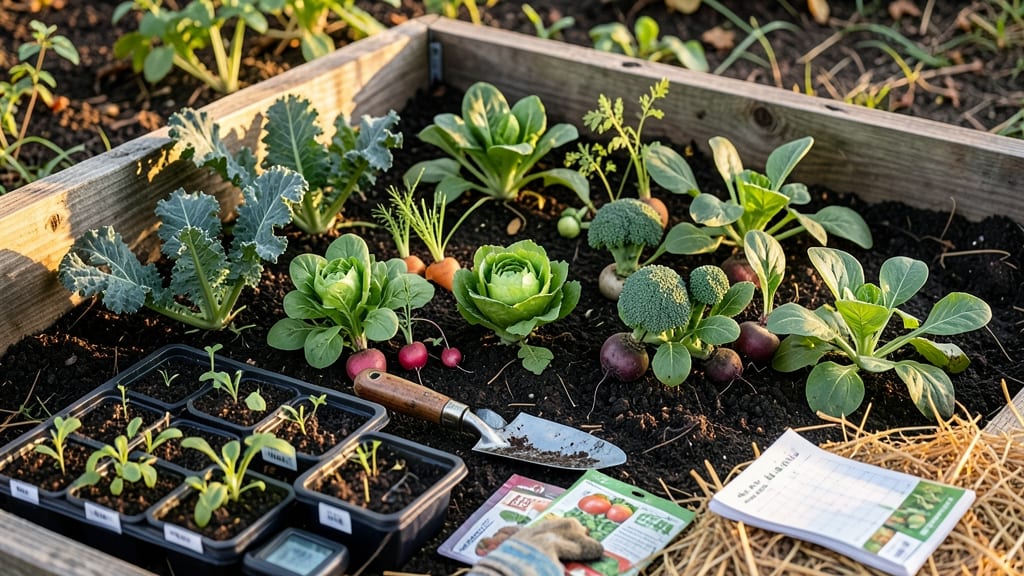
Planting fall crops in Zone 6 means timing your garden just right to beat the first frost and enjoy fresh harvests through winter.
Missed your spring planting window? Fall crops offer a second chance at a thriving garden—and in Zone 6, timing is everything to avoid frost damage or stunted growth.
Cool-season vegetables like kale, carrots, and spinach thrive in the crisp air, but they need to be in the ground at the perfect moment. Plant too early, and they’ll bolt; too late, and frost will nip them before harvest.
Here’s your exact planting schedule, soil prep tips, and pro tricks to stretch your growing season—so you can keep reaping rewards long after summer fades.
Best fall planting dates for Zone 6 by crop type
Fall planting in Zone 6 gives you a second chance to grow fresh vegetables when summer heat fades. The key is timing—plant too early, and crops bolt; too late, and frost ruins them.
I’ve broken down the best planting windows for your top fall crops, including leafy greens, root vegetables, brassicas, and herbs, so you can enjoy harvests until winter sets in.
In Zone 6, the average first frost date falls between October 15 and November 15, depending on your exact location. To maximize yields, aim to plant crops that mature in 60–90 days so they finish before hard frosts hit.
Below, I’ve organized planting dates by crop type and maturity range to make it simple.
Pro Tip: Always check your local frost dates using the USDA Plant Hardiness Zone Map or a local weather station. Adjust these dates by 1–2 weeks earlier if you’re in a cooler microclimate or later if you’re in a warmer pocket of Zone 6.
| Crop Type | Best Planting Window | Maturity Range (Days) | Last Chance Before Frost | Notes |
|---|---|---|---|---|
| Leafy Greens (Spinach, Kale, Lettuce) | Late July to Mid-September | 30–60 | Early October (for 30-day varieties) | Sow every 2 weeks for succession |
| Root Vegetables (Carrots, Beets, Radishes) | Mid-July to Early September | 45–75 | Mid-September (for 75-day varieties) | Loosen soil to prevent forking |
| Brassicas (Broccoli, Cabbage, Brussels Sprouts) | Early August to Late August | 60–90 | Early September (for 90-day varieties) | Start indoors for head starts |
| Herbs (Parsley, Cilantro, Dill) | Late July to Mid-August | 30–60 | Early October (for 30-day varieties) | Direct sow for best germination |
For leafy greens like spinach and kale, start planting in late July for varieties that mature in 30–45 days. These fast growers can handle light frosts, so you can even sow a final batch in early October if you’re using cold-hardy types like Winterbor kale.
I recommend succession planting every 2 weeks to ensure a steady harvest.
Root vegetables such as carrots and beets need a longer growing season, so plant them by mid-July for a fall harvest. The soil should stay warm enough for germination but cool enough to prevent bolting.
If you’re growing radishes, they’re quick enough to plant as late as early September for a harvest before frost.
Brassicas like broccoli and cabbage are my favorite fall crops—they thrive in cooler weather and can even sweeten after a light frost. Start planting early August for varieties that take 60–90 days to mature. If you’re growing Brussels sprouts, choose fast-maturing varieties like Long Island Improved and plant by late July.
Don’t forget about herbs! Parsley and cilantro grow well in fall and can even survive light frosts. Sow seeds in late July for a harvest before winter.
Dill is another great option—it self-seeds easily, so you might get a bonus crop next spring. Always harvest herbs in the morning for the best flavor
How to extend your fall growing season in Zone 6
Fall gardening in Zone 6 doesn’t have to end with the first frost—with the right strategies, you can keep harvesting well into winter. The key is using simple, budget-friendly techniques like row covers, cold frames, and succession planting to protect tender plants and extend their growing window.
Even if you don’t have expensive equipment, these DIY methods work wonders for hardy varieties like kale, spinach, and carrots.
Start by selecting frost-tolerant varieties that thrive in cooler temperatures. These plants can handle light frosts and even improve in flavor after a frost, like broccoli or brussels sprouts.
Pair them with protective gear to shield them from harsh winter conditions, and you’ll enjoy fresh harvests long after your neighbors have packed up their gardens. The goal? Push your last harvests into December or even January with minimal effort.
Don’t overlook the power of microclimates in your garden. South-facing beds stay warmer longer, making them perfect for late-season tomatoes or peppers if you plant them by mid-July. Group heat-loving plants together to create a warmer pocket of soil.
Even a black plastic mulch can raise soil temperatures by 5-10°F, giving tender crops a fighting chance against early frosts.
For herbs like cilantro or parsley, which bolt in heat, fall planting is ideal. Sow them in early September for a second flush of growth. These cool-season favorites actually taste sweeter after a light frost, making them worth the extra effort.
Pair them with frost-resistant lettuce varieties like Winter Density or Arctic King for a low-maintenance, high-reward combo.
Finally, keep an eye on your soil temperature. Use a soil thermometer to ensure it stays above 40°F for germination. If it drops too low, delay planting until conditions improve.
With these strategies, you’ll turn your Zone 6 garden into a year-round harvest machine, proving that fall—and even winter—can be just as productive as spring.
Start small with one or two techniques this season, and you’ll be amazed at how much longer your garden stays productive. Happy growing! 🌱