
How To
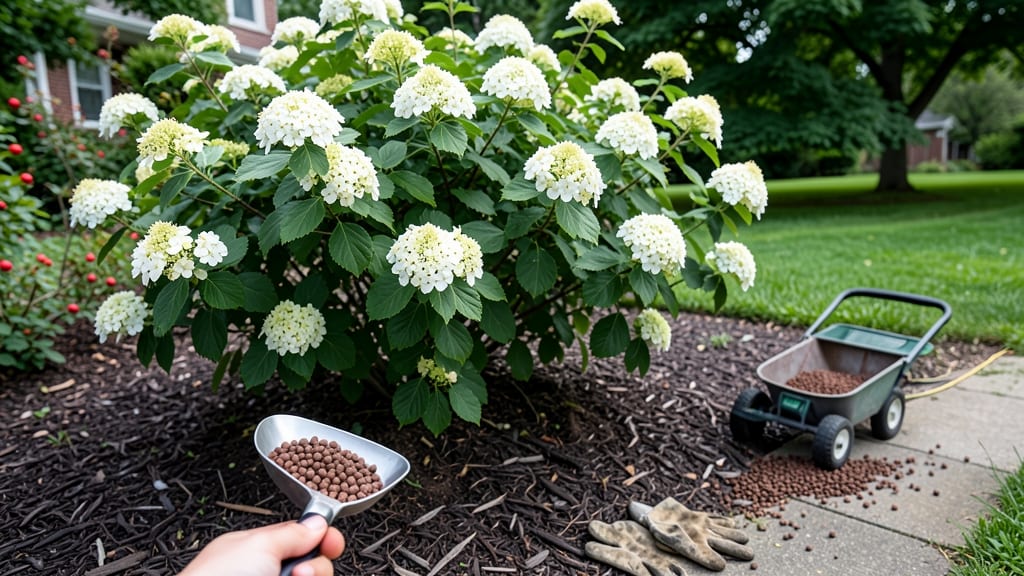
To fertilize viburnum at the right time ensures vibrant blooms and healthy growth—and skipping it can leave your shrubs struggling.
Picture this: You’ve just planted your viburnum 🌿, and now you’re staring at the fertilizer bag, wondering if now is the time. The truth? Timing matters more than you think—apply too early, and you risk burning roots; too late, and your shrub may miss its growth window entirely.
For most USDA Zone 6a gardeners, the best windows are early spring (just as buds swell) or late summer (after flowering). But there’s more to it: soil temperature, rain patterns, and even your viburnum’s variety can shift the schedule.
Below, I’ll break down the exact moments to feed—and when to hold off.
You’ll learn how to read your plant’s signals, pick the right fertilizer, and avoid the three biggest mistakes that turn lush shrubs into leggy shadows. Let’s get your viburnum thriving.
Best times to fertilize viburnum for optimal growth & flowering
Timing your viburnum fertilization is crucial for encouraging lush foliage and stunning blooms. Unlike many shrubs, viburnums respond best to fertilization during two key windows: early spring and late summer.
Applying fertilizer at the wrong time can stress your plant or even stunt its growth, so let's dive into the science behind these timing windows.
For most viburnum varieties like Viburnum plicatum (Japanese snowball) or Viburnum opulus (cranberry bush), the ideal fertilization schedule aligns with their natural growth cycles. Early spring fertilization jumpstarts new growth, while late summer applications support root development before winter dormancy.
Understanding these cycles helps you avoid common mistakes like fertilizing in winter or right after pruning.
Soil temperature plays a critical role in determining the perfect fertilization window. For most USDA zones 6-8, aim to fertilize when soil temperatures reach 50°F (10°C)—this typically occurs in late March to early April. In warmer climates (zones 9-10), you might start as early as February.
Now let's compare the two primary fertilization windows side-by-side to help you plan your schedule:
When fertilizing in early spring, focus on light applications of balanced fertilizer (10-10-10 ratio) to encourage new leaf and flower bud development. For Viburnum plicatum, which blooms on old wood, timing is especially critical—apply fertilizer just as buds begin to swell but before they open.
This typically occurs in late March to early April in most regions.
For late summer fertilization, switch to a lower-nitrogen formula (like 5-10-10) to promote root growth without encouraging tender new growth that might not survive winter. This is particularly important for Viburnum dentatum (arrowwood), which benefits from this late-season boost to harden off before cold weather arrives.
Climate plays a significant role in adjusting these timelines. In warmer southern climates (zones 9-10), you might extend your spring fertilization window into May, while in northern regions (zones 3-5), you may need to wait until mid-April when soil fully thaws.
Always check for new bud swell—this is your best indicator that it's time to fertilize.
One common mistake gardeners make is fertilizing after pruning. Always wait 6-8 weeks post-pruning before applying fertilizer to allow wounds to heal. For newly planted viburnums, hold off on fertilization for the first year to avoid burning tender roots.
Instead, focus on establishing a strong root system through proper watering and mulching.
For organic gardeners, consider using compost tea or worm castings in early spring followed by a bone meal application in late summer for phosphorus boost. Synthetic fertilizers work well too, but always follow package instructions for application rates—over-fertilizing can lead to burnt foliage and reduced flowering.
Remember that viburnums are low-maintenance shrubs, so don't feel pressured to fertilize every year. If your plant looks healthy with vibrant green leaves and plentiful blooms, it may not need additional nutrients. Pay attention to your plant's natural growth patterns rather than following a rigid schedule.
How to choose the right fertilizer for viburnum shrubs
Selecting the perfect fertilizer for your viburnum shrubs isn't just about grabbing any bag from the garden center. These shrubs thrive with the right balance of nutrients, and choosing organic vs. synthetic options can dramatically impact their growth and blooming.
First, consider your viburnum's current health and soil conditions. Young plants or those recovering from stress need a gentler approach, while mature shrubs can handle slightly stronger formulations.
Start by testing your soil pH—viburnums prefer slightly acidic to neutral soil, ideally between 5.0 and 7.0. If your soil is too alkaline, your shrubs won't absorb nutrients efficiently, no matter how good the fertilizer.
You can grab a DIY soil test kit for around $10 or send a sample to your local extension office for a more precise analysis. This step alone will save you from wasting money on the wrong products.
When to Fertilize Viburnum Shrubs
- Early Spring: Apply a balanced fertilizer (10-10-10) when buds begin to swell but before leaves emerge. This jumpstarts growth after winter dormancy.
- Post-Bloom (Late Spring): Use a low-nitrogen fertilizer (5-10-10) to support root development and next year's flowers. Avoid high-nitrogen blends—they promote leafy growth at the expense of blooms.
- Fall (Optional): Skip fertilization entirely in fall. New growth stimulated by fertilizer won't harden off before winter, making your shrubs more vulnerable to cold damage.
- Winter: Never fertilize during dormancy. Your viburnum is conserving energy, and excess nutrients can harm roots or attract pests.
For organic options, consider composted manure, fish emulsion, or worm castings. These release nutrients slowly, reducing the risk of burning roots while improving soil structure. If you prefer synthetic fertilizers, look for slow-release granules labeled for shrubs and flowering plants.
Brands like Miracle-Gro Shrub & Tree or Osmocote Plus are reliable choices, but always follow the application rates on the package.
One common mistake is over-fertilizing, which can lead to leaf burn, excessive foliage, and fewer flowers. If you notice yellowing leaves with green veins, it's often a sign of too much nitrogen.
In contrast, purple or red leaves may indicate phosphorus deficiency. Always water your viburnum thoroughly after applying fertilizer to help nutrients penetrate the soil and reach the roots.
If your viburnum is newly planted, hold off on fertilization for the first 6-12 months unless the soil is extremely poor. Focus instead on mulching with organic matter like shredded bark or compost.
This builds soil fertility naturally while retaining moisture. For established shrubs, a light feeding every 6-8 weeks during the growing season keeps them thriving without overloading the system.
Remember, the goal is to support healthy growth, not to force rapid development. A well-fed viburnum will reward you with vibrant foliage, abundant blooms, and strong stems that hold up to wind and rain.
With the right fertilizer and timing, your shrubs will become the star of your landscape for years to come. 🌿