
Trees
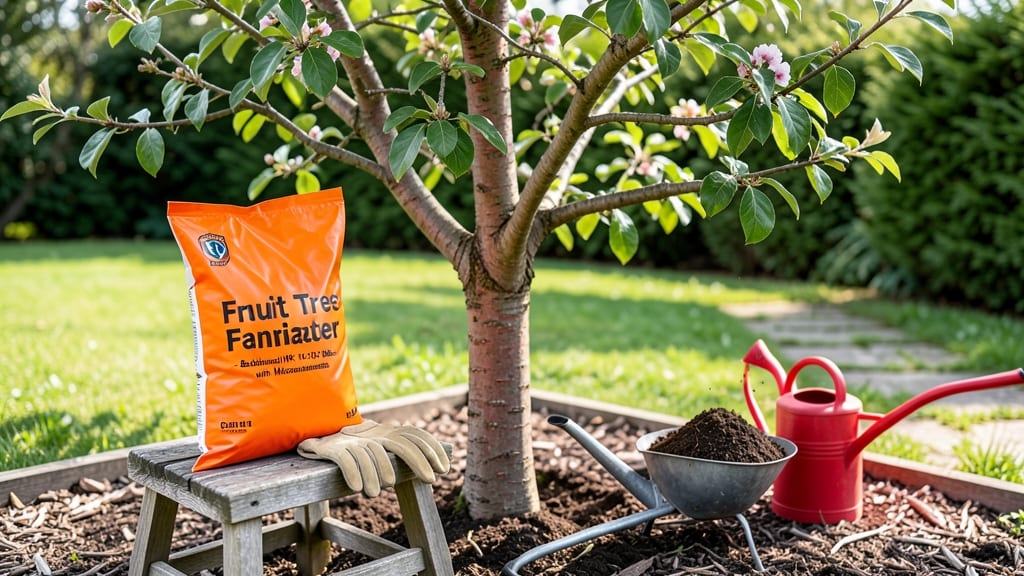
Fertilizing your plum tree 🍑 in California at the right time is the difference between a bountiful harvest and a tree struggling to keep up.
Picture this: You’ve planted your plum tree in the 9a-10b zone, and it’s thriving—until you notice the leaves turning yellow or fruit staying small.
That’s often a sign you missed the best fertilization window, which in California isn’t just about seasons but also microclimates like coastal fog vs. inland heat.
Timing matters because plum trees need nutrients when they’re ready to grow—not during dormancy or bloom. A light feed in early spring kickstarts growth, while summer fertilizing supports fruit production. But get it wrong, and you risk burning roots or encouraging weak branches.
In this guide, I’ll walk you through the exact months to fertilize your plum tree, how to spot signs it needs (or doesn’t need) nutrients, and the best organic vs. synthetic options for California’s soil. Let’s get your tree producing peak fruit year after year.
Optimal fertilization schedule for California plum trees by season
California’s diverse climate—from coastal fog belts to inland heat—means your plum tree fertilization schedule must adapt. Unlike uniform advice, coastal Zone 9a trees need gentler feeding than inland Zone 10b varieties. The key is aligning fertilizer with your tree’s natural growth cycles, not just calendar months.
For example, early spring awakening signals the first feeding window, while summer heat demands careful watering before fertilizing again.
Plum trees in California enter dormancy later than northern regions, often as late as December. This extended active season changes traditional fall fertilization rules. Inland areas may even see a light feeding in November, while coastal trees should wait until January.
Understanding these microclimate differences prevents over-fertilization, which stresses trees and reduces fruit quality.
Here’s your seasonal fertilization timeline, tailored to California’s unique growing conditions:
| Season | Month | Fertilization Action | Fertilizer Type | Notes for CA Microclimates |
|---|---|---|---|---|
| Early Spring | February-March | Light feed (½ recommended dose) | Balanced 6-10-10 or compost | Coastal: Wait until March; Inland: February |
| Late Spring | April-May | Full feed (1-2 lbs NPK) | 8-3-9 with micronutrients | Avoid if drought warning; water first |
| Summer | June-July | Light feed (½ dose) | Low-nitrogen 5-10-10 | Coastal: June only; Inland: July too |
| Fall | September-November | None (dormancy prep) | N/A | Inland: November light feed if no frost |
| Winter | December-January | None (dormant period) | N/A | Coastal: January light feed if growth starts |
Your February-March light feeding kickstarts growth after winter dormancy. Use a balanced 6-10-10 fertilizer or well-aged compost to avoid burning roots. For coastal Zone 9a trees, delay until March when daytime temps consistently exceed 60°F.
Inland trees in Zone 10b can start earlier if soil temps rise above 55°F.
By April-May, your plum tree enters its peak growth phase. This is when you apply the full fertilizer dose—typically 1-2 pounds of a 8-3-9 NPK blend per 100 square feet.
California’s drought conditions demand extra caution: always water deeply 24 hours before and after fertilizing to prevent root burn. Inland areas may need a second June feeding, while coastal trees should wait until July.
Summer fertilization requires low-nitrogen products to prevent excessive foliage at the expense of fruit. A 5-10-10 blend supports fruit development without encouraging late-season growth.
In coastal fog zones, limit to one summer feeding in June; inland areas can add a second in July if your tree shows active fruit swelling. Always monitor for leaf curl or yellowing, signs of over-fertilization.
Fall is critical for dormancy prep. Avoid fertilizing after September 1st to prevent new growth that won’t harden before winter. Inland Zone 10b areas with mild winters can apply a light compost top-dressing in November, but coastal trees should wait until January if growth resumes.
Never fertilize when frost warnings appear—even in California’s Zone 10b.
Winter fertilization is never recommended for established plum trees. Your tree enters dormancy to conserve energy, and feeding disrupts this process. However, if you notice new growth in January (common in coastal areas), a very light compost application can support it.
Always check for soil moisture first—winter feeding without adequate water leads to root stress.
Pro tip: Mix micronutrients like zinc and boron into your spring feedings. California’s alkaline soils often lack these, and plum trees are particularly sensitive to deficiencies. Look for fertilizers labeled "fruit tree blend" or add a chelated micronutrient spray in early spring.
This small adjustment can double your fruit yield in just one season.
🌱
Signs your plum tree needs fertilizer (and when to avoid it)
If your plum tree 🍑 is showing signs of stress, like yellowing leaves or small fruit, it might be screaming for nutrients. In California’s 9a-10b zones, nutrient needs shift with seasons—what works in spring may harm your tree in summer.
The key is spotting these early warning signs before they turn into bigger problems.
Start by checking the leaf color. Healthy plum leaves are deep green, but yellow leaves (especially on new growth) often signal nitrogen deficiency. Meanwhile, purple-tinged leaves could mean phosphorus is lacking.
These visual cues help you decide if it’s time to replenish nutrients or hold off until the right season.
⚠️ callout warning ⚠️
- Never fertilize during bloom—it can burn roots and reduce fruit set.
- Avoid fertilizing in drought—stressed trees can’t absorb nutrients, leading to leaf scorch.
- Stop fertilizing in fall—new growth won’t harden off before winter, making trees vulnerable to frost.
Pro Tip: Test soil pH first—plum trees thrive in 6.0-7.0. Adjust with lime or sulfur before fertilizing.
Another red flag? Stunted growth or small, sparse fruit. If your plum tree isn’t growing as expected, it might need a balanced NPK fertilizer (like 6-10-10) to kickstart vigor.
But here’s the catch: over-fertilizing can cause salt buildup in soil, harming roots over time. Always follow the "less is more" rule for California’s dry climate.
Pay attention to root health too. If you see mushy roots or a sour smell near the base, your tree might be suffering from over-fertilization.
This often happens when gardeners apply too much nitrogen-heavy fertilizer without watering deeply afterward. Always water thoroughly after fertilizing to help nutrients soak into the soil.
Timing is everything. In California’s coastal regions, fertilize lightly in early spring (March) to encourage blooms, then again in late spring (May) for fruit development. Inland areas can fertilize a month later due to warmer soils. But never fertilize after July—your tree needs to harden off before winter.
Finally, watch for pests or disease after fertilizing. A sudden spike in aphids or fungal spots could mean your tree is stressed from too many nutrients.
If this happens, flush the soil with water and hold off on fertilizing until symptoms improve. Your goal is strong, healthy growth, not a quick fix.