
How To
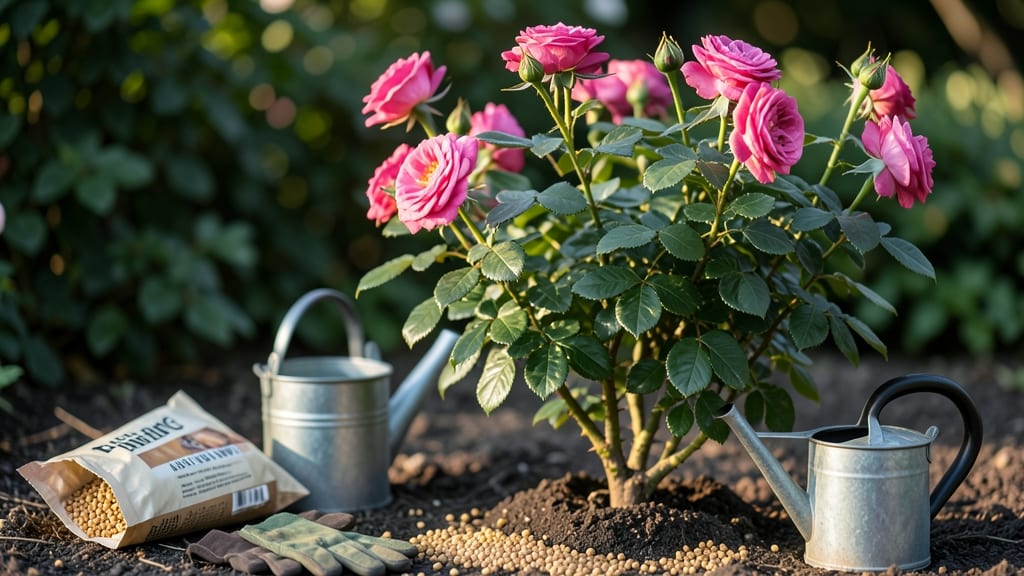
To fertilize the Peggy Martin Rose at the right time is the secret to those vibrant, repeat blooms that make this classic climber so prized 🌹 — and skipping the schedule can leave your rose struggling even if you’re feeding it.
If your Peggy Martin Rose isn’t blooming as abundantly as you’d love, timing your fertilizer application could be the missing piece—this classic climber thrives on precision, not just frequency.
Most gardeners know spring is the kickoff, but the real magic happens in early May when buds form, and again in July after the first flush of flowers fades. Too early, and you risk burning tender roots; too late, and you’ll miss the peak growth window.
Below, I’ll walk you through the exact months to fertilize, which types work best for this rose’s needs, and how to tell when it’s time to pause—so you can enjoy blooms from spring through fall without overdoing it.
Optimal fertilizing schedule for Peggy Martin roses by season
The Peggy Martin rose thrives when fed at the right times—too early or late, and you’ll waste fertilizer or stress your plant. This climbing rose needs a balanced fertilizer (like 10-10-10) to fuel its vibrant blooms, but timing matters more than quantity.
In USDA Zone 6, I’ve found the sweet spot is feeding in spring for new growth, summer for blooms, and a light fall feed to prep for winter. Let’s break it down by month.
Your Peggy Martin rose follows nature’s rhythm—feed when it’s actively growing, not when it’s dormant. Skipping winter fertilization is key; roses need this rest to rebuild energy.
In warmer climates (Zones 7-9), you might extend feeding into late fall, but in colder areas, stop by October to avoid encouraging tender new growth before frost. Always water deeply after fertilizing to help nutrients reach the roots.
⚠️ Never fertilize when your rose is stressed (wilting, diseased, or newly planted). Wait until it’s established (6-8 weeks after planting) and healthy before starting your schedule.
In spring, your Peggy Martin rose wakes up hungry—start fertilizing when you see new shoots (usually late April in Zone 6). Use a balanced fertilizer like 10-10-10 to encourage both leaf growth and bloom production.
I apply mine in early morning when the soil is moist, then water deeply to prevent root burn. For potted roses, halve the dose since roots are confined.
During summer, feed every 4-6 weeks to sustain continuous blooming. After each flush of flowers fades, add fertilizer to prompt the next round. In hot climates, switch to a slow-release fertilizer to avoid nutrient runoff during heavy rains.
Always avoid fertilizing when your rose is stressed—like during heatwaves or drought.
Fall is your last chance to feed before winter. A light organic fertilizer (like compost or worm castings) in early September helps roots store nutrients for dormancy. Skip synthetic fertilizers this late—they can stimulate tender growth that won’t survive frost.
In Zone 7+, you might extend feeding into October, but stop by November in colder zones.
Winter is fertilizer-free for your Peggy Martin rose. This is when roots recharge, and feeding can weaken the plant. Instead, focus on mulching with 3-4 inches of organic matter (like shredded leaves) to insulate roots.
In mild winters, you might see occasional blooms, but don’t fertilize—let the plant conserve energy.
Pro tip
Signs your Peggy Martin rose needs fertilizer (and when to stop)
Your Peggy Martin rose might be silently begging for nutrients if you notice pale yellow leaves appearing between veins—a classic sign of nitrogen deficiency. This climbing rose thrives on consistent feeding, but overdoing it can burn roots or trigger excessive foliage at the expense of blooms.
Pay attention to subtle cues like slower-than-usual growth or smaller-than-expected buds, which often appear before visible leaf changes.
Another red flag is sparse or leggy stems with few blooms, even when your rose gets plenty of sun.
The Peggy Martin variety is known for its abundant pink blooms, so if your plant looks more like a twiggy skeleton than a lush climber, it’s time to reassess its diet. Even established roses benefit from a mid-season nutrient boost to maintain vigor.
⚠️ Warning: Overfeeding Risks
Stop fertilizing if you see:
- Crispy brown leaf edges (nutrient burn)
- Excessive new growth with no blooms
- White crusty residue on soil surface
When to pause: After mid-September or if buds form but fail to open.
Check the soil pH too—Peggy Martin roses prefer slightly acidic soil (6.0-6.5). If your soil tests higher, nutrients become locked away, mimicking deficiency symptoms. A simple soil test kit ($10 at garden centers) reveals whether your rose is starving or simply can’t access what’s already there.
Amend with sulfur or peat moss if needed before fertilizing.
Young roses (under 2 years old) need more frequent feeding—every 4-6 weeks during active growth. Mature plants can stretch intervals to 6-8 weeks in summer, but always water deeply before applying fertilizer to prevent root damage.
Pro tip: Use a slow-release granular fertilizer (like 10-10-10) for steady nutrition without the guesswork.
Never fertilize when your rose is stressed—after transplanting, during drought, or after a hard frost. These plants are resilient, but overfeeding under stress can weaken them further.
Instead, focus on hydration and mulch during recovery periods. A 2-inch layer of mulch also conserves moisture and slowly releases nutrients as it breaks down.
For container-grown Peggy Martin roses, fertilize twice as often since potted soil drains nutrients faster. Flush the soil with water every 2-3 months to prevent salt buildup from synthetic fertilizers. Organic options like fish emulsion or compost tea are gentler and improve soil structure over time.