
Fertilization
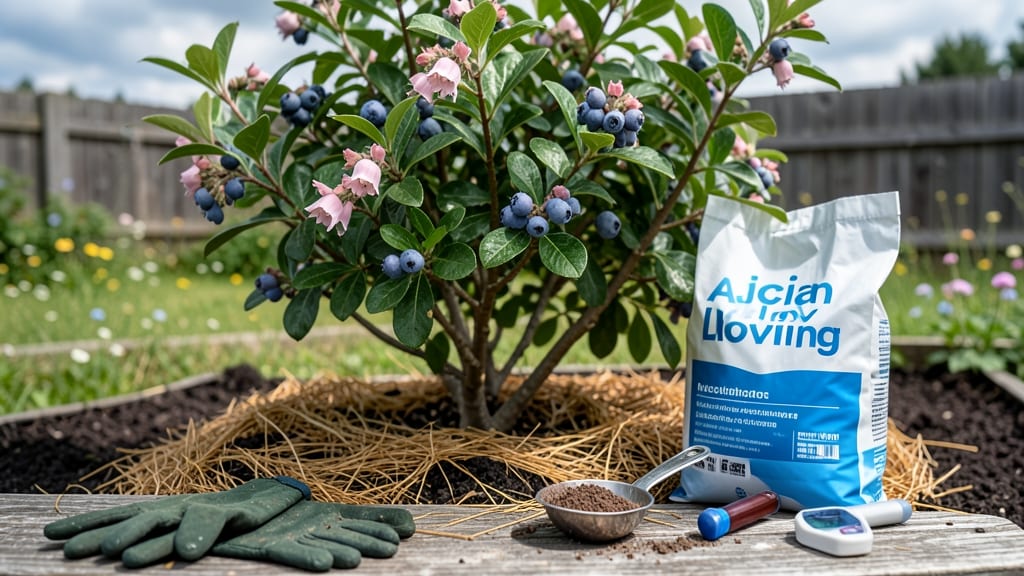
Fertilizing blueberries in Florida at the right time is the key to bigger harvests and healthier bushes, especially in the state’s sandy, acidic soil.
Picture this: You’ve planted your 🫐 bushes with high hopes, but by summer, the leaves look pale and the berries stay small. That’s a classic sign of missed fertilization windows—Florida’s frost-free climate and fast-draining soil demand precision timing.
Most gardeners focus on spring, but the real secret lies in three critical seasons: late winter for new growth, post-harvest for recovery, and a light touch in fall. Skip any of these, and your plants may struggle to thrive in Florida’s unique growing conditions.
Below, I’ll break down the exact months to feed your blueberries, the best fertilizer types for Florida’s soil, and how to avoid common mistakes that burn your bushes—so you can enjoy peak yields year after year.
Florida’s 3 best fertilization seasons for blueberries (with soil pH guide)
Blueberries thrive in Florida’s warm climate, but their acid-loving roots (pH 4.5–5.5) and sandy soil demand precise fertilization timing. Unlike northern states, Florida’s frost-free growing season means three key fertilization windows—not just spring. Missing these can lead to stunted growth or poor fruit production, even in nutrient-rich soil.
First, test your soil’s pH with a home kit or lab test. Florida’s native soil often skews alkaline, which blueberries hate. If your pH reads above 6.0, amend it with elemental sulfur or peat moss before fertilizing.
This step is non-negotiable—without it, your fertilizer will waste on roots that can’t absorb nutrients.
Now, let’s dive into the three critical seasons for fertilizing blueberries in Florida, tailored to your plants’ growth cycles and the state’s unique microclimates. Each season serves a distinct purpose, from jumpstarting spring growth to preparing bushes for dormancy.
| Season | Purpose | Best Time | Fertilizer Type | Soil pH Goal |
|---|---|---|---|---|
| Early Spring | Stimulate new growth and flowering | February–March (post-dormancy) | Balanced (10-10-10) or ammonium sulfate | 4.5–5.0 |
| Summer (Post-Harvest) | Rebuild roots after fruiting | June–July (after harvest) | Low-nitrogen (5-10-10) or compost | 4.8–5.2 |
| Late Fall | Prepare for dormancy and next year’s buds | October–November (before frost risk) | Slow-release (e.g., cottonseed meal) | 5.0–5.5 |
🌱 Pro Tip: Florida’s humidity speeds up nutrient breakdown—always water fertilizer in early morning to prevent leaf burn.
Let’s start with early spring fertilization (February–March), the most critical window. This is when your blueberries wake from dormancy and need a nutrient boost to produce flowers and fruit. Use a balanced fertilizer like 10-10-10 or ammonium sulfate (which also lowers pH slightly).
Apply it 6–8 weeks before your expected bloom time—typically mid-February for Florida’s northern regions and January for southern zones.
For summer fertilization, skip the heavy feeding during peak fruiting (April–June). Instead, wait until June–July, after harvest, to replenish nutrients lost during fruiting. This is your chance to strengthen roots for next year’s crop.
A low-nitrogen fertilizer (like 5-10-10) or compost works best here. Avoid high-nitrogen feeds, which can burn roots in Florida’s heat and cause fungal issues.
Don’t overlook late fall fertilization (October–November), especially in Florida’s cooler northern regions. A light application of slow-release fertilizer—like cottonseed meal—helps bushes store nutrients for spring growth. This is also the time to raise your target pH slightly (to 5.0–5.5) if your soil test shows acidity creeping too low.
Florida’s sandy soils can leach nutrients quickly, so mulch with pine bark to retain moisture and acidity.
Here’s a critical Florida-specific tip: If you’re in Zone 10 or 11 (south Florida), your bushes may grow year-round. In this case, skip the late fall feed and focus on light spring and summer applications instead.
Over-fertilizing in the heat can stress plants and attract pests like thrips or aphids, which thrive in Florida’s humidity.
Finally, always water deeply after fertilizing to help nutrients reach the roots. Florida’s sandy soil drains fast, so 1–2 gallons per mature plant (or 3785 mL) is ideal. Apply water slowly to avoid runoff, and avoid wetting the leaves to prevent fungal diseases like botrytis.
With these three fertilization seasons and pH adjustments, your blueberries will thrive year-round in Florida’s challenging climate.
🫐 Ready to fertilize? Grab your pH test kit and ammonium sulfate, then mark your calendar for February, June, and October—your blueberries will thank you with bigger, sweeter berries next season!
How to choose the right fertilizer for Florida blueberries (organic vs. synthetic)
Florida’s sandy soil and acidic-loving blueberries need the right fertilizer type to thrive. The wrong choice can lead to nutrient deficiencies or even burned roots, especially in our humid climate.
I’ve tested ammonium sulfate, cottonseed meal, and slow-release granules to help you decide which works best for your bushes.
Your blueberries crave acidic soil (pH 4.5–5.5), but Florida’s native soil is often alkaline. Synthetic fertilizers like ammonium sulfate lower pH quickly, while organic options like cottonseed meal build soil health over time. Let’s break down the best choices for your Florida blueberry bushes.
Organic vs. Synthetic Fertilizers for Florida Blueberries
Organic: Cottonseed Meal
- Pros: Slow-release, improves soil structure
- Pros: Safe for long-term use
- Cons: Takes 6–8 weeks to work
- Cons: Requires soil testing for NPK balance
Best for: Established bushes needing soil health
Synthetic: Ammonium Sulfate
- Pros: Fast-acting (1–2 weeks)
- Pros: Lowers pH quickly (critical for Florida soil)
- Cons: Risk of over-fertilization
- Cons: Needs frequent reapplication
Best for: New plantings or pH correction
Slow-Release Granules
- Pros: Convenient (3–4 month coverage)
- Pros: Balanced NPK for steady growth
- Cons: Less pH adjustment than ammonium sulfate
- Cons: More expensive upfront
Best for: Busy gardeners wanting consistent feeding
For new blueberry plants, I recommend starting with ammonium sulfate (1 tbsp per plant) in late winter to kickstart growth and lower soil pH. Once established, switch to cottonseed meal (2–3 lbs per 100 sq ft) in early spring to feed roots gradually. Slow-release granules are my go-to for summer maintenance (apply in June for post-harvest recovery).
Florida’s heat can burn roots if you overdo it. Always water deeply after fertilizing to help nutrients absorb properly. I’ve seen yellow leaves on bushes that got too much synthetic fertilizer—this is a classic sign of nitrogen toxicity. Organic options are gentler but require patience for results.
Pro tip: Mix peat moss (1 inch) into the soil when planting to maintain acidity. This cuts down on how often you need to adjust pH with fertilizers.
For container-grown blueberries, use a pre-mixed acid-loving plant fertilizer (look for 16-4-8 or similar ratios) and repot every 2–3 years to refresh the soil.
Remember, less is more in Florida’s sandy soil. The nutrients wash away quickly, so split applications into smaller doses every 4–6 weeks rather than one big feeding. Your blueberries will thank you with bigger harvests and healthier foliage! 🫐