
Fertilization
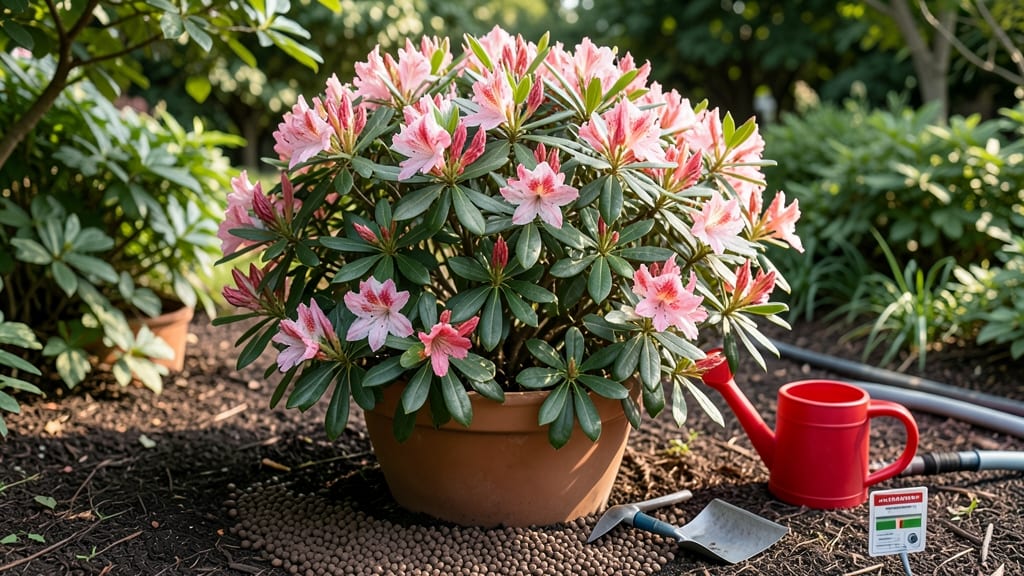
Fertilizing Encore azaleas 🌸 at the right time—early spring and late summer—is the key to those show-stopping blooms you’ve been dreaming of.
Struggling to get your Encore azaleas to burst with vibrant blooms year after year? Timing your fertilizer applications correctly is the secret weapon most gardeners overlook—and it could mean the difference between lackluster flowers and show-stopping displays.
In USDA Zones 6-9, the best approach is simple: feed lightly in early spring to kickstart growth, then again in late summer to prep for next year’s blooms. Skip fall and winter entirely—your plant will thank you with healthier roots and bigger flowers.
Below, I’ll walk you through the exact schedule, the right fertilizer types, and how to avoid common mistakes that leave your azaleas looking tired instead of thriving.
Optimal fertilization schedule for Encore azaleas: spring vs fall timing explained
If you've ever wondered why your Encore azaleas produce fewer blooms than expected, the answer likely lies in your fertilization timing. These stunning shrubs thrive on precise care, and feeding them at the wrong time can actually stress the plant or even delay flowering.
The key is understanding how their natural growth cycle aligns with seasonal fertilization needs. Unlike many plants, Encore azaleas respond best to a two-season feeding schedule—spring and summer—with a complete rest in fall and winter.
Most gardeners make the mistake of fertilizing in late fall, which encourages tender new growth that won't survive winter frosts. Instead, the science behind azalea fertilization shows that these plants need nutrients when they're actively growing—not when they're preparing for dormancy.
By aligning your feeding schedule with their bloom cycle, you'll encourage stronger root development, more abundant flowers, and overall healthier plants. Let's break down the optimal timing and why it matters so much.
| Season | Best Fertilization Time | Fertilizer Type | Purpose |
|---|---|---|---|
| Early Spring (March-April) | First feeding after dormancy | Slow-release 10-10-10 or acid-loving fertilizer | Stimulates new growth and bloom buds |
| Late Spring (May) | Second feeding before peak bloom | Balanced fertilizer (12-4-8) | Supports flower development |
| Summer (June-August) | Monthly light feedings | Low-nitrogen fertilizer (e.g., 8-3-9) | Maintains plant health post-bloom |
| Fall (September-November) | NO fertilization | None | Allows plant to harden off for winter |
| Winter (December-February) | NO fertilization | None | Dormant period; no nutrient uptake |
The early spring feeding (March-April) is critical because it kickstarts your Encore azalea's growth after its winter dormancy. This is when the plant begins forming next year's flower buds, so providing nutrients like phosphorus and potassium sets the stage for a spectacular bloom season.
I recommend using a slow-release fertilizer with a balanced NPK ratio (like 10-10-10) to avoid nutrient spikes that can burn roots. Apply it when you see new growth emerging—usually within a few weeks of the last frost in your zone.
Many gardeners mistakenly fertilize in late summer or fall, thinking it will help the plant prepare for winter. However, this approach can backfire spectacularly. New growth stimulated by fall fertilization is vulnerable to frost damage, and the plant won't have time to harden off properly.
The scientific reasoning behind this is simple: azaleas are evergreen shrubs that need to conserve energy for winter survival. Feeding them in fall disrupts this natural process and can lead to winter dieback.
For summer fertilization, the goal shifts from bloom production to maintaining overall plant health. After your Encore azaleas finish flowering (typically in late spring), they enter a recovery phase where they need nutrients to rebuild energy reserves.
I suggest switching to a lower-nitrogen fertilizer (like 8-3-9) to avoid promoting leafy growth at the expense of flowers. Apply this every 4-6 weeks throughout the summer, always watering thoroughly after application to prevent root burn.
One common question I hear is whether organic fertilizers work better for Encore azaleas. The answer depends on your soil conditions. Organic options like composted pine bark or fish emulsion are excellent for improving soil acidity (which azaleas love), but they release nutrients more slowly.
If your soil is already acidic (pH 4.5-6.0), you can use organic fertilizers year-round. However, if you're unsure about your soil pH, a synthetic acid-loving fertilizer gives you more precise control over nutrient delivery.
Pro tip: Always test your soil before fertilizing. A simple home pH test kit (around $10) will tell you if your Encore azaleas need additional acidification. If your soil pH is too high (above 6.0), you'll need to amend it with sulfur or peat moss before applying fertilizer.
This step is often overlooked but makes a huge difference in how well your plants respond to feeding.
Remember that over-fertilizing is just as damaging as under-fertilizing. Encore azaleas are sensitive to salt buildup from excess nutrients, which can cause leaf scorch or even plant death. Always follow the package instructions for dosage, and consider half-strength applications if your plants are young or newly transplanted.
When in doubt, it's better to under-fertilize than to risk burning those beautiful blooms.
By following this seasonal fertilization schedule, you'll give your Encore azaleas the best chance to thrive. The key takeaway is timing: feed them when they're growing, rest them when they're dormant, and always prioritize soil health.
With this approach, you'll enjoy vibrant blooms year after year without the guesswork. Happy gardening! 🌸
Step-by-step guide to fertilizing Encore azaleas without burning roots
Fertilizing your Encore azaleas correctly is key to avoiding fertilizer burn while promoting lush blooms. These shrubs thrive on a balanced approach, but timing and technique matter more than most gardeners realize.
I’ve learned the hard way that over-fertilizing can scorch roots, while under-fertilizing leads to weak growth. Let’s break down the proper steps to feed your azaleas without harming them.
Before applying any fertilizer, check your soil pH—Encore azaleas need acidic soil (pH 4.5-6.0). If your soil is too alkaline, roots can’t absorb nutrients efficiently. Test your soil with a home pH kit or send a sample to your local extension office.
If adjustments are needed, add sulfur or peat moss to lower pH gradually. Healthy soil sets the stage for successful fertilization.
How to Fertilize Encore Azaleas Safely
-
Step 1: Choose the Right Fertilizer
Opt for an acid-loving fertilizer like a 10-10-10 or 12-4-8 blend or organic options such as fish emulsion or composted pine needles. Avoid high-nitrogen fertilizers designed for lawns—they can harm azaleas.
-
Step 2: Apply in Early Spring or Late Summer
Fertilize early spring (March-April) to encourage new growth or late summer (August-September) to replenish nutrients after blooming. Never fertilize in fall or winter—this can stimulate tender growth before frost.
-
Step 3: Measure Precisely
Use 1 tablespoon of granular fertilizer per plant (or follow label instructions for liquids). For potted azaleas, halve the dose. Over-application is the #1 cause of root burn, so err on the side of caution.
-
Step 4: Spread Evenly and Water In
Scatter fertilizer 2-3 inches away from the base (not on the trunk) and lightly scratch it into the topsoil. Water deeply to help nutrients reach the roots. Avoid wetting the foliage to prevent leaf burn.
-
Step 5: Monitor for Signs of Stress
Watch for yellowing leaves or crispy edges—these are red flags for over-fertilization. If you see these signs, flush the soil with water to dilute excess salts and reduce fertilizer for the next application.
Reading fertilizer labels can be confusing, but focus on the NPK ratio (Nitrogen-Phosphorus-Potassium). Azaleas prefer a balanced or slightly higher phosphorus ratio (like 10-10-10) to support root and bloom development.
Organic fertilizers like composted manure or bone meal are also great choices—they release nutrients slowly, reducing burn risk. Always water after applying to activate the fertilizer and protect roots.
One mistake I’ve seen gardeners make is fertilizing newly planted azaleas. Wait until the plant has established roots—usually 6-8 weeks after transplanting—before introducing fertilizer. Young plants are more vulnerable to nutrient shock, so patience pays off.
Mulch with pine bark or pine needles to maintain soil acidity and retain moisture, which helps the plant absorb nutrients efficiently.
For potted Encore azaleas, follow the same steps but adjust the fertilizer amount—potted plants have limited root space, so less is more. Use a slow-release fertilizer or liquid feed diluted to half-strength every 6-8 weeks during the growing season.
Always ensure pots have drainage holes to prevent root rot from overwatering or excess salts.
With the right timing, soil prep, and careful application, your Encore azaleas will reward you with vibrant blooms year after year. Remember: less is more when it comes to fertilizing these finicky beauties. Happy gardening! 🌸