
Trees
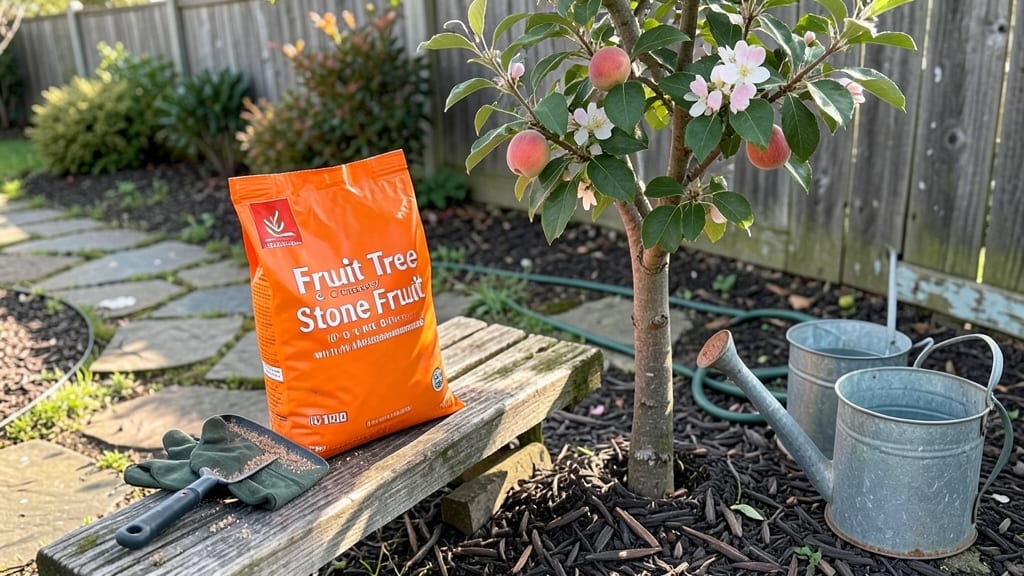
To fertilize nectarine trees at the right time means the difference between a bounty of sweet 🍑 fruit and a tree that struggles to thrive.
Picture this: You’ve just planted your nectarine tree, eager for that first harvest, only to watch it grow weak, produce sparse fruit, or even decline. The culprit?
Fertilizing at the wrong time—or not at all. Timing isn’t just about when you apply fertilizer; it’s about how your tree’s growth cycle syncs with nutrient needs.
Most gardeners focus on spring feeding, but the real secret lies in a two-season approach—early spring to kickstart growth and late summer to prep for next year’s fruit. Skip the fall, and you risk overstimulating new growth before winter.
Too much nitrogen in summer? You’ll get lush leaves but no fruit. Get the schedule wrong, and you’re essentially starving your tree when it needs fuel most.
Below, I’ll break down the exact spring and fall windows for fertilizing, what type of fertilizer to use (and what to avoid), and how to read your tree’s signals for when it’s truly hungry. No guesswork—just science-backed steps to ensure your nectarine tree bursts with flavor year after year.
Best times to fertilize nectarine trees for optimal fruit growth
Nectarine trees thrive when fertilized at the right times—timing matters more than the type of fertilizer you use. Early spring and late fall are the two critical windows for feeding your tree.
These periods align with natural growth cycles, ensuring your tree gets nutrients when it needs them most to produce sweet, abundant fruit. Skipping these windows can lead to poor blossoms, stunted growth, or even tree stress.
Most gardeners make the mistake of fertilizing during summer or winter, which can harm your tree. Summer feeding encourages late-season growth that won’t harden off before frost, while winter fertilization disrupts dormancy.
Instead, focus on pre-bloom in spring and post-harvest in fall to support both current and next year’s fruit production.
For early spring fertilization, aim to feed your nectarine tree 4-6 weeks before blooms appear. This timing ensures the tree has enough nitrogen to support leaf and branch growth while preparing for fruit production. Use a balanced fertilizer (10-10-10) or one slightly higher in nitrogen, like 12-6-6.
Spread the fertilizer evenly in a circle around the drip line (the outer edge of the tree’s canopy) and water it in thoroughly.
In late fall, after your nectarines are harvested, switch to a fertilizer with higher phosphorus and potassium, like 6-12-12. This helps strengthen roots and encourages the formation of next year’s fruit buds.
Apply this fertilizer about 6-8 weeks before your area’s first frost. Avoid fertilizing too late in the season, as new growth won’t have time to harden off before winter.
Before fertilizing, always test your soil to check pH and nutrient levels. Nectarine trees prefer a slightly acidic soil (pH 6.0-7.0). If your soil is too alkaline or deficient in key nutrients, amend it with compost or sulfur before applying fertilizer.
A simple soil test kit from your local garden center can save you from over- or under-fertilizing.
Young nectarine trees (under 3 years old) need less fertilizer than mature trees. Use about half a cup of balanced fertilizer for young trees, while mature trees can handle up to 1 cup.
Always follow the manufacturer’s instructions for application rates, as over-fertilizing can burn roots and harm your tree. Water the tree deeply after applying fertilizer to help nutrients penetrate the soil.
If you miss the spring fertilization window, don’t panic. You can still feed your tree in early summer, but use a lower-nitrogen fertilizer to avoid encouraging late-season growth.
The goal is to support the tree without disrupting its natural cycle. Always prioritize consistency over quantity—regular, moderate feeding yields better results than sporadic heavy doses.
Remember, nectarine trees are heavy feeders but respond best to a gradual nutrient supply. By sticking to the spring and fall schedule, you’ll ensure your tree stays healthy, produces abundant fruit, and thrives for years to come. Happy gardening!
Spring vs. fall fertilization: what your nectarine tree needs each season
Your nectarine tree thrives when you match its nutrient needs to its natural growth cycles. In spring, focus on nitrogen-rich fertilizers to fuel rapid foliage growth and blossom development. This is when your tree transitions from dormancy and needs energy to produce next year’s fruit buds.
Skip heavy fertilizing during summer—your tree is busy fruiting, not growing new leaves.
Fall fertilization, however, shifts focus to phosphorus and potassium to strengthen roots and prepare for winter. These nutrients help your tree store energy for early spring growth and improve fruit quality in the following season.
Applying the wrong nutrients at the wrong time can lead to poor blossoms, stunted growth, or even nutrient burn.
Spring Fertilization
Pros
- Boosts leafy growth and blossom formation
- Encourages early fruit set for summer harvest
- Supports root development in young trees
Cons
- Over-fertilizing can cause leaf burn or excessive vegetative growth
- Requires balanced NPK ratios (e.g., 10-10-10)
- Must be applied before bloom (not during)
Fall Fertilization
Pros
- Strengthens root systems for winter
- Enhances fruit bud formation for next year
- Improves disease resistance in mature trees
Cons
- Late applications can delay dormancy
- Requires low-nitrogen fertilizer (e.g., 5-10-10)
- Must be done 6+ weeks before first frost
In spring, use a balanced fertilizer (like 10-10-10) when you see new leaves emerging, typically in late March or April. For young trees, apply ½ cup of granules around the drip line, keeping it 6 inches from the trunk.
Mature trees need 1 cup, spread evenly in a 12-inch-wide band.
Watch for yellowing leaves or slow growth—signs your tree needs more nitrogen. If you see poor blossoms or small fruit, it may lack phosphorus. Correct this by switching to a 5-10-10 fertilizer in early spring and reapplying in fall.
For fall fertilization, switch to a low-nitrogen, high-phosphorus/potassium blend (e.g., 5-10-10 or 6-12-12) in October. This helps your tree store energy for next season’s growth. Avoid fertilizing after October 15 in most USDA Zone 6a areas, as it can stimulate late-season growth vulnerable to frost damage.
Pro tip: Test your soil in early spring to check pH and nutrient levels. Nectarines prefer slightly acidic soil (pH 6.0–7.0). If your soil is too alkaline, add sulfur or peat moss to improve nutrient uptake. Mulch with compost after fertilizing to retain moisture and regulate soil temperature.
By aligning your fertilization schedule with your nectarine’s growth cycle, you’ll see healthier foliage, better blossoms, and sweeter fruit year after year. 🍑