
Lawn
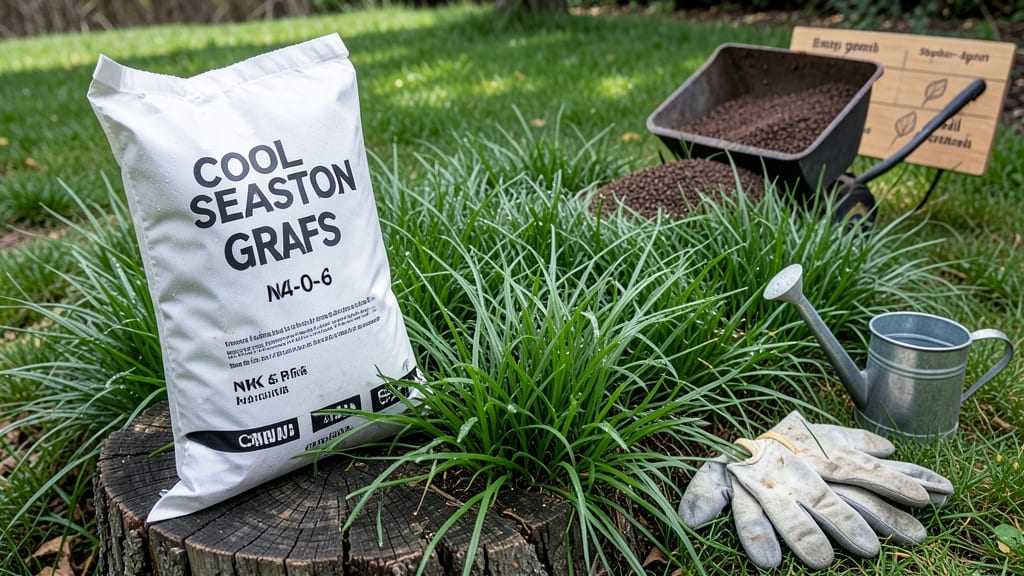
To fertilize your Wisconsin lawn at the right time means feeding it in early spring and late summer—when cool-season grasses like Kentucky bluegrass and fescue are actively growing but before extreme heat or frost sets in.
Wisconsin’s unpredictable climate—from harsh winters to humid summers—can leave your lawn struggling to thrive. Timing your lawn fertilization perfectly is the key to a lush, green yard, but when exactly should you apply fertilizer in Wisconsin to avoid wasting money or harming your grass?
The answer depends on your USDA zone (4a-5b) and whether you’re in northern or southern Wisconsin, where frost dates and growing seasons shift by weeks.
Most lawns in Wisconsin need three to four feedings per year, with the most critical applications in April-May (after the last frost) and September-October (before the first frost).
Pre-emergent herbicides, if used, should go down in late April to early May, while post-emergent treatments fit into your regular fertilization schedule. Skipping these windows can leave your grass weak, yellow, or prone to weeds.
In this guide, I’ll break down the exact months to fertilize based on your region, how to choose the right fertilizer (organic vs. synthetic), and how to adjust your schedule for Wisconsin’s variable weather—so you can grow a lawn that stays green year-round without overdoing it.
Optimal Wisconsin lawn fertilization schedule by season (spring & fall focus)
Wisconsin’s cool-season climate demands precise timing for lawn fertilization. The best months to fertilize are April-May (spring) and September-October (fall), when your lawn needs nutrients most. These periods align with grass growth cycles and help your Kentucky bluegrass or fescue thrive despite Wisconsin’s variable weather.
Southern Wisconsin’s warmer microclimate allows for slightly earlier fertilization (late March to early April), while northern regions should wait until mid-April when soil temperatures consistently reach 50°F (10°C).
This delay prevents fertilizer burn in colder soils. The key is matching your schedule to soil warmth, not just calendar dates.
Spring fertilization kickstarts root and shoot growth after winter dormancy, while fall applications strengthen roots before frost. Skipping either can leave your lawn weak—especially in Wisconsin’s humid summers and freezing winters. Let’s break down the exact timing and triggers for each season.
For spring fertilization, aim for late April to early May—right after the last frost (typically mid-April in southern WI to early May in the north).
Use a high-nitrogen fertilizer (24-0-5) to encourage rapid green-up. In northern Wisconsin, delay until soil reaches 50°F (10°C) at 4-inch depth to prevent burn.
Pre-emergent herbicides should be applied in early spring (March-April) if you’re battling crabgrass, but wait until after your cool-season grass has germinated. Southern Wisconsin can apply pre-emergent as early as late March, while northern areas should wait until mid-April to avoid harming new grass shoots.
Fall fertilization is equally critical—apply late summer to early fall (August-September) to build root reserves before winter. In southern Wisconsin, September is ideal, while northern regions should fertilize by mid-August to allow roots to harden before early frosts. Use a slow-release fertilizer to feed grass gradually as temperatures drop.
Wisconsin’s clay-heavy soils in many areas can slow nutrient absorption, so always water thoroughly after fertilizing (1 inch of water). In sandy soils (common in northern WI), fertilize more frequently but with half the recommended rate to prevent runoff.
Test your soil’s pH (ideal: 6.0–7.0)—acidic soils may need lime before fertilizing.
Adjust your schedule if Wisconsin’s weather throws curveballs. After a late frost (common in May), wait 2–3 weeks before fertilizing. If summer drought hits, reduce nitrogen to avoid stressing your lawn. Always check the 7-day forecast—apply fertilizer 48 hours before rain to ensure absorption.
My pro tip: Split your spring fertilizer into two applications—half in April and half in May. This prevents overfeeding and matches your grass’s growth spikes.
For fall, a single late-September application is perfect before the first frost hits (usually mid-October in southern WI to early October in the north).
By following this schedule, your Wisconsin lawn will stay lush, resilient, and ready to handle the state’s unpredictable seasons. Remember: timing beats quantity—a well-timed feed beats over-fertilizing any day. 🌱
How to choose the right fertilizer type for Wisconsin lawns (N-P-K ratios & organic options)
Choosing the right fertilizer type for your Wisconsin lawn depends on your grass type, soil conditions, and climate challenges. Wisconsin’s clay-heavy soils and acidic conditions in many regions require careful selection to avoid nutrient runoff or over-fertilization.
Let’s break down the options—from N-P-K ratios to organic vs. synthetic—to help you make the best choice for your yard.
Cool-season grasses like Kentucky bluegrass and fescue, common in Wisconsin, thrive with a higher nitrogen (N) content (24-0-5 ratio) to support lush growth. However, phosphorus (P) and potassium (K) play critical roles in root development and disease resistance.
For clay soils, a slow-release fertilizer prevents nutrient buildup, while sandy soils benefit from quick-release options to avoid leaching.
Slow-release fertilizers are ideal for Wisconsin lawns because they provide steady nutrients over time, reducing the risk of burning grass during hot summers or after heavy rains. Organic options like composted manure or fish emulsion improve soil health long-term, while synthetic fertilizers offer precise N-P-K control. Always test your soil first—Wisconsin’s acidic soils (pH 4.8-5.5) may need lime or sulfur adjustments before fertilizing.
Slow-Release vs. Quick-Release Fertilizers for Wisconsin Lawns
Slow-Release Fertilizers
- ✅ Steady nutrients over 3-6 months
- ✅ Reduces burning risk in clay soils
- ✅ Cost-effective for long-term use
Quick-Release Fertilizers
- ⚠️ Fast results but short-lived
- ⚠️ Higher burn risk in sandy soils
- ⚠️ Requires frequent reapplication
Organic Options
- ✅ Improves soil structure over time
- ✅ Safe for pets/kids once absorbed
- ✅ Supports microbes in clay soils
Synthetic Options
- ⚠️ Precise N-P-K control for quick fixes
- ⚠️ Risk of runoff in heavy rains
- ⚠️ May require soil tests for pH balance
For micronutrient deficiencies, Wisconsin lawns often lack iron (causing yellowing) or manganese (leading to brown patches). Supplement with chelated micronutrients in early spring or late summer. If your soil test reveals acidity issues, pair fertilizer with pelletized lime to raise pH before applying nutrients.
Always follow the 1 lb nitrogen per 1,000 sq ft guideline to avoid over-fertilization.
In northern Wisconsin, where growing seasons are shorter, prioritize slow-release organic fertilizers like alfalfa meal or bone meal to extend nutrient availability. Southern Wisconsin’s warmer climate may benefit from a synthetic 24-0-5 blend in spring, followed by a low-nitrogen summer feed (10-0-10) to prevent excessive growth before frost.
Remember: Timing matters. Apply fertilizers in early morning or evening to avoid midday heat stress, and always water deeply afterward to activate nutrients. For clay soils, aerate before fertilizing to improve absorption, while sandy soils may need a pre-watering to prevent leaching.
Your Wisconsin lawn’s health depends on matching the fertilizer type to its unique needs—whether it’s clay’s water retention, sandy’s drainage, or acidity’s pH challenges. Start with a soil test, then choose wisely for a lush, resilient lawn all season long. 🌱